Wedding Floral Decorations: 25+ Ideas With Photos
More than 25 floral ideas across the ceremony, reception and wedding party, organised by area and budget so the whole day feels like one scheme.
Flowers are the quickest way to turn a bare room into a wedding. They colour every photograph, scent the air, and carry meaning that guests feel before they can name it. The trick is that beautiful floral decoration is not about buying more flowers; it is about placing the right ones where they do the most work. This guide gathers more than twenty-five floral ideas, organised by where they sit in the day and by what they cost, so you can build a scheme that feels lavish and considered on any budget. Treat it as a menu: choose one clear look and repeat it, and let the flowers tie the whole day together.
The short version
- Place flowers where eyes land. The aisle, the ceremony backdrop, the top table and the entrance repay every stem; the corners rarely do.
- One palette, repeated. A single colour story from bouquet to centrepiece reads as designed; a different idea in every room reads as busy.
- Greenery is the budget hero. Foliage garlands and potted plants deliver lush, generous coverage for a fraction of the price of blooms.
- Season is your friend. Flowers in season are cheaper, fresher and hardier, and a good florist will steer you to them.
How wedding flowers actually work
Before the ideas, it helps to see floral decoration as a system rather than a shopping list. Good floral design balances a few principles, colour, scale, texture and repetition, across the whole day so that the ceremony, the tables and the personal flowers all clearly belong together. When those pieces share a palette and a style, even a modest amount of flowers looks intentional and rich. When they do not, even an expensive scheme can look scattered.
The other useful idea is placement. Flowers are wasted in the corners nobody photographs and priceless where everyone looks: the point where you say your vows, the aisle you walk, the table you sit at, the door guests enter through. Spend your floral budget on those high-attention zones and simplify the rest with greenery and candlelight, and the whole day will feel generously flowered without a generous bill.
Ceremony flowers that frame the moment
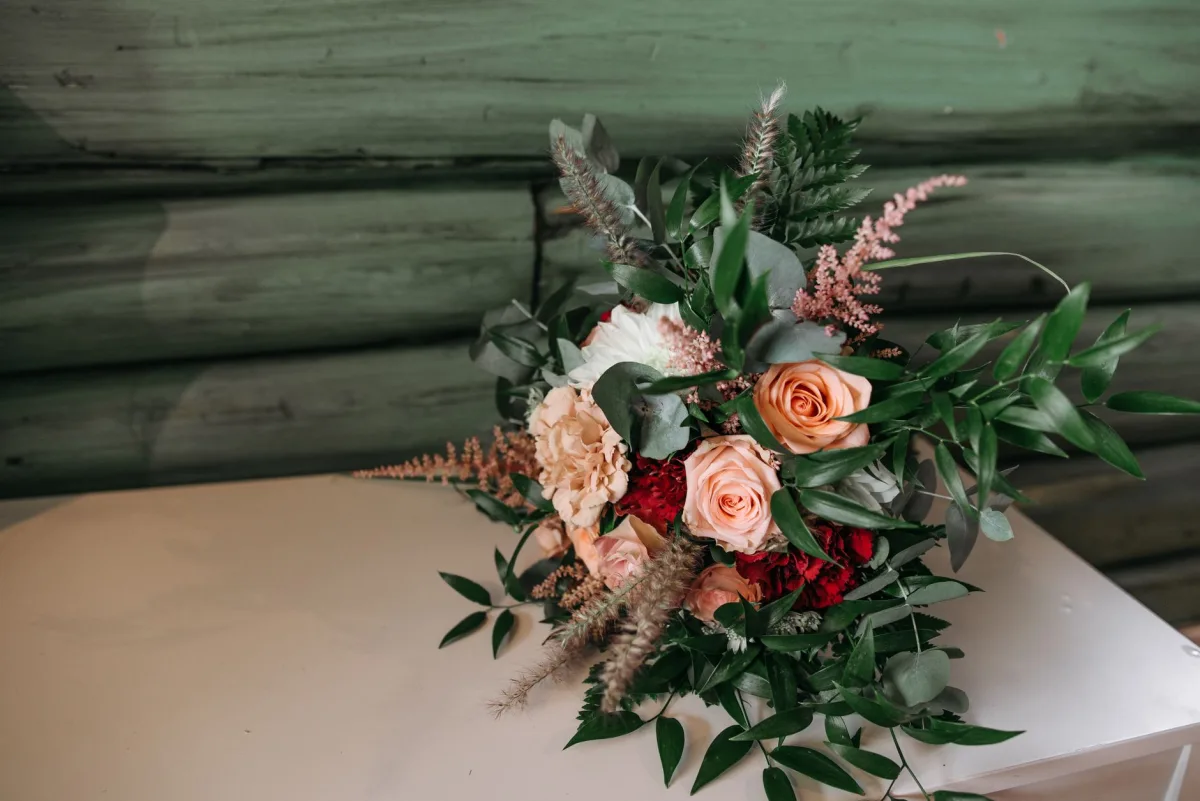
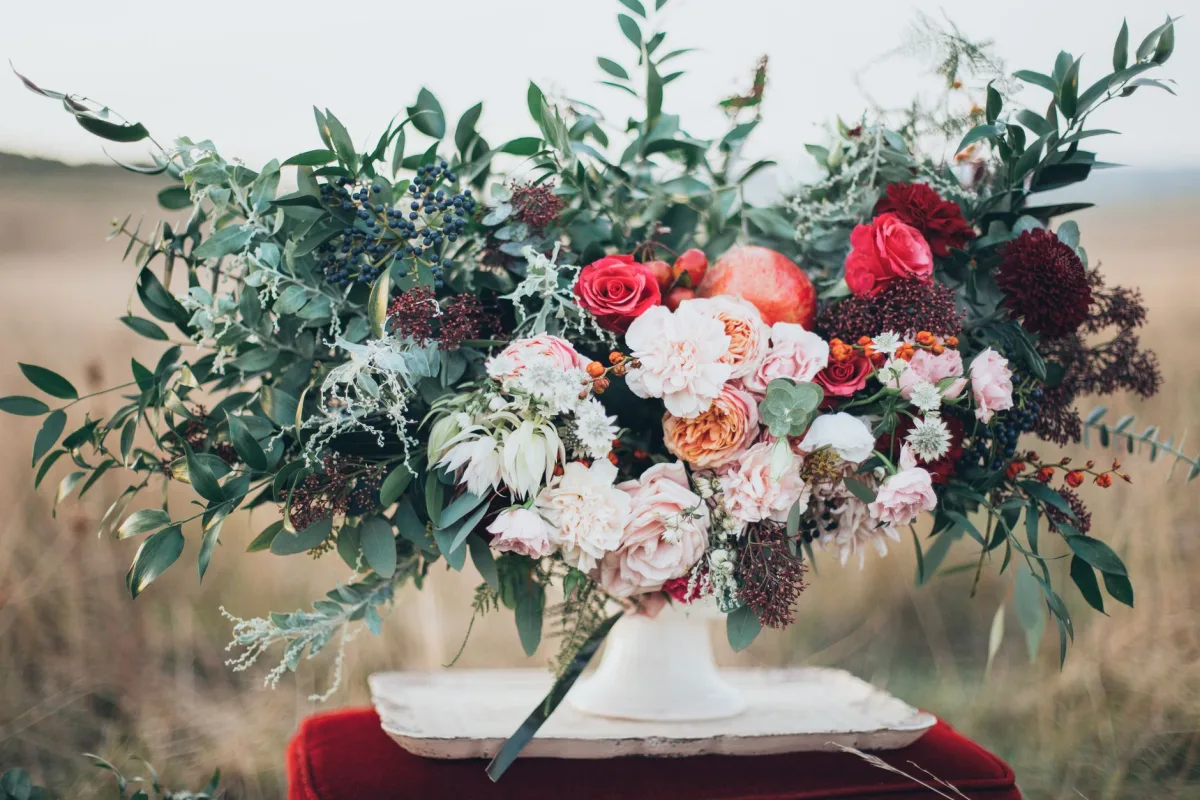
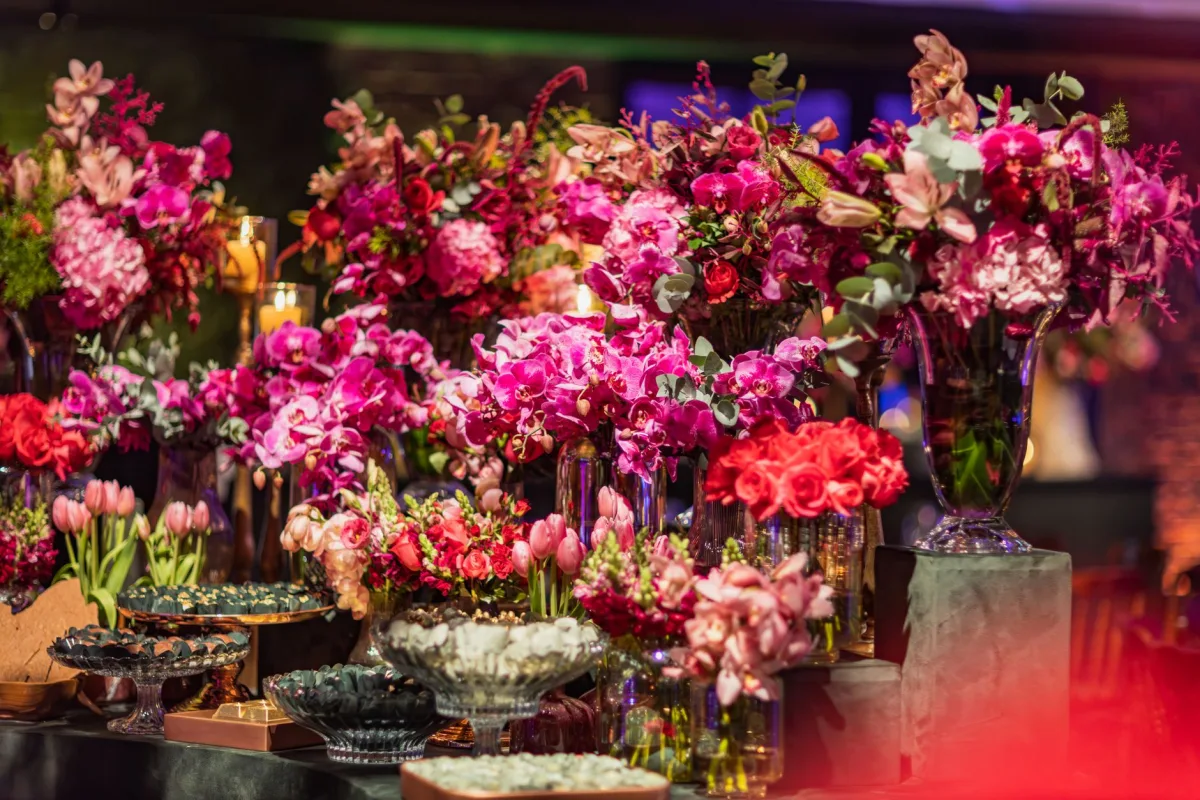
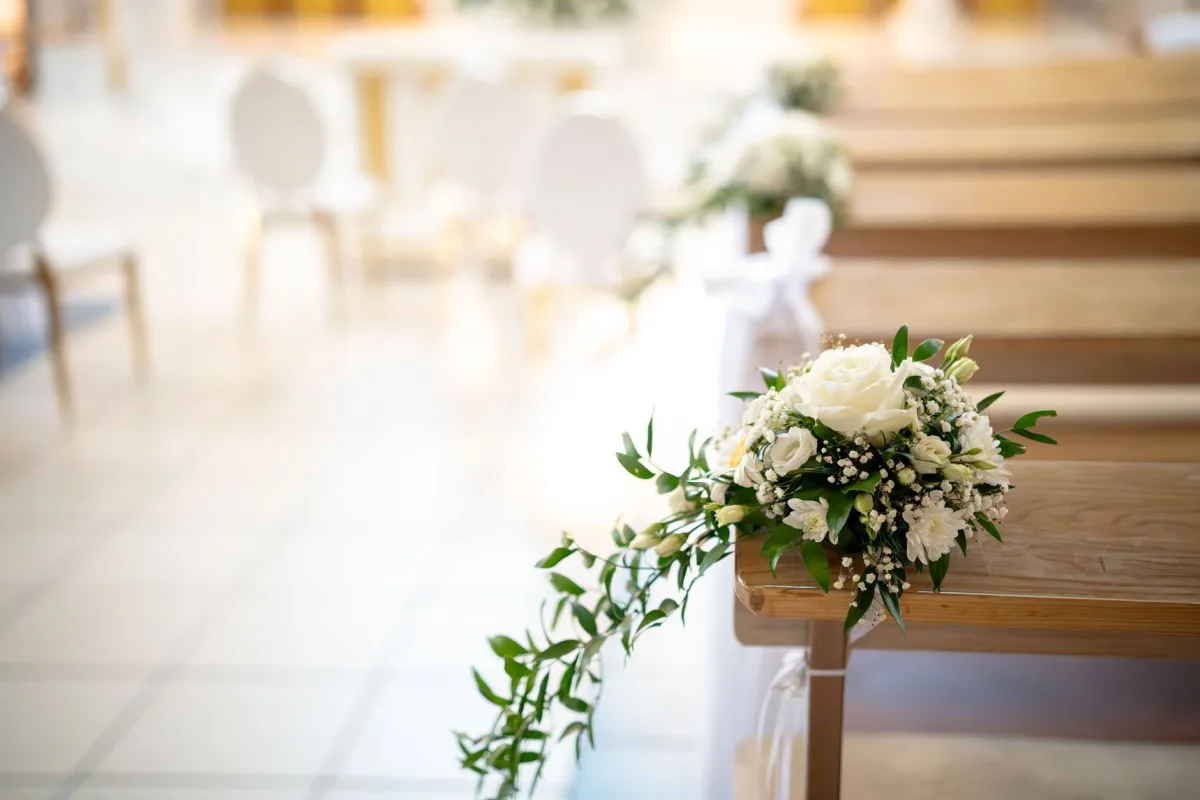
The ceremony is where every eye is fixed for the most emotional minutes of the day, so a little floral effort here goes a very long way in both the room and the photographs.
- A floral arch or arbour. The classic backdrop, framing the couple and giving the ceremony photos a natural focal point. Asymmetric corner arrangements are a modern, cheaper alternative to a full arch.
- Aisle markers. Small posies, jars or lanterns with blooms tied to the end of every second row, drawing the eye toward the front.
- A petal aisle. Scattered petals down the walkway for softness and colour underfoot, lovely in photographs from above.
- Statement urns. A pair of tall arrangements flanking the ceremony point, grand and reusable at the reception afterward.
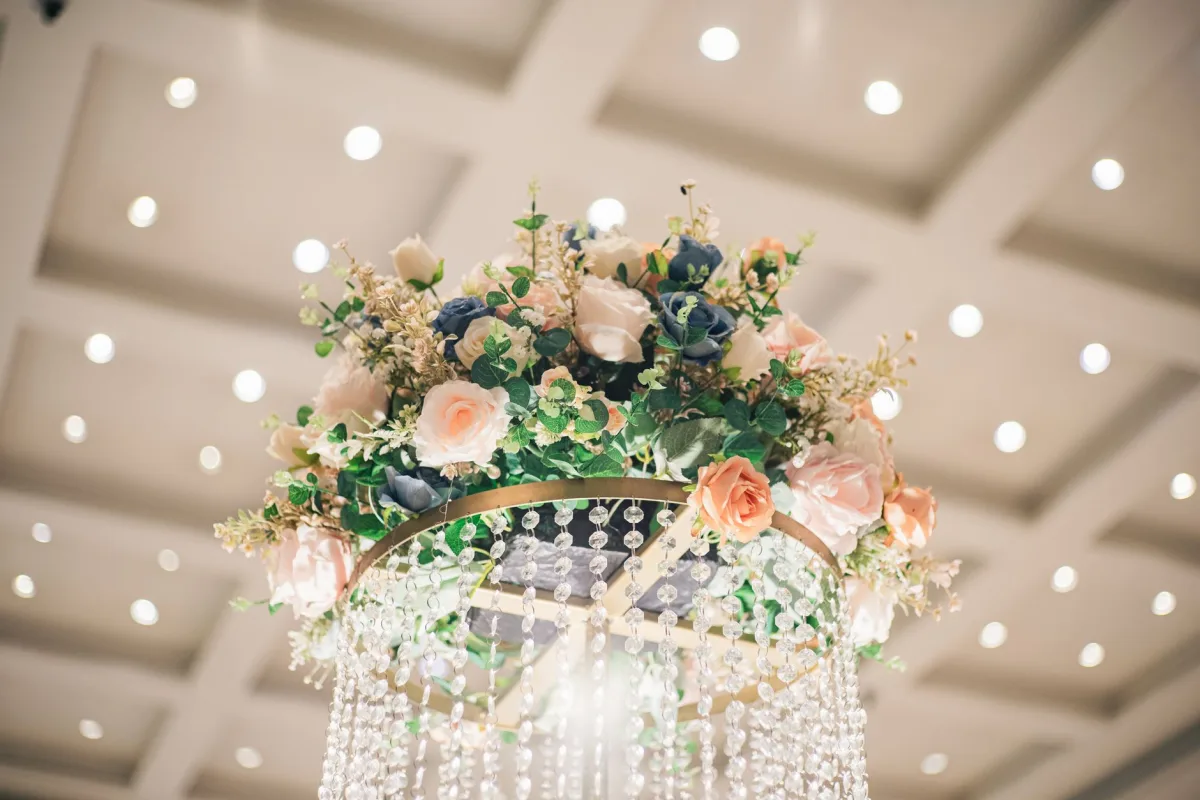
- Hanging installations. Suspended blooms or greenery above the couple for a dramatic, ceiling-height moment.
Many of these can travel. A pair of urns or an arch built at the ceremony can be moved to frame the top table or entrance at the reception, so you pay once and decorate twice. Our dedicated guide to the wedding arch goes deeper on styles and building one, if the backdrop is your priority.
Reception and table flowers
The reception is where guests spend the most time, so flowers here work hardest across the longest stretch of the day. The centrepiece is the anchor, but the surrounding touches matter just as much.
- Tall statement centrepieces. Raised arrangements on every other table add height and drama without blocking conversation across the table.
- Low garden clusters. Loose, low bowls of seasonal blooms that let guests see and talk over them.
- Foliage runners. A trailing garland of eucalyptus or ivy down the centre of a long table, dotted with candles, lush for very little.
- Bud-vase lines. A row of single stems in small vases, effortless, modern and easy to scale.
- Floral top-table backdrop. Concentrating the biggest arrangement behind the couple, where every reception photograph is taken.
- Cake flowers. A few fresh, food-safe blooms lifting a simple cake at a fraction of the cost of intricate icing.
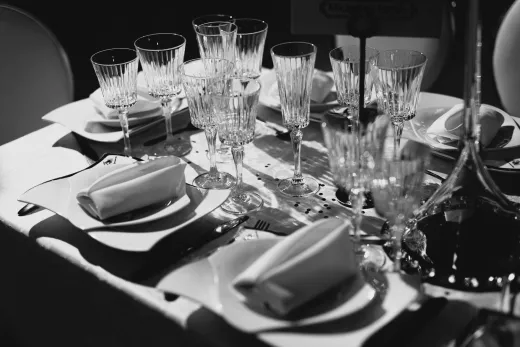
Since the table is such a big part of the scheme, it is worth planning it alongside everything else. Our focused guide to wedding table decorations covers linen, place settings and height in detail, and pairs naturally with the floral choices here.
Personal flowers for the wedding party
Personal flowers are small but photographed constantly, and they are where the palette becomes portable, moving through the day on the people at its centre.
The bridal bouquet
The most photographed flowers of all. A flower bouquet sets the colour story for everything else, so design it first and echo it outward.
Bridesmaid posies
Smaller versions of the main bouquet, or a single-bloom stem each, tying the party into the scheme without competing with it.
Buttonholes
A boutonniere for the partners, fathers and key roles, usually a single bloom that nods to the bouquet.
Flower crowns and hair
Fresh blooms in the hair or a crown for a soft, garden feel, lovely for younger attendants and relaxed weddings.
Flowers on a budget
Gorgeous floral decoration does not require a huge spend, it requires good choices. The cheapest high-impact moves are greenery, candlelight and clever placement. A garland of foliage costs a fraction of a table of premium blooms and looks abundant; potted plants can be arranged, enjoyed and even planted afterward; and concentrating flowers where they are seen most stretches a small budget a long way.
- Go big on greenery. Eucalyptus, ivy and ferns fill space beautifully for far less than flowers.
- Choose seasonal and local. In-season blooms are cheaper, fresher and hardier through a long day.
- Repurpose arrangements. Move ceremony flowers to the reception so each piece works twice.
- Mix in candles. Grouped candles add the warmth and glow people read as luxury, at almost no cost.
- Focus the spend. A generous top table and entrance, simple greenery elsewhere, reads as lavish for less.
The single most valuable budget move, though, is briefing a good florist honestly. Tell them your total, your palette and your must-haves, and let them suggest seasonal swaps and clever reuses. Our guide to choosing a wedding florist covers how to have that conversation, and the companion piece on wedding floral arrangements goes deeper on the arrangements themselves.
Colour, season and meaning
Flowers carry associations, and leaning into them makes a scheme feel intentional. White and green read fresh and classic; blush and cream read soft and romantic; deep reds, gold and jewel tones read rich and celebratory, and lead across many South Asian and Middle Eastern weddings. There is no wrong palette, only the one that matches your venue, your season and your story.
Season shapes both cost and character. Spring brings blossom and bulbs, summer peaks with roses and peonies, autumn turns to dahlias and warm tones, and winter leans on evergreens, berries and candlelight. Working with the season rather than against it gives you flowers that are cheaper, hardier and truer to the time of year. To carry your floral palette out into the wider room, our roundup of wedding decoration ideas extends the same colour thinking beyond the flowers, and Matrimony360 keeps guides across every part of the look so the whole day feels like one idea.
Frequently asked questions
How much should I spend on wedding flowers?
It varies widely by scheme, season and scale, so treat any figure as a broad range rather than a quote. Flowers commonly take up a meaningful slice of a wedding budget, but you control that slice through choices: greenery, seasonal blooms, clever placement and reusing arrangements all cut the cost without cutting the impact. Decide a total first, then design within it with your florist.
What is the cheapest way to decorate a wedding with flowers?
Lean on greenery, candlelight and placement. Foliage garlands and potted plants fill space lushly for far less than premium blooms, grouped candles add the glow people read as luxury, and concentrating real flowers on the top table and entrance makes the whole room feel flowered. Choosing seasonal, local flowers and reusing ceremony arrangements at the reception stretches the budget further still.
Where should I focus my wedding flowers?
Put flowers where every eye lands: the ceremony backdrop or arch, the aisle, the top table and the entrance guests walk through. These high-attention zones repay every stem in the room and in the photographs. Corners and passageways rarely do, so simplify them with greenery and candles and pour the floral budget into the places people actually look.
Should all my flowers match?
They should share a palette and a style rather than be identical. A single colour story running from the bouquet through the buttonholes to the centrepieces reads as designed and rich, even on a modest budget. You can vary the scale, tall centrepieces on some tables, low on others, as long as the colours and flowers clearly belong to one coherent scheme throughout the day.
How far in advance should I book wedding flowers?
Book your florist once your venue and date are set, typically six to nine months ahead, and earlier for peak dates when good florists fill up fast. That lead time lets you reserve seasonal blooms and any hired vessels, and leaves room for a consultation and, if you want one, a mock-up of a centrepiece so you can adjust the look before the day.