Wedding Decorations: 25+ Ideas With Photos
Build a scheme by palette, area, style and season, with flower, lighting and budget ideas that hang together.
Wedding decorations are the difference between a room and a world. The right choices tell your guests what kind of day this is before a single word is spoken, whether it is candlelit and romantic, bright and joyful, or rich with the colours of your heritage. This guide takes the whole subject in one pass, organised by area, style and season, so instead of chasing individual ideas you build a scheme that hangs together. Use it as a menu, not a checklist, and pick the pieces that look like you.
The short version
- Pick a palette first. Two or three colours plus a metallic accent make every later choice easier and keep the day coherent.
- Decorate by area. Ceremony, entrance, tables and dance floor each need a plan; not every surface needs dressing.
- Flowers and light do the most work. They set the mood faster and cheaper than anything else you can buy.
- Let the season lead. In-season blooms and seasonal textures cost less and always look right.
Start with a palette and a mood
Before you buy a single candle, decide on a colour palette and a mood, because every other decoration decision flows from those two. A palette of two or three main colours plus one metallic accent, gold, silver, copper or rose, is enough to give a whole wedding coherence without limiting you. The mood is the feeling you want in the room: romantic and soft, modern and minimal, lush and maximalist, or rooted in a cultural tradition with its own established colours and symbols.
Pin the palette to something real: the bridesmaid dresses, a favourite flower, the venue's existing tones, or a fabric you love. Then hold every later choice against it. This single discipline is what separates a wedding that looks designed from one that looks like a pile of nice things bought separately. Once the palette and mood are set, decorating becomes a series of small, easy decisions rather than one overwhelming one.
Decorate area by area
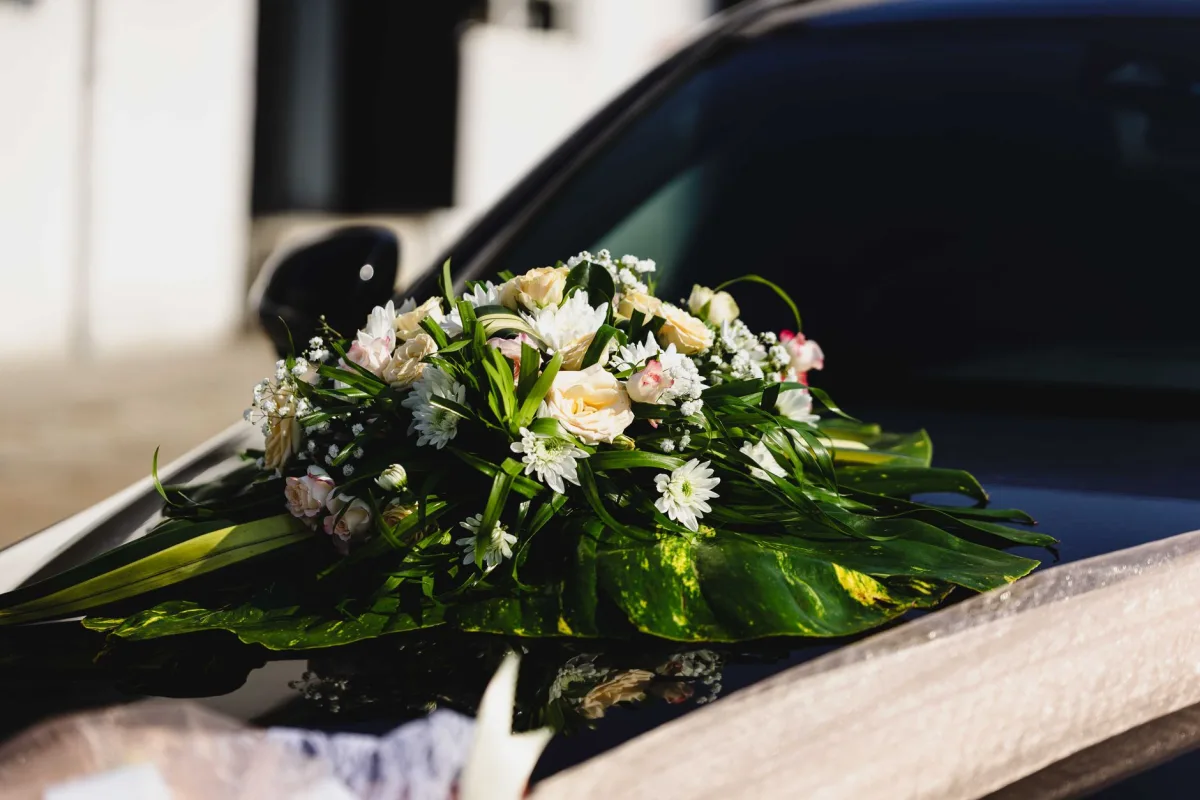
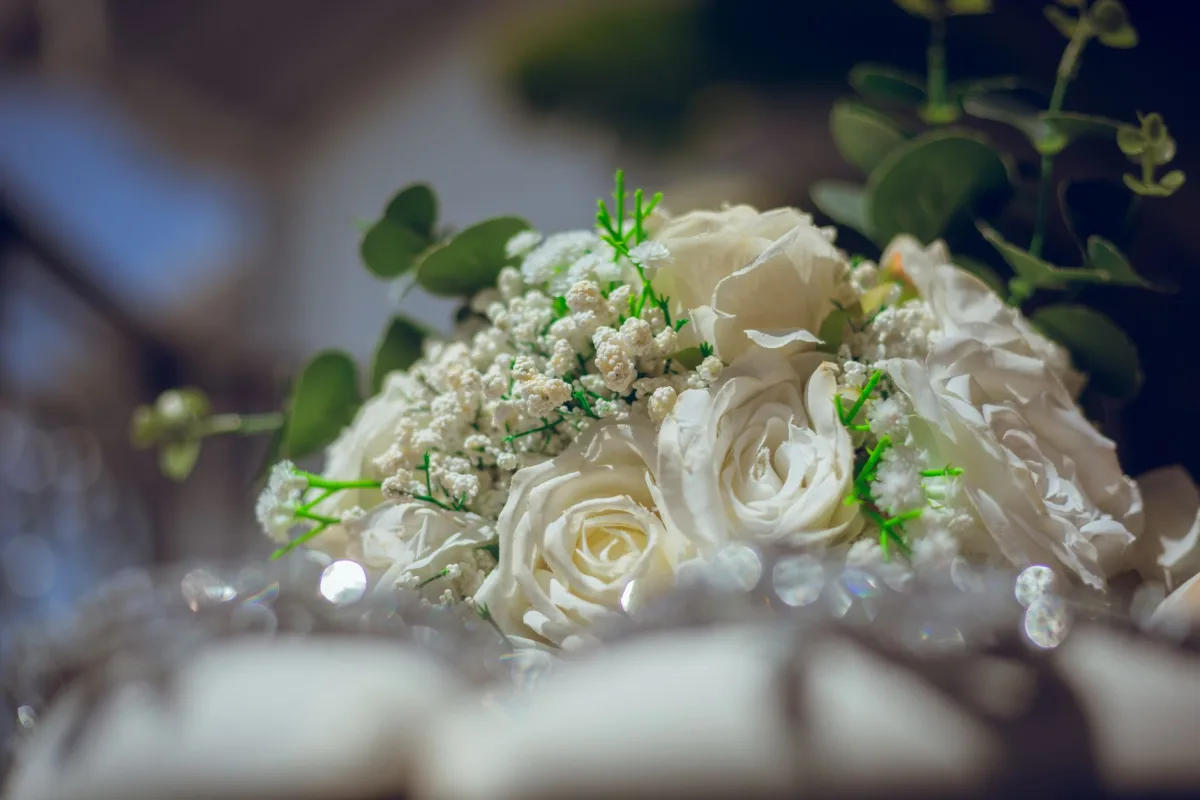
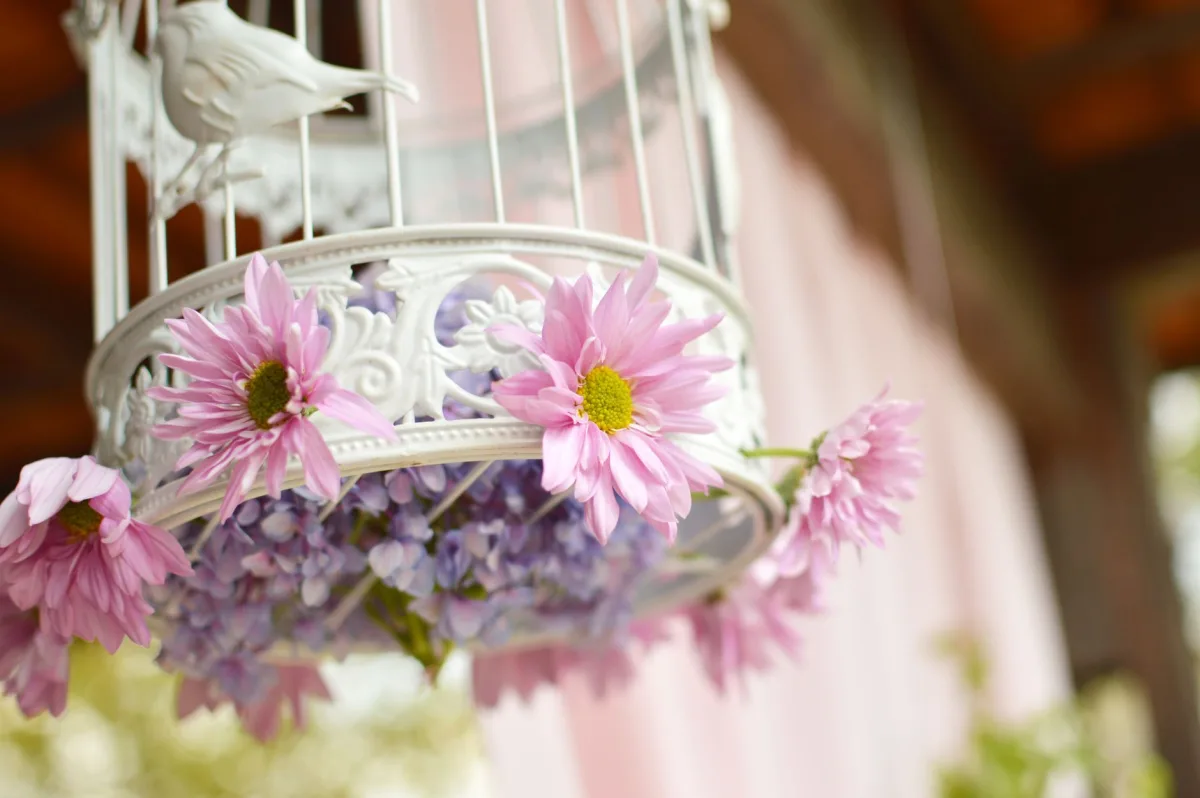
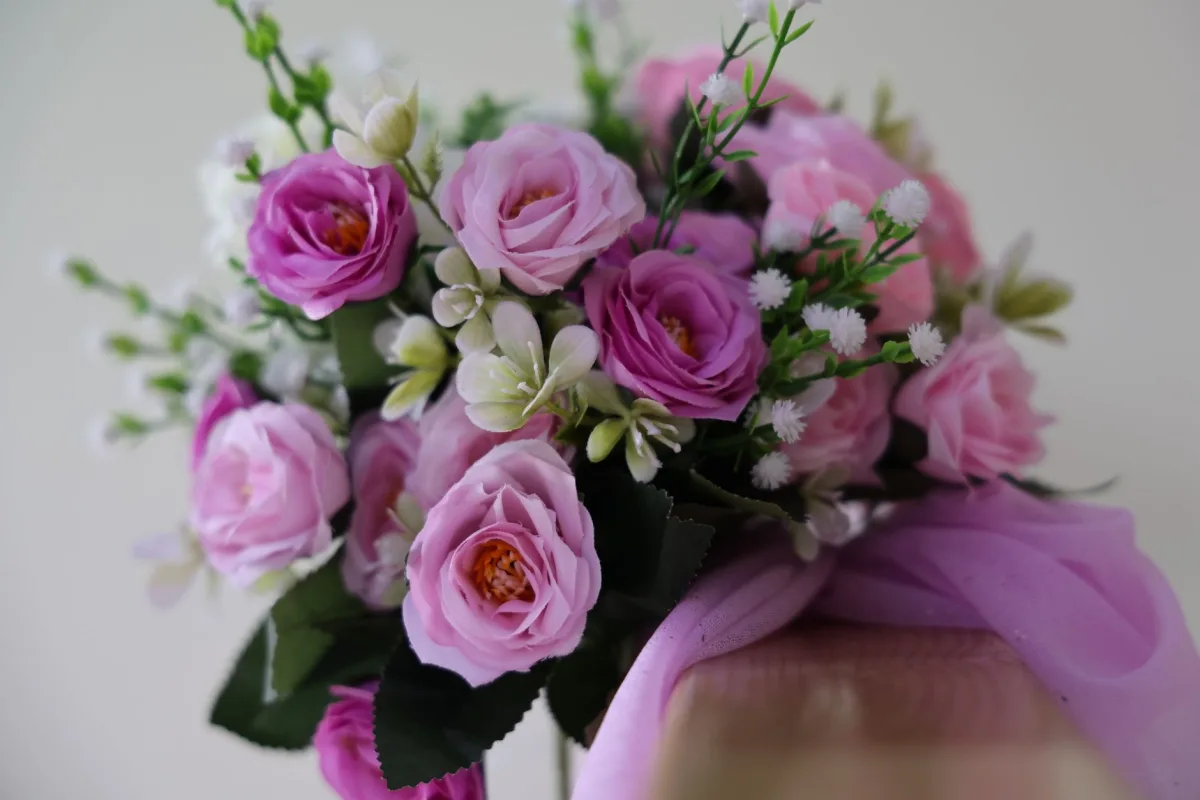
The clearest way to plan decorations is to walk the day in your head and dress each zone in turn. Guests experience a wedding as a sequence of spaces, so decorating in that order stops you over-dressing one area and forgetting another.
The entrance
The first impression: a welcome sign, a floral arrangement or arch, and a table for favours or the seating plan. Sets the tone in seconds.
The ceremony
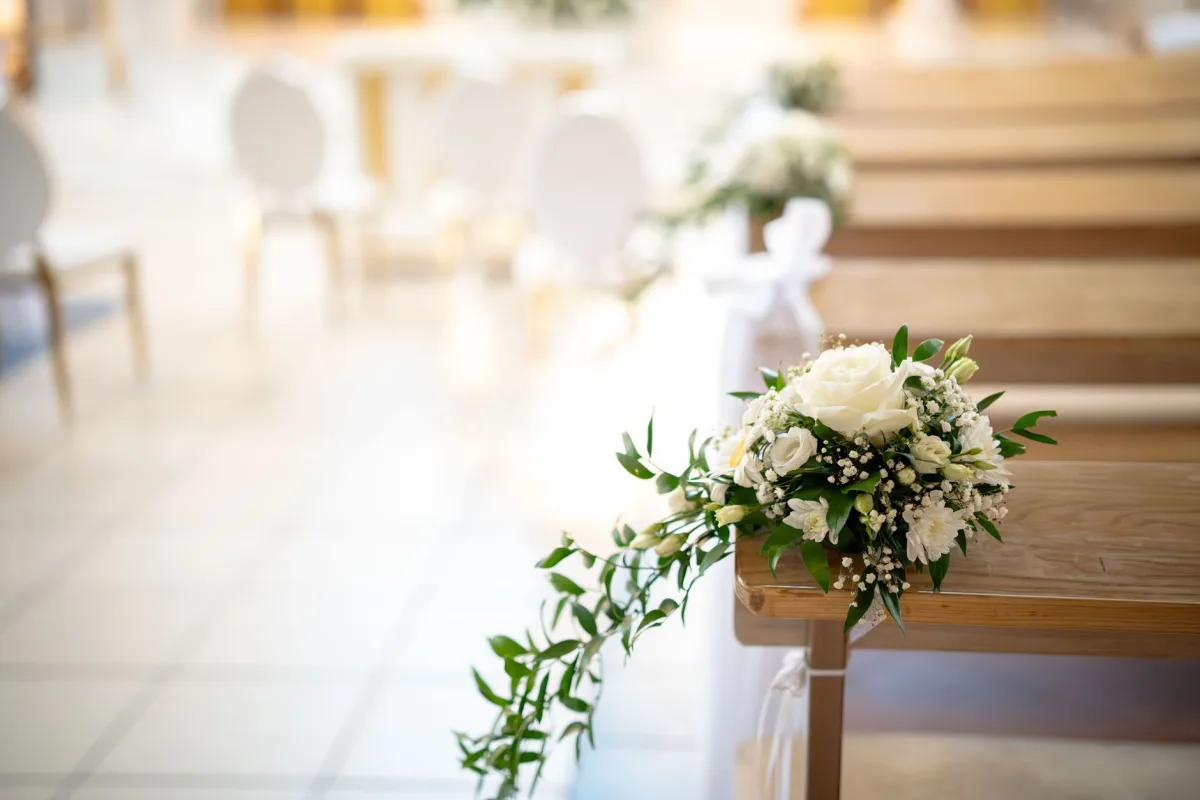
An arch, backdrop or aisle treatment gives the vows a focal point. This is the most photographed spot of the day, so spend here.
The tables
Centrepieces, linens, place settings and candles. Where guests sit longest, so comfort and sightlines matter as much as beauty.
The dance floor
Lighting, a backdrop and a statement installation turn the evening space into its own scene once the tables clear.
Dressing these four zones well matters more than covering every corner. A well-styled wedding stage or backdrop and a beautiful set of tables carry the whole room, while the walkways and quiet corners can stay simple. For the tables specifically, our wedding table decorations guide goes deep on centrepieces, linens and place settings.
Flowers and greenery
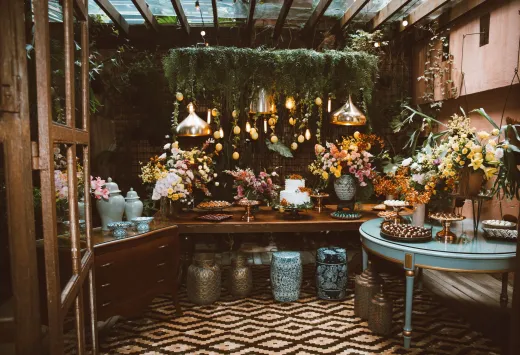
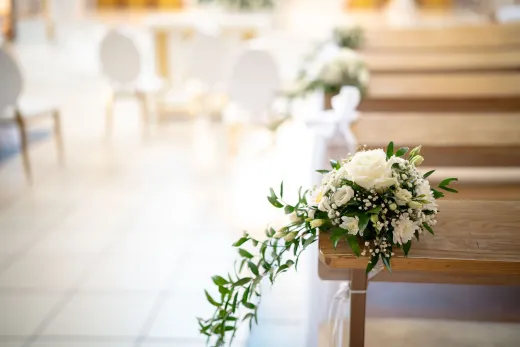
Flowers are the heart of most wedding decorations, and a little floristry knowledge stretches a budget a long way. The classic showpieces, a ceremony arch, table centres, aisle arrangements and the bouquet, can be scaled up or down enormously depending on whether you want abundance or a few precise statements. A single large arrangement often reads as more elegant than a dozen small ones, and greenery, eucalyptus, ferns, olive branches, foliage runners, gives lushness for a fraction of the cost of blooms.
The biggest saving is to follow the seasons. In-season flowers are cheaper, hardier and more abundant, and a florist can always suggest a beautiful alternative to an out-of-season variety. Mixing plenty of foliage with a smaller number of feature flowers gives the fullest look for the least money. To brief a professional well, or to decide what to arrange yourself, see our wedding florist guide and our wedding floral decorations ideas.
Lighting and candles
Lighting is the most underrated decoration of all, because it changes a room more completely than almost anything else and often costs less. Warm-white string lights overhead, candles at table level and uplighting against walls or a marquee's edges turn a plain space into an atmosphere. Think in layers: a glow from above, a flatter of light on faces at dinner, and pools of light lower down for depth. Dimmable lighting lets the same room shift from a bright ceremony to a candlelit dinner to a dark dance floor.
Candles deserve special mention because they punch far above their price. Grouped in clusters, set at varying heights, and floated in water or glass, they bring warmth and movement no electric bulb can match. Check your venue's rules first, as some require enclosed flames or battery candles, but wherever real flame is allowed, few decorations give more romance per pound.
Style by wedding type
The same palette dresses differently depending on the kind of wedding you are throwing. A few recognisable styles help you choose textures and materials that belong together rather than fighting.
- Classic and romantic. Soft blooms, plenty of candlelight, draped fabric and a restrained palette with a metallic accent. Timeless and always flattering in photographs.
- Rustic and natural. Wood, greenery, wildflowers, hessian and warm string lights. Suits barns, gardens and marquees, and forgives a smaller budget.
- Modern and minimal. Clean lines, a tight palette, architectural flowers and bold single statements rather than abundance. Let empty space do some of the work.
- Cultural and traditional. Rich colours, symbolic flowers, draped textiles and a decorated stage or mandap, drawing on the specific customs and palette of your heritage.
- Glamorous. Metallics, tall centrepieces, mirror and glass, and dramatic lighting for a sense of occasion and shine.
You do not have to pick just one, but a dominant style keeps the day coherent. Blend gently, letting a single style lead and borrowing accents from another, rather than giving every idea equal weight.
Decorate for the season
The calendar is a free design consultant. Spring invites soft pastels, blossom and tulips; summer suits bright blooms, greenery and long light outdoors; autumn brings deep tones, foliage, berries and candlelight; and winter loves rich colours, evergreens, metallics and an abundance of warm light against the early dark. Leaning into the season makes flowers cheaper, decorations easier to source, and the whole day feel naturally right rather than fighting the weather outside.
Season also shapes the practical side. An outdoor summer wedding needs shade and a plan for heat; an autumn or winter one needs warmth and generous lighting as the evening draws in early. Let the time of year guide both the palette and the comfort measures, and the decorations will feel effortless.
Bringing it together on a budget
A coherent wedding does not require a large budget, only a clear plan and disciplined spending. Put your money where guests look longest and the camera lingers, the ceremony backdrop, the tables and the lighting, and keep the rest simple. Repurpose wherever you can: a ceremony arch that moves behind the top table, aisle arrangements that become table centres, ceremony flowers that reappear at the reception. Hiring rather than buying large items, and choosing greenery over rare blooms, saves more than any single trick.
If you are decorating your own space rather than a hired venue, our companion guide to home wedding decorations focuses on gardens, doorways and interiors, and our wedding budget checklist keeps the decoration line in proportion with the rest of the day. Decorate with intention, follow the season, and let a clear palette carry the whole celebration.
Frequently asked questions
Where do I start with wedding decorations?
Start with a palette and a mood, not with individual purchases. Choose two or three main colours plus a metallic accent, and decide on the feeling you want, romantic, rustic, modern or traditional. Then dress the day area by area: entrance, ceremony, tables and dance floor. Holding every later decision against your palette is what makes a wedding look designed rather than like a collection of separate nice things.
What are the most important areas to decorate?
Focus on the four zones guests notice most: the entrance for first impressions, the ceremony backdrop which is the most photographed spot, the tables where people sit longest, and the dance floor for the evening. Dressing these four well matters far more than decorating every corner. Walkways and quiet spaces can stay simple, letting your budget concentrate where eyes and cameras actually linger.
How can I make wedding decorations look expensive on a budget?
Use greenery generously with a few feature flowers rather than many rare blooms, lean hard on warm lighting and candles which transform a room cheaply, and choose one large statement over several small ones. Follow the seasons for cheaper, hardier flowers, hire large items instead of buying, and repurpose pieces across the day so a ceremony arch becomes a backdrop and aisle flowers become table centres. A tight palette does more for a polished look than extra spending.
Should wedding decorations match the season?
It helps enormously. In-season flowers are cheaper, hardier and more abundant, and seasonal textures and colours always look right. Spring suits pastels and blossom, summer bright blooms and greenery, autumn deep tones and candlelight, and winter rich colours, evergreens and generous warm light. Leaning into the time of year makes decorations easier to source and the whole day feel naturally coherent.
How far ahead should I plan my decorations?
Settle the palette and overall style early, around the same time as the venue, then book florists, lighting and any hired installations several months out, especially for popular dates. Leave only the fresh flowers and final styling for the days just before. Assign the day-of setting up to a planner or trusted helpers so the couple is not arranging centrepieces on the morning of the wedding.