Wedding Night: The Complete Guide
Meaning, traditions and realistic expectations for the wedding night, plus practical planning and why presence matters far more than any script.
The wedding night carries a weight of expectation that few evenings in life have to bear. Films, songs and centuries of tradition frame it as a single perfect moment, and that pressure can quietly steal the joy from what is really just the first night of a marriage. This guide takes a calm, grown-up look at the wedding night: what it has meant across cultures and history, what to realistically expect after a long and emotional day, and how to plan for a night that is warm, unhurried and genuinely yours rather than a scene you feel you have to perform.
The short version
- Let go of the movie script. Real wedding nights are often tender and tired, not cinematic, and that is completely normal.
- Connection matters more than performance. Presence, laughter and closeness make the night, whatever form it takes.
- Plan the practical side. A comfortable room, food, water and no rush remove most of the stress before it starts.
- It is one night in a long marriage. There is no test to pass and endless time ahead together.
What the wedding night actually is
The wedding night is simply the first night a couple spends together after their wedding, the ceremony that marks the start of their marriage. Traditionally it follows the reception and marks the couple's first night as a married pair. That is the whole of it, stripped of the mythology: a night, at the end of a big day, spent in each other's company as newlyweds. Everything else that has attached itself to the phrase is culture and expectation layered on top.
It helps to name that mythology so you can set it aside. Popular culture tends to present the wedding night as a flawless, passionate set piece, and that image bears little resemblance to how most couples actually experience it. A wedding day is long, emotional and physically draining, and the honest truth is that many couples spend their wedding night exhausted, elated and simply glad to be alone together at last. Knowing that in advance is the single kindest thing you can do for the night itself.
Traditions and history behind the night

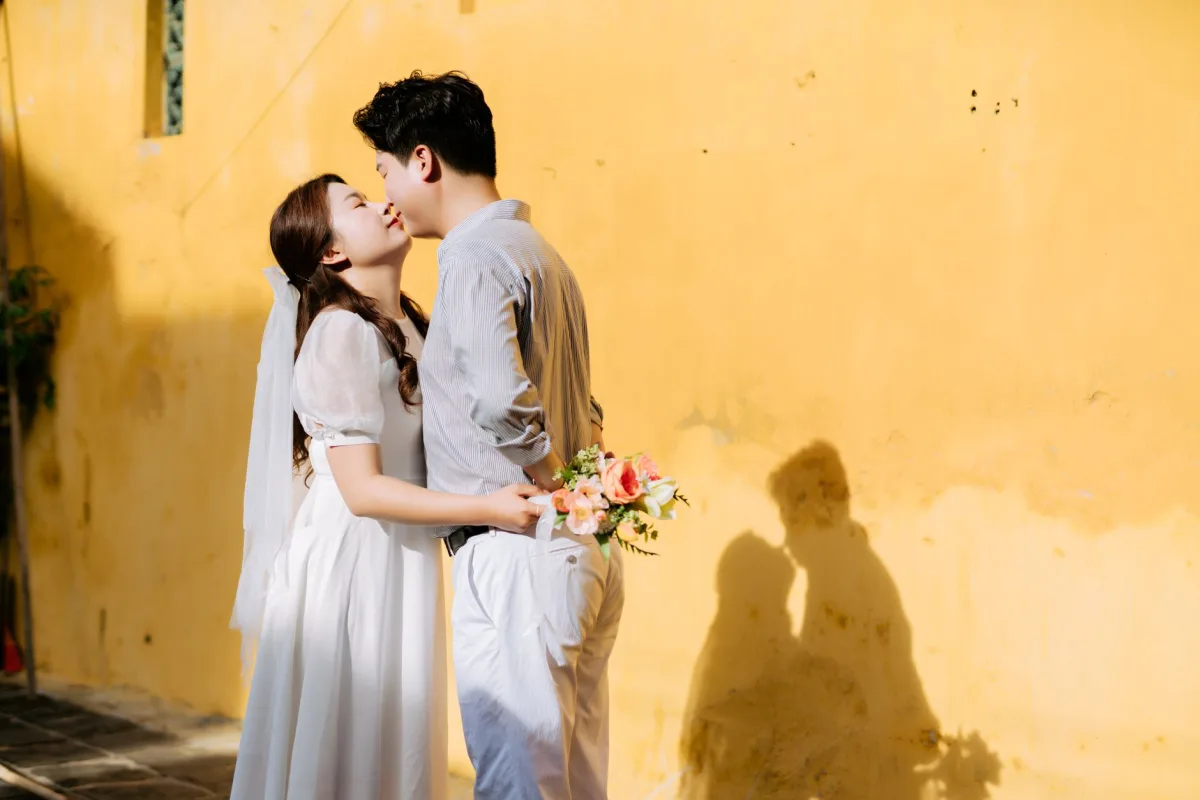
The wedding night sits close to an old idea called consummation, which historically referred to a couple completing their marriage by their first intimacy, and which in some legal and religious traditions was treated as the point that made a marriage fully binding. That historical weight is where much of the pressure around the night originally came from, in eras when a marriage's validity could hinge on it. Understanding that the pressure is largely a historical inheritance, not a personal requirement, takes a great deal of the sting out of it.
Customs around the night vary enormously across cultures and faiths, and many are far gentler than the modern film version. In numerous traditions the emphasis is on the couple finally having privacy, on rest, on shared food, on prayer or quiet conversation, rather than on any single expectation. Some cultures mark the night with specific rituals of welcome or blessing; others treat it as a simple, private beginning. There is no universal script, which means you are free to build one that fits your own relationship, values and comfort.
The wedding night
The couple's first night together as newlyweds, after the ceremony and reception. A beginning, not a test.
Consummation
A historical and, in some traditions, legal concept of a couple completing their marriage. Much of the night's old pressure traces back to it.
The honeymoon
The trip or period following the wedding. Many couples relax intimacy expectations for the wedding night and let closeness unfold over the honeymoon instead.
Connection
The real heart of the night: presence, tenderness and closeness in whatever form suits the couple, tired or otherwise.
Realistic expectations after a long day
Picture the honest arithmetic of a wedding day. You may have been awake since dawn, standing, greeting, dancing and feeling deeply for twelve hours or more. By the time the doors close and it is just the two of you, adrenaline is fading and tiredness is arriving. This is not a sign that anything is wrong; it is biology after an enormous day. Couples who expect to be swept into a cinematic scene often feel let down, while couples who expect to be happily exhausted are usually delighted by whatever the night turns out to be.
So reframe success. A wonderful wedding night might be a long shower, room-service food, lying in bed talking and laughing about the day, and falling asleep in each other's arms. It might be intimacy, and it might not, and neither outcome is a verdict on your marriage. The most reassuring fact of all is one of perspective: many couples now treat the wedding night simply as rest and closeness and let physical intimacy unfold over the honeymoon, the relaxed period that follows the wedding, when you are rested and have time. There is no clock and no scoreboard.
Planning the practical side
Much of what makes a wedding night stressful is logistical, and logistics are the easiest thing to fix. A little planning removes most of the friction before it can start. Think through the simple, physical needs of two tired people at the end of a huge day, and arrange them in advance so nothing has to be sorted out at midnight.
- Choose the room with care. A comfortable, clean, private space you both like matters more than luxury. If it is a hotel, tell them it is your wedding night; many will help.
- Arrange food and water. Couples often barely eat at their own wedding. Have something to eat and plenty of water waiting, because being fed and hydrated changes the whole mood.
- Plan the logistics of getting there. Know how you are travelling from the reception, who is carrying your bags, and where the room key is, so the night does not start with a scramble.
- Lower the time pressure. If you can, avoid an early flight the next morning. A night with nowhere to rush to is worth far more than squeezing in extra travel.
- Pack a small comfort kit. Whatever helps you feel relaxed and yourself, from comfortable nightwear to make-up remover, makes the wind-down easier.
None of this is unromantic. Quite the opposite: taking care of the practical layer is what frees you both to be present with each other instead of managing problems. For the wider adjustment of these first days and weeks together, our guide for the newly married couple carries the story forward past this one night.
Connection over performance
If there is one idea to carry into the night, it is that connection matters more than performance. The couples who look back most fondly on their wedding night rarely describe a flawless scene; they describe a feeling of finally being alone together, of relief and tenderness and often a lot of laughter. Presence is the whole point. Put the phones away, resist the urge to relive the day through a hundred photos, and simply be with each other.
Communication makes all of this easier, and it is worth a gentle conversation before the wedding rather than a silent set of assumptions on the night. Talk, lightly and lovingly, about what you each hope for and what would help you relax, so you arrive on the same page with no pressure to read each other's minds while exhausted. That kind of open, kind conversation is the same muscle that carries a marriage, and our collection of relationship tips and our guide to husband and wife romance both lean on it well beyond the wedding night.
Keeping it in perspective
Above all, hold the night in proportion. It is one night at the very start of what you hope will be decades together. Whatever it looks like, tender, sleepy, passionate or simply cosy, it is the first of thousands of nights, and no single evening has to carry the meaning of the whole marriage. The pressure to make it perfect is precisely the thing most likely to spoil it, and letting that pressure go is the surest route to a night you will remember warmly.
Seen clearly, the wedding night is a small, sweet threshold rather than a grand exam. It is the moment the celebration quiets and the marriage itself begins, in private, on your own terms. For the bigger picture of the day it closes and the life it opens, our overviews of the wedding and of marriage put it in context, and the platform behind this guide, matrimony360, is here to support couples through every stage of that journey.
The bottom line
The wedding night is the first night of a marriage, not a performance to be judged. History loaded it with expectation, and popular culture inflated that into a myth, but the reality is gentler and kinder: two people, tired and happy, finally alone together at the end of an extraordinary day. Plan the practical side so nothing gets in the way, choose connection over any script, talk openly beforehand, and let go of the need for perfect. Do that, and whatever shape the night takes, it will be exactly what a wedding night is meant to be: the warm, private beginning of the rest of your life together.
Frequently asked questions
What is the wedding night, really?
It is simply the first night a couple spends together after their wedding, marking their first night as a married pair. Stripped of the mythology built up around it, that is all it is: a night at the end of a big day, spent as newlyweds. The cinematic image of a flawless, passionate scene is culture and expectation layered on top, not a definition of what the night must be.
Is it normal to be too tired for intimacy on the wedding night?
Completely normal. A wedding day is long, emotional and physically draining, often starting at dawn and running late into the night, so many couples are simply exhausted by the time they are alone. Being happily tired is not a sign that anything is wrong. Many couples treat the night as rest and closeness and let intimacy unfold over the honeymoon instead, when they are rested and unhurried.
How can we take the pressure off the wedding night?
Reframe what success means and plan the practical side. Expect to be tired rather than cinematic, and count a night of showering, eating, talking and laughing together as a wonderful outcome. Then remove the logistical stress: a comfortable room, food and water waiting, an easy journey there, and no early flight to rush for. Lowering both the emotional and practical pressure is what lets the night relax.
What should we plan in advance?
Handle the simple physical needs of two tired people. Choose a comfortable, private room and tell the hotel it is your wedding night. Arrange food and plenty of water, since couples often barely eat at their own wedding. Sort out how you get to the room and who carries the bags, avoid an early departure the next day if you can, and pack a small comfort kit so winding down is easy.
Does the wedding night have to involve sex?
No. There is no rule and no test to pass. Historically the idea of consummation gave the night legal and religious weight, but that is a historical inheritance, not a personal requirement. What matters is connection in whatever form suits you both on the night, tired or otherwise. Many couples let physical intimacy unfold naturally over the honeymoon, and that is entirely healthy and common.
How do we make the wedding night feel special?
Focus on presence rather than performance. Put the phones away, resist reliving the day through endless photos, and simply be together, which is what couples remember most fondly. A gentle, loving conversation beforehand about what each of you hopes for removes guesswork and pressure. Remember it is one night at the start of a long marriage, and letting go of the need for perfect is what makes it genuinely special.