Zola Wedding: The Complete Guide
How all-in-one wedding platforms fit a website, registry, invitations and guest tools into one linked account.
Search "zola wedding" and you land on a very modern idea: one account that holds your wedding website, your gift registry, your guest list, your invitations and a stack of planning tools, all stitched together. Zola is one of the best known United States wedding platforms built around exactly this all-in-one promise. This guide explains what that kind of platform actually does, how the pieces fit, what it tends to cost, and how to decide whether a single connected system suits your wedding. Where a detail depends on the current product, we will point you to the live site rather than guess.
The short version
- Zola is an all-in-one wedding platform, combining a free wedding website, registry, guest tools and paper into one linked account.
- The registry is the anchor. Universal registries let guests contribute to items, cash funds or experiences, not just a fixed store list.
- Websites and basic tools are typically free; invitations, save-the-dates and premium paper are paid per order.
- The appeal is that everything talks to everything. Your guest list feeds your website, your paper and your thank-you tracking.
What a "Zola wedding" actually means
When people say they are planning a "Zola wedding," they usually mean they are running the logistics of their wedding through one connected platform rather than juggling separate tools. Zola is a US company whose product bundles the common pre-wedding jobs, building a public wedding website, collecting RSVPs, managing a gift registry, and ordering save-the-dates and invitations, so that data entered once flows through everything else.
The concept is worth understanding even if you never use this particular brand, because the all-in-one model has reshaped how couples plan. Instead of a registry at one shop, a website from another service and paper from a third, a single account becomes the spine of the whole event. If you are still mapping out the full arc of tasks, pair this with our wedding planning checklist, which lays out the sequence a platform like this is designed to support.
The pieces of an all-in-one wedding platform


The strength of these systems is that the components share one guest list and one design. Here is what each part typically does.
The wedding website
A public page with your story, schedule, venue details, travel notes and an online RSVP. It is usually free and templated, so it is quick to launch.
The gift registry
A universal list where guests choose gifts, contribute to group items, or give to cash and honeymoon funds. Guests buy from one place regardless of the store.
Invitations and paper
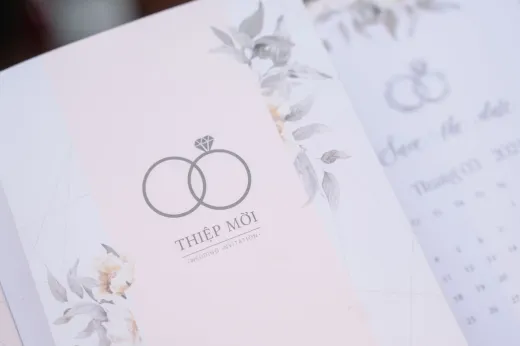
Matching save-the-dates, invitations and thank-you cards, ordered through the platform with designs that echo your website. This is where most paid spending sits.
Guest list and RSVP tracking
One central list that powers your website RSVPs, your paper addressing and your meal or seating counts, so a change updates everywhere.
Planning tools
Checklists, a budget tracker and vendor discovery, giving you a lightweight command centre alongside the guest-facing features.
Couple discovery
A public search that lets guests find your registry or website by name, which is why "find a couple" searches are so common on these platforms.
How the registry works, and why it is different
The heart of a Zola-style platform is a modern take on the gift registry. A traditional registry was a fixed list at a single department store. A universal registry breaks that open: you can add products from many retailers, invite guests to chip in together on one expensive item, and include cash funds for a honeymoon, a home, or an experience. Guests see one tidy list and contribute in whatever way suits them.
This flexibility is the main reason couples adopt these platforms. It removes the awkwardness of guests hunting across different shops, and it lets you accept meaningful contributions toward big goals rather than only physical objects. Two cautions worth knowing: cash-fund contributions can carry processing fees, and guests sometimes prefer buying a tangible gift, so a good registry usually offers a healthy mix of both. As always, confirm the current fee structure on the platform itself before you lean on any one feature.
Websites and invitations
The free wedding website is often what pulls couples in. You pick a design, add your details, and share a link so guests can find directions, dress code, the timeline and an RSVP form in one place. Because the template matches the paper range, your wedding invitation suite can visually rhyme with the site, which is a genuinely nice touch for a coherent look.
Invitations and save-the-dates are where the paid spending concentrates, priced per card and per order, with upgrades for premium papers, foil and envelopes. If you love the convenience of matched design and a guest list that addresses itself, this is a real time-saver. If you would rather choose paper independently, our guide to wedding invitations covers wording, timing and etiquette that apply whichever route you take. Either way, order a physical proof before a full print run so you can check colour and spelling in the hand, not just on screen.
What it typically costs
Pricing on all-in-one wedding platforms follows a clear pattern, though exact numbers change, so treat these as ranges to sanity-check against the live site. The wedding website, registry and core planning tools are usually free. You pay for physical goods and premium extras: save-the-dates and invitations priced per piece, which scale with your guest count and paper choices, plus any processing fee on cash-fund gifts.
The honest way to budget is to separate the free spine from the paid add-ons. Launching a website and building a registry should cost nothing. Your real outlay is the paper, and that is driven by how many guests you have and how lavish the stock is. Set a paper budget early, get a per-invite price from the current product, and multiply it out before you fall for a design. For the wider picture of where paper sits among all your costs, our wedding planning tools guide shows how a budget tracker keeps every category honest.
Is an all-in-one platform right for you?
The case for going all-in-one is convenience and coherence. One login, one guest list, one design language, and features that update each other. For couples who value tidiness and hate re-entering the same addresses three times, that integration is worth a great deal. It also makes it easy for guests, who find your website and registry in one search and RSVP in two clicks.
The case against is flexibility. A single platform nudges you toward its own paper, its own templates and its own ecosystem, and you may find a specialist stationer or a particular registry store that you prefer. Many couples split the difference: they use the free website and guest tools for the convenience, then shop paper or specific gifts wherever they like. There is no wrong answer, only the one that matches how much you value integration over independence. If you would rather compare several services before committing, weigh them the way our wedding planner overview suggests, on the features you will actually use.
The bottom line
A "Zola wedding" is shorthand for planning through one connected platform, where your website, registry, guest list and invitations share a single source of truth. The model's real value is that everything talks to everything, which saves time and keeps your details consistent. Use the free website and registry freely, budget carefully for paper because that is where the spending lands, and always confirm current prices and fee terms on the platform itself rather than trusting any outside summary. Match the tool to your temperament, lean in for the convenience or mix and match for the control, and let the software handle the logistics so you can spend your attention on the day itself.
Frequently asked questions
Is a Zola wedding website free?
On all-in-one wedding platforms the wedding website and registry are typically free to create and share, along with core planning tools like a checklist and guest list. What you pay for are physical goods and premium extras, chiefly save-the-dates, invitations and thank-you cards, priced per piece. Always confirm the current terms on the platform, since features and pricing are updated regularly.
How does the registry work?
It is a universal registry, meaning you can add gifts from many retailers, let guests contribute together on larger items, and include cash or honeymoon funds. Guests see one combined list and give in whatever way suits them. Be aware that cash-fund contributions can carry a processing fee, so check the current fee structure before relying heavily on cash gifts, and offer a mix of tangible items too.
How much do invitations cost on these platforms?
Invitations and save-the-dates are priced per card and per order, so the total depends on your guest count and how premium the paper, foil and envelopes are. The website and registry cost nothing, but paper is the real expense. Get a per-invite price from the live product, multiply by your guest list, and order a physical proof before any full print run to check colour and spelling.
Why do people search "find a couple" on wedding platforms?
Because these platforms include a public search that lets guests look up a couple by name to reach their wedding website or registry. It is how invited guests find where to RSVP and what to give without needing a direct link. If a couple has made their page public, a name search will usually surface it.
Should I use one platform for everything or mix providers?
It depends on what you value. An all-in-one platform gives you convenience and a consistent design, with one guest list feeding your website, paper and tracking. Mixing providers gives you more choice of stationer and registry store but more manual work. Many couples use the free website and guest tools for convenience, then shop paper and specific gifts wherever they prefer.