Digital Wedding Invitations: The Complete Guide
Formats, live RSVP tracking, etiquette and the hybrid of printed keepsakes plus digital that resolves nearly every drawback of going paperless.
A digital wedding invitation does the same ancient job as a printed one, announcing a marriage and asking people to come, but it arrives by phone or inbox instead of by post. It is faster, cheaper and easier to track, and it has shed most of its old reputation as a downgrade. Yet the format still carries etiquette, and the choice between a link, an animated card, an email and a printed keepsake is not just about cost. This guide walks through the formats, how digital RSVP tracking actually works, the etiquette that keeps a modern invitation gracious, and when going paperless is right versus when a printed piece still earns its place.
The short version
- Digital invitations range widely, from a simple email to an animated card to a full wedding website with RSVP.
- Tracking is the real advantage, because guests reply in one tap and you see the count update live.
- Etiquette still applies, so send early, address people by name, and make the reply effortless.
- Hybrid works best for many, printed keepsakes for elders and close family, digital for everyone else.
What counts as a digital invitation
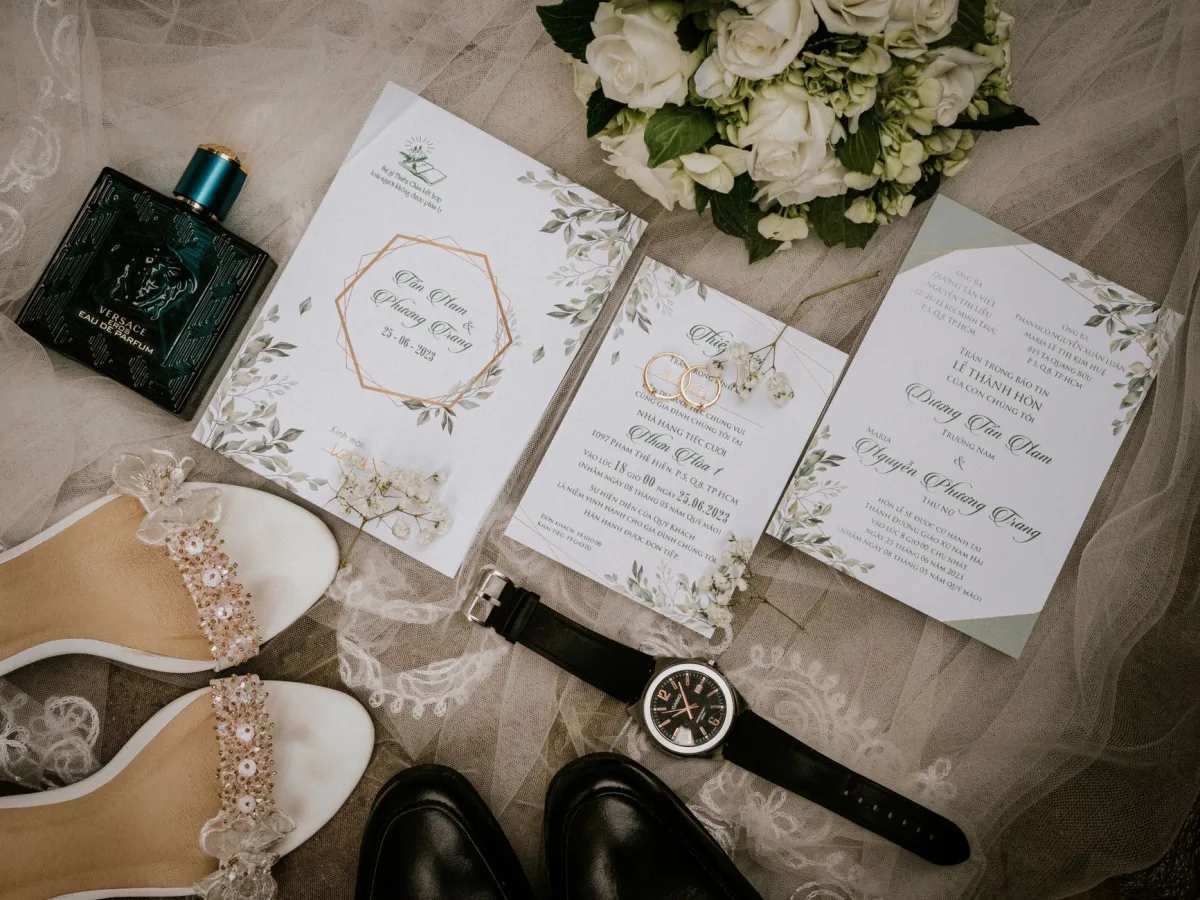
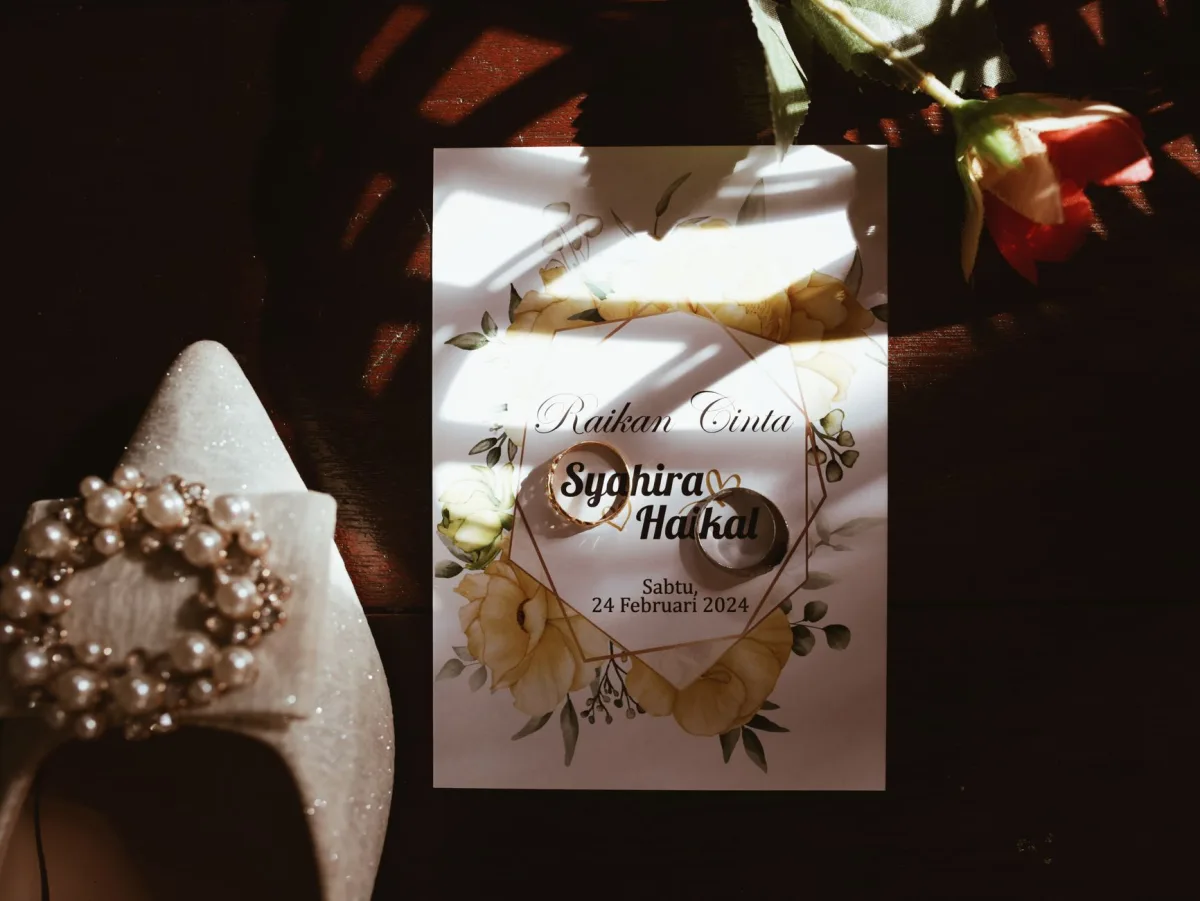
"Digital wedding invitation" covers a broad range, and the first useful step is to see the ladder of formats, because they differ hugely in effort, cost and feel. At the simplest end is an email or messaging card, a nicely designed image sent straight to a phone or inbox. In the middle sit dedicated e-invite platforms that send animated or interactive cards with built-in reply buttons. At the richer end is a full wedding website, a page with your story, the schedule, travel details and an RSVP form, whose link you share by message, email or a QR code on a small printed card.
None of this changes what an invitation fundamentally is. Before the printing press, weddings were announced by town criers, and formal printed stationery only became widely affordable after the twentieth century. The digital invitation is simply the next delivery method in a very long line, and the etiquette that grew up around paper, sending it in good time and making the reply easy, transfers almost unchanged. For the printed cousin and the broader category, our overview of wedding invitations sets the wider context.
How digital RSVP tracking works
The strongest reason to go digital is not saving trees, it is saving your sanity over the guest count. RSVP, from the French "repondez s'il vous plait," has always asked guests to confirm whether they will attend, and paper RSVPs are notoriously slow: cards get lost, forgotten in a drawer, or posted back the week of the wedding. Digital RSVP collapses that whole problem into a single tap.
When a guest opens your e-invite or website, a button or short form lets them respond immediately, and the reply lands in a dashboard you can watch update in real time. Most tools let you collect more than a yes or no in the same step: meal choices, dietary needs, song requests, the number in their party and a note. You can send automatic reminders to non-responders with one click rather than chasing by phone, and you can close or edit details as plans firm up. That live headcount feeds straight into your catering, seating and budget, which is why so many couples fold it into their wider wedding planning tools from the start.
Etiquette for a paperless invitation
Digital does not mean casual, and the same courtesies that governed engraved cards keep a modern invitation gracious. Get these right and no one reads "paperless" as "afterthought."
Send in good time
The old guidance of mailing five to eight weeks ahead still holds, with a save-the-date earlier. Digital lets you send instantly, but early is still courteous.
Address people by name
A personal greeting, not a mass blast, tells each guest they are individually invited and quietly signals who exactly is included.
Make replying effortless
One obvious button, no login, no app download. The easier the reply, the faster your count fills in.
Offer a fallback
For relatives who do not use the technology, include a phone number or a printed card so no one is quietly excluded.
The wording itself deserves as much care as a printed card. The tone still sets the formality of the day, and a warm, correct message reassures guests that the digital format is a choice, not a corner cut. Our collection of wedding invitation messages gives ready wording you can adapt for any format.
The honest pros and cons
Digital invitations are excellent, but they are not free of trade-offs, and pretending otherwise leads to regret. The advantages are real and substantial. They cost a fraction of printed suites, with no paper, printing or postage. They arrive instantly, anywhere in the world, which is a gift for a destination wedding or scattered family. They track RSVPs automatically, update effortlessly when details change, and let you enrich the invitation with maps, schedules and photos that paper cannot hold.
The drawbacks are worth respecting. A digital invitation lacks the physical keepsake quality, the heavy card that a guest props on a shelf or tucks into a memory box. It can feel less formal for a very traditional wedding. It assumes every guest is comfortable with the technology, which is rarely true of the oldest relatives. And an email invitation can land in spam or be scrolled past and forgotten in a way a posted envelope is not. None of these is fatal, but each one has a workaround, and the best workaround is usually not to go fully digital at all.
The hybrid approach most couples land on
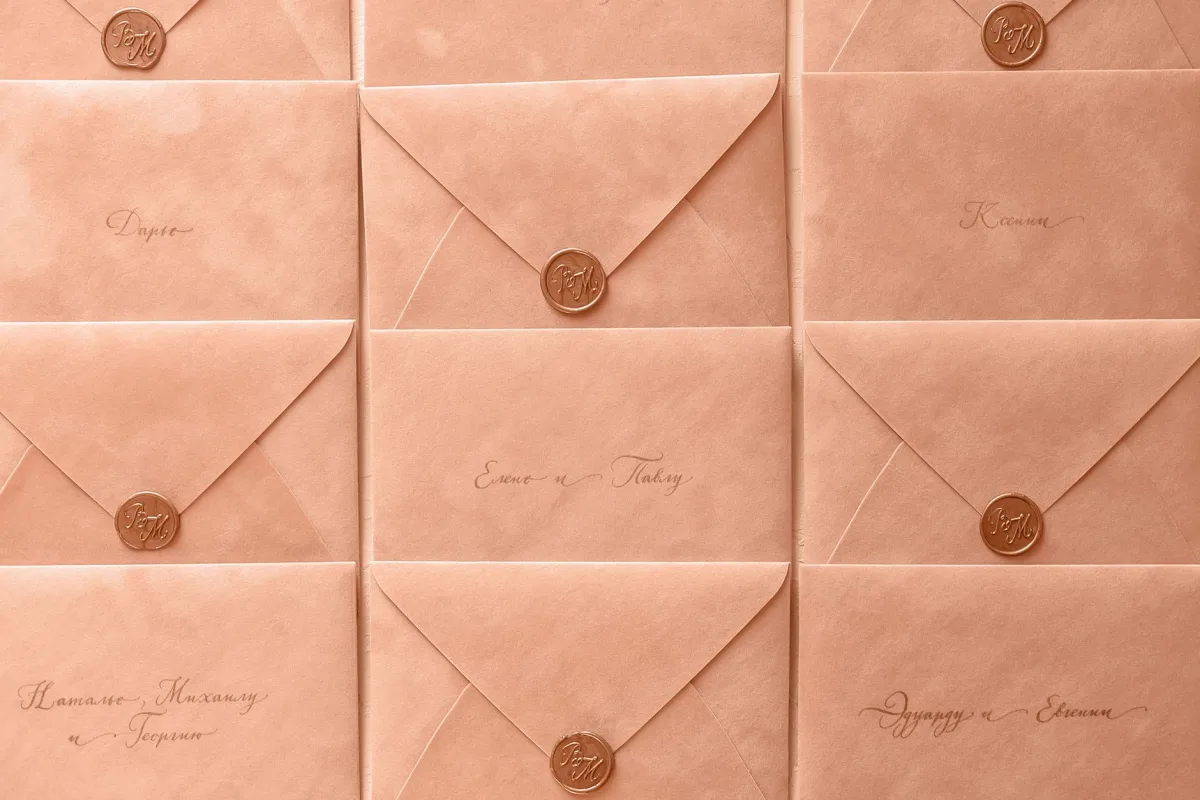
The sensible middle path is a hybrid, and it resolves nearly every drawback above. Print a small number of beautiful physical invitations for the people who will treasure them or struggle with a screen, grandparents, close family, the guests for whom the paper is part of the honour, and send everyone else a polished digital invitation with online RSVP. You keep the keepsake and the formality where they matter, and the speed, savings and tracking everywhere else.
A neat version of the hybrid uses a printed card whose only job is to carry a QR code or short link to your wedding website, marrying the tactile object with the digital hub. Whichever blend you choose, design consistency ties it together: the printed and digital pieces should share the same palette, fonts and wording so they read as one wedding. Tools like Canva make that easy, and our guide to Canva wedding invitations shows how to build a matching suite you can both print and send.
The bottom line
Digital wedding invitations have grown up. They do the invitation's ancient job faster and cheaper, and their real superpower is the live RSVP count that feeds straight into your catering and seating. They still ask for the old courtesies, sent early, addressed personally, easy to answer, and they still benefit from careful wording and a consistent design. For most couples the smartest answer is not all-or-nothing but a hybrid: printed keepsakes for the few who cherish them, digital for the many, all speaking one visual language. Plan it that way and you keep the warmth of tradition with the ease of the tools we all now carry in a pocket. Couples on matrimony360 increasingly start here, because a smooth invitation sets the tone for everything that follows.
Frequently asked questions
Are digital wedding invitations tacky?
Not anymore. Once seen as a downgrade, digital invitations are now mainstream and entirely acceptable for most weddings, and a well-designed one looks polished and intentional rather than cheap. The perception of "tacky" usually comes from careless execution, a mass, unaddressed blast with sloppy wording, not from the format itself. Send it early, address guests by name, use tasteful design and correct wording, and offer a fallback for less tech-comfortable relatives, and no reasonable guest will think less of it.
How do guests RSVP to a digital invitation?
They tap a button or fill a short form built into the invitation or your wedding website, usually without needing an account or app. The reply lands instantly in a dashboard you control, and most tools let guests add meal choices, dietary needs and the number in their party at the same time. You can send automated reminders to anyone who has not replied, and watch your headcount update live, which is far faster and more reliable than waiting on posted reply cards.
Are digital invitations cheaper than printed ones?
Considerably, in most cases. Going digital removes the costs of paper, printing and postage, which for a large guest list can be a significant saving, and many simple e-invite and website tools are free or low-cost to use. The main costs shift to optional extras like premium templates or a paid platform. That said, a hybrid approach with a small run of printed keepsakes for close family adds some cost back, which most couples happily accept for the sentimental value.
Should I still send paper invitations to some guests?
For many couples, yes, and that hybrid is often the best answer. Print a small number of physical invitations for grandparents, close family and anyone who would treasure the keepsake or find a screen difficult, and send everyone else a digital invitation with online RSVP. You keep the formality and sentiment of paper where it counts and gain the speed, savings and tracking of digital everywhere else. Keeping both formats visually consistent makes the whole thing feel deliberate.
Can I send a digital save-the-date and a printed invitation, or the reverse?
Absolutely, and mixing the two stages is common. A digital save-the-date is quick, cheap and easy to send far in advance, then a printed formal invitation can follow closer to the day for guests who value it. The reverse also works. There is no rule that both must share a format. Just keep the wording and design coordinated across the two so guests recognise them as belonging to the same wedding, and make sure the RSVP method is clear on whichever piece carries it.