Marriage Proposal: The Complete Guide
What a proposal really is, where the ring and the kneeling came from, and how to ask with confidence rather than anxiety.
A marriage proposal is a small moment that carries an enormous weight. It is often just a question, a ring and a held breath, yet it marks the point where two lives formally decide to become one shared plan. This guide takes the whole subject in one pass: what a proposal actually is, where the familiar rituals came from, whether you truly need a ring, how to plan one that fits the two of you, and what happens after the yes. The aim is to help you propose with confidence rather than anxiety.
The short version
- A proposal is a request, not a surprise test. The best ones confirm a decision the couple has already discussed.
- The ring is a custom, not a rule. Many happy proposals involve no ring at all, or one chosen together afterwards.
- Fit the moment to the person. A private ask, a public celebration and a family-first approach are all valid.
- The yes is the start, not the finish. The real work begins with planning the engagement and the marriage itself.
What a marriage proposal actually is
A marriage proposal is the event where one person in a relationship asks the other to marry them. If accepted, it marks the beginning of an engagement. That is the whole formal definition, and it is worth noticing how simple it is. Everything else, the kneeling, the ring, the hidden photographer, the mountaintop or the rooftop, is decoration that different cultures and eras have added to the same basic act: asking, and answering.
Because the ritual has grown so elaborate, it is easy to forget that the heart of a proposal is consent between two adults who already know each other well. A proposal is not a surprise inspection where one person guesses at the other's readiness. In healthy relationships the desire to marry is usually clear on both sides long before the ring appears. The proposal then becomes a beautiful formality, a chosen moment to say out loud what both people have quietly agreed. Treat it that way and most of the fear drains out of it.
A short history of the proposal
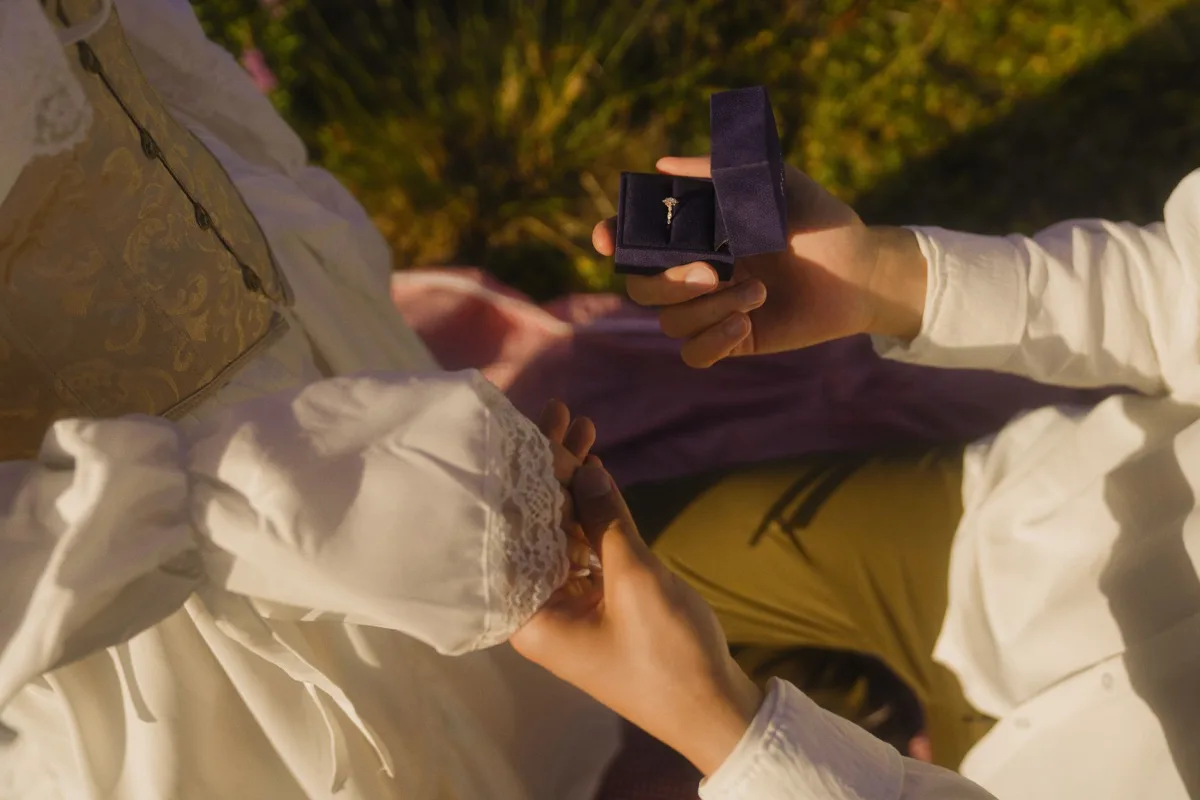
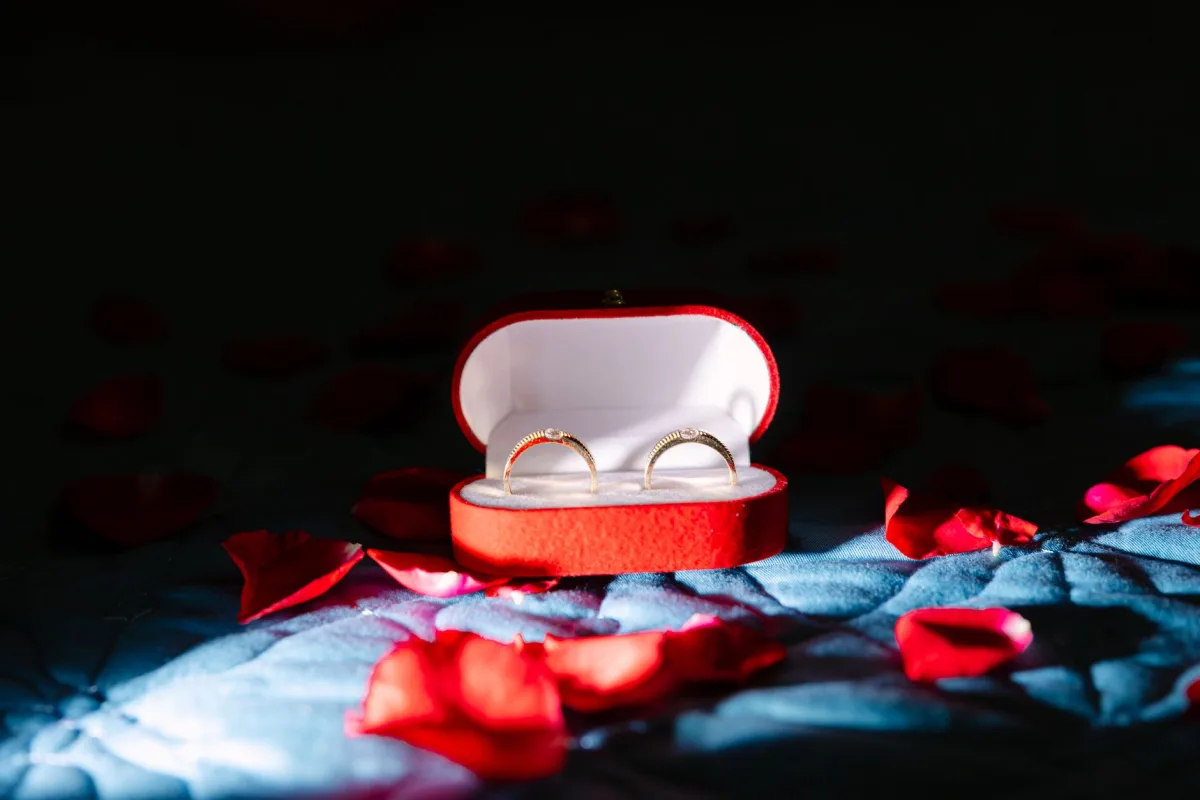
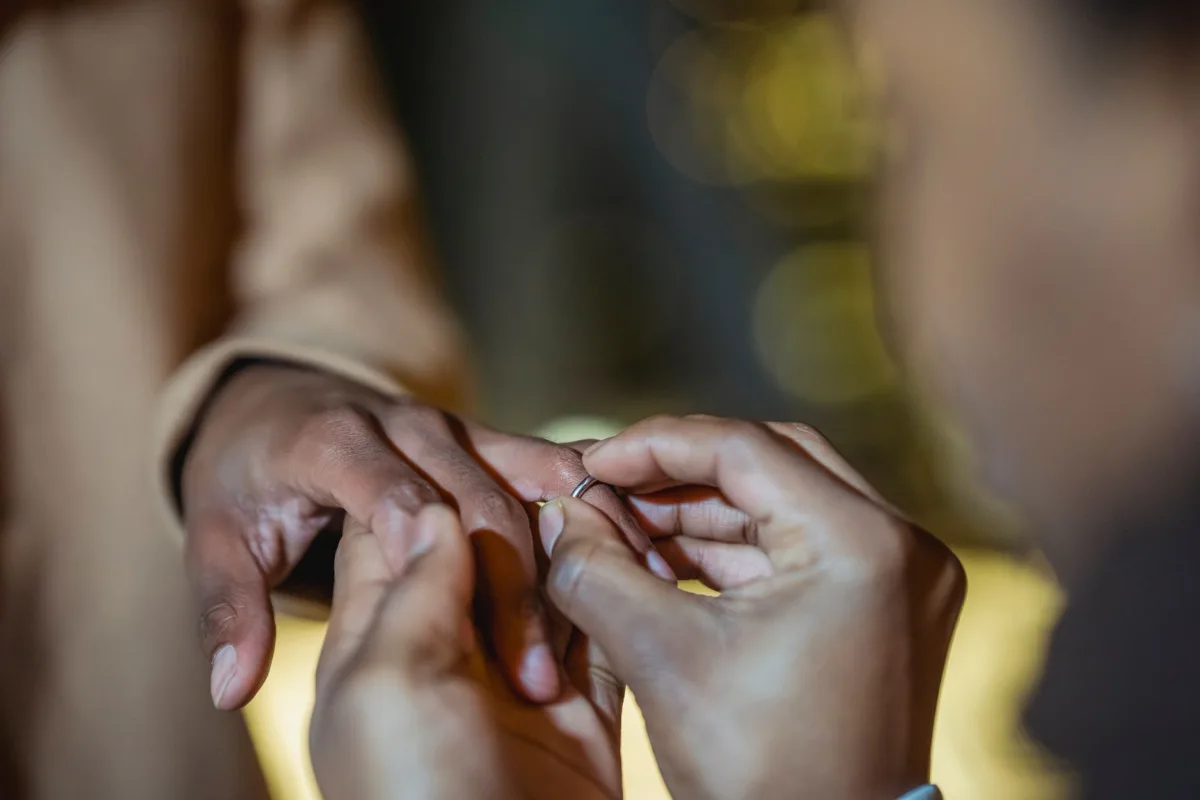
Many of the details we treat as timeless are surprisingly recent, and often commercial. The single most famous example is the diamond ring. The custom of proposing with a diamond is frequently traced to 1477, when Archduke Maximilian of Austria gave a diamond ring to Mary of Burgundy, but it did not become a mass tradition until the twentieth century. The idea that a diamond ring is the natural centre of an engagement was powerfully shaped by advertising, most famously the De Beers slogan "A Diamond Is Forever," introduced in 1947. What feels like ancient romance is, in part, a modern marketing triumph.
Other habits are older and stranger. The tradition of the ring sitting on the fourth finger of the left hand is often linked to an old Roman belief in the vena amoris, a "vein of love" thought to run from that finger straight to the heart. And the notion that a woman may do the proposing on the 29th of February comes from a leap year custom sometimes called Bachelor's Day, associated in Irish legend with Saint Brigid and Saint Patrick. Knowing this history is freeing: it shows that the "rules" are just customs, and you are allowed to keep the ones you love and quietly drop the rest.
The engagement ring, and whether you need one
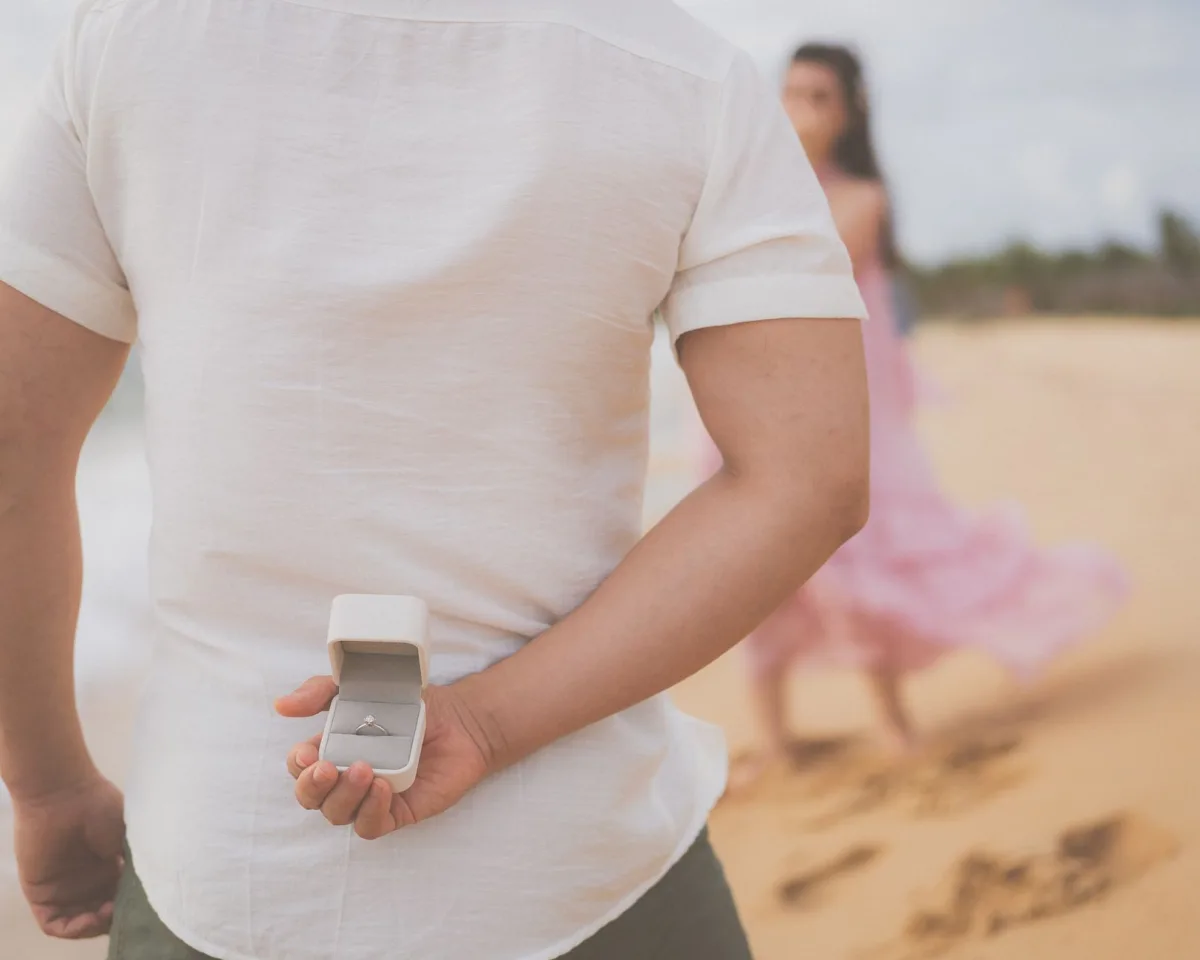
Let us settle the ring question plainly, because it causes more stress than any other part. You do not need a ring to propose. A ring is a widespread and lovely custom in many cultures, but it is not what makes a proposal real or valid. Plenty of couples propose with no ring, choose one together afterwards, use an heirloom, or mark the moment with something else entirely. What matters is the commitment, not the carat.
If you do want a ring, spend within a budget that will not haunt your first year of marriage. The widely repeated "two or three months' salary" figure is not an ancient law; it traces back to jewellery advertising and should be ignored as a rule. A sensible approach is to decide what you can comfortably afford, then find the most beautiful ring within that number, rather than starting from a target price someone else invented. Many couples now prioritise a setting or stone that suits the wearer's taste over sheer size.
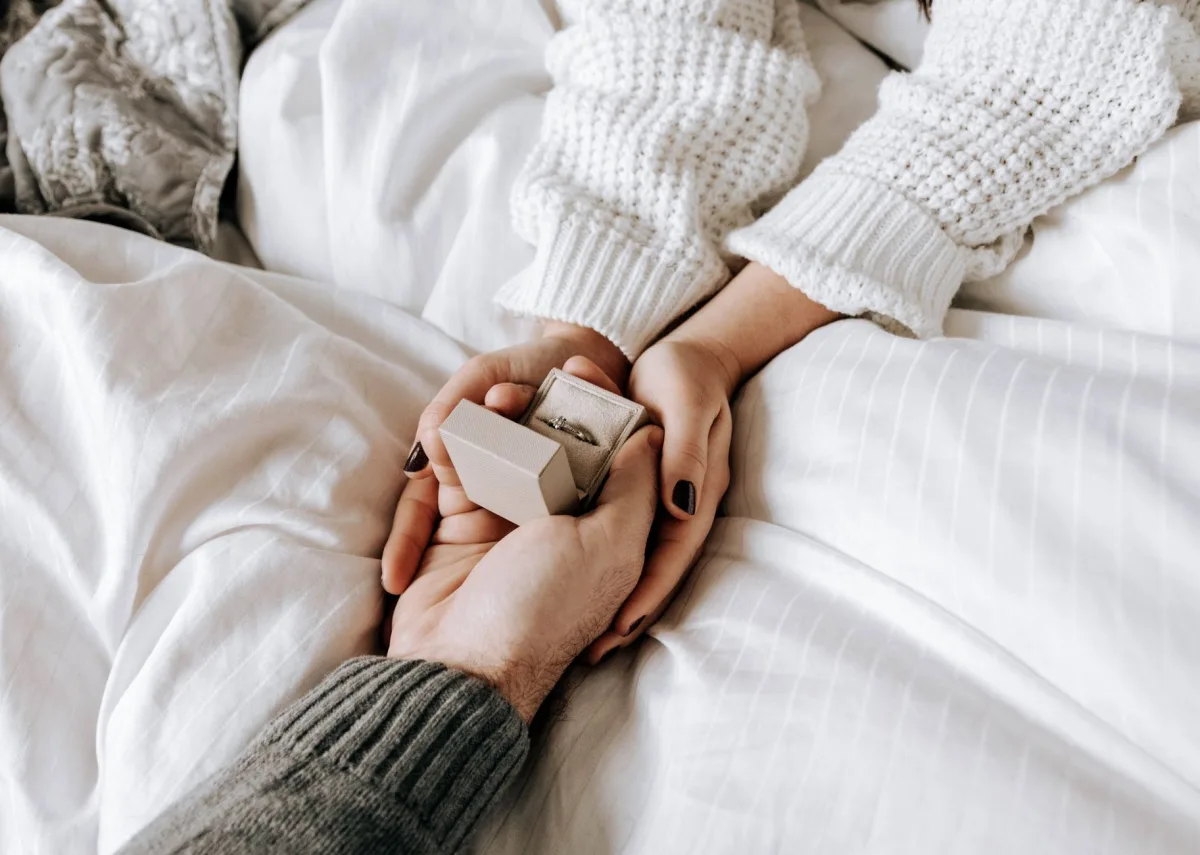
A safer path than guessing is to bring the future partner into the choice. Surprise the person with the proposal if you like, but consider choosing the ring together, or proposing with a simple placeholder and shopping for the real one as a couple. A ring is worn every day for decades; it should reflect the wearer, not only the giver's idea of a surprise.
Choosing a style of proposal that fits you
There is no single correct way to propose. The best style is the one that suits the more private of the two people involved, because a proposal is a gift to them, not a performance for an audience. Here are the main approaches, each of which has made countless people very happy.
The private ask
Just the two of you, at home or somewhere quiet that means something. Intimate, low pressure, and the most common choice for people who dislike a spotlight.
The public celebration
A proposal in front of family or friends, sometimes rolling straight into a party. Wonderful for extroverts, risky for anyone who would feel cornered.
The meaningful location
Where you met, a first-date spot, a favourite view. The place does the emotional work, so the words can stay simple.
The two-way conversation
No ambush at all: a shared decision made together, with the ring and the moment planned as a couple. Increasingly popular and entirely valid.
The family-first proposal
In many cultures the families are involved before or alongside the couple, and the proposal is a joining of two families as much as two people.
The documented moment
A hidden photographer or a planned recording. Lovely to keep forever, but only if your partner would enjoy being photographed in a raw, emotional moment.
The conversation that should come first
The most important part of any proposal happens before it: the honest conversation about a shared future. A proposal should never be the first time your partner learns that you want to marry them, or the first time the two of you discuss money, children, where you would live, and what marriage means to each of you. These are the questions that actually decide whether a marriage will work, and a ring cannot answer any of them.
Talk about the big things while there is no pressure to perform. Do you both want children, and roughly when? How do you each handle money, debt and saving? Whose career or family might require a move? What role will faith and extended family play? Couples who align on these before the proposal are simply confirming a plan they have already built. If you are exploring these deeper questions, our guides to making a marriage work and to the marriage ceremony itself are useful next reads.
Reading the moment: timing, consent and the yes
Timing matters more than spectacle. A proposal lands best when both people are relaxed, present and not exhausted, stressed or distracted by a hard week. There is no perfect calendar date; there is only a moment when the person can actually take it in. Resist the urge to attach the proposal to a stressful public event where a no would be humiliating for both of you, precisely because public pressure can make a genuine yes harder to give.
On the words themselves, keep them honest rather than scripted. You do not need a speech. A few sincere sentences about why you want to build a life together will always beat a memorised paragraph delivered through nerves. And remember that consent runs both ways: a proposal is a question, and the other person is allowed to need time, to ask questions back, or to say that the moment is not right yet. A thoughtful yes is worth far more than a startled one.
After the yes: what happens next
The proposal ends and the engagement begins, and this is where the real planning starts. There is no rule that the wedding must follow quickly; engagements range from a few months to a few years. Use the time to tell the people who matter, to decide together what kind of wedding you actually want, and to keep talking about the practical foundations of married life. Many couples find a good matchmaking or matrimony service, including matrimony360, useful earlier in the journey, when they are still searching for the right partner, rather than at the proposal stage.
From here the road forks into the happy logistics of an engagement: rings, announcements, families and, eventually, the wedding. If you want to look further down that road, our overviews of getting married and of life as a newly married couple pick up exactly where the proposal leaves off, and our broader guide to the wedding covers the celebration itself.
Frequently asked questions
Who is supposed to propose?
Traditionally the man proposed to the woman, but that convention is a custom, not a requirement, and it is steadily loosening. Anyone can propose to anyone in a modern relationship, and in some cultures the leap year custom explicitly reverses the usual roles. What matters is not who kneels but that both people genuinely want the marriage. The proposal is simply the chosen moment to say so out loud.
Do you have to propose with a ring?
No. A ring is a popular and meaningful custom in many cultures, but it does not make a proposal valid or real. Plenty of couples propose without one, choose a ring together afterwards, use a family heirloom, or mark the commitment in another way. If a ring feels right for you both, wonderful. If it does not, the proposal loses none of its meaning by leaving it out.
How much should you spend on an engagement ring?
Spend an amount you can comfortably afford without starting married life in debt. The old "two or three months' salary" guideline is not a rule at all: it originated in jewellery advertising. A better method is to set a budget first and then find the most beautiful ring within it, ideally one that suits the wearer's taste rather than simply the largest stone you can reach. The commitment matters far more than the price.
What is the leap year proposal tradition?
It is a custom, associated in Irish legend with Saint Brigid and Saint Patrick, that on the 29th of February a woman may propose to a man. Sometimes called Bachelor's Day, it once served as a light-hearted exception to the usual expectation that men did the proposing. Today it is mostly a piece of folklore, but it is a useful reminder that the "rules" around proposing are cultural habits rather than fixed laws.
Should you ask the family before proposing?
That depends entirely on your cultures and on your partner's wishes. In many communities involving the families early is expected and welcomed, and the proposal is understood as a joining of two families. In others it is optional or even seen as old-fashioned. The safest approach is to know your partner's values: some people would be delighted, others would feel their own choice was bypassed. When in doubt, ask them what they would want.
What should you actually say when you propose?
Keep it honest and short. You do not need a rehearsed speech, and nerves rarely deliver one well anyway. A few sincere sentences about why you want to spend your life with this specific person, ending in a clear question, is more moving than any script. The words are there to express a decision you have already made together, so let them be simple, personal and true rather than perfect.