Newton Hall: The Complete Guide
The history, architecture and coastal setting of the Northumberland country house, plus honest disambiguation of the shared name.
Search "Newton Hall" and you will find more than one place answering to the name, but for couples the one that keeps coming up is the coastal country house on the Northumberland coast, a Grade II* listed hall by the North Sea that now hosts weddings. This complete guide covers what Newton Hall actually is, its history and architecture, why its setting appeals to couples, and the practical questions worth asking before you book. It also clears up the confusion around the name, because getting the right Newton Hall is the first step to planning the right day.
The short version
- The best-known wedding Newton Hall is in Northumberland. A late 18th-century country house at High Newton-by-the-Sea, overlooking the North Sea.
- It is a Grade II* listed building. Built of pink sandstone with a Scottish slate roof, it carries genuine heritage status.
- The name is shared. Several unrelated places across England are also called Newton Hall, so confirm which one you mean before you enquire.
- Verify current details directly. Capacity, packages and prices change, so treat this as background and confirm specifics with the venue in writing.
Which Newton Hall do you mean?
Before anything else, an honest word on the name. "Newton Hall" is not unique. There are places called Newton Hall in several parts of England, including more than one in Northumberland alone, as well as residential and civic uses of the name elsewhere. When couples talk about Newton Hall as a wedding venue, they almost always mean the coastal country house at High Newton-by-the-Sea. If you are researching, make sure every review, photograph and price you read refers to that same property, or you will end up comparing places that have nothing to do with each other.
The simplest way to be certain is to check the exact location and the listed-building details against what the venue itself publishes. Once you know you are looking at the right Newton Hall, everything else in your research lines up. Throughout this guide, "Newton Hall" means the Northumberland coastal house unless stated otherwise.
The history behind Newton Hall
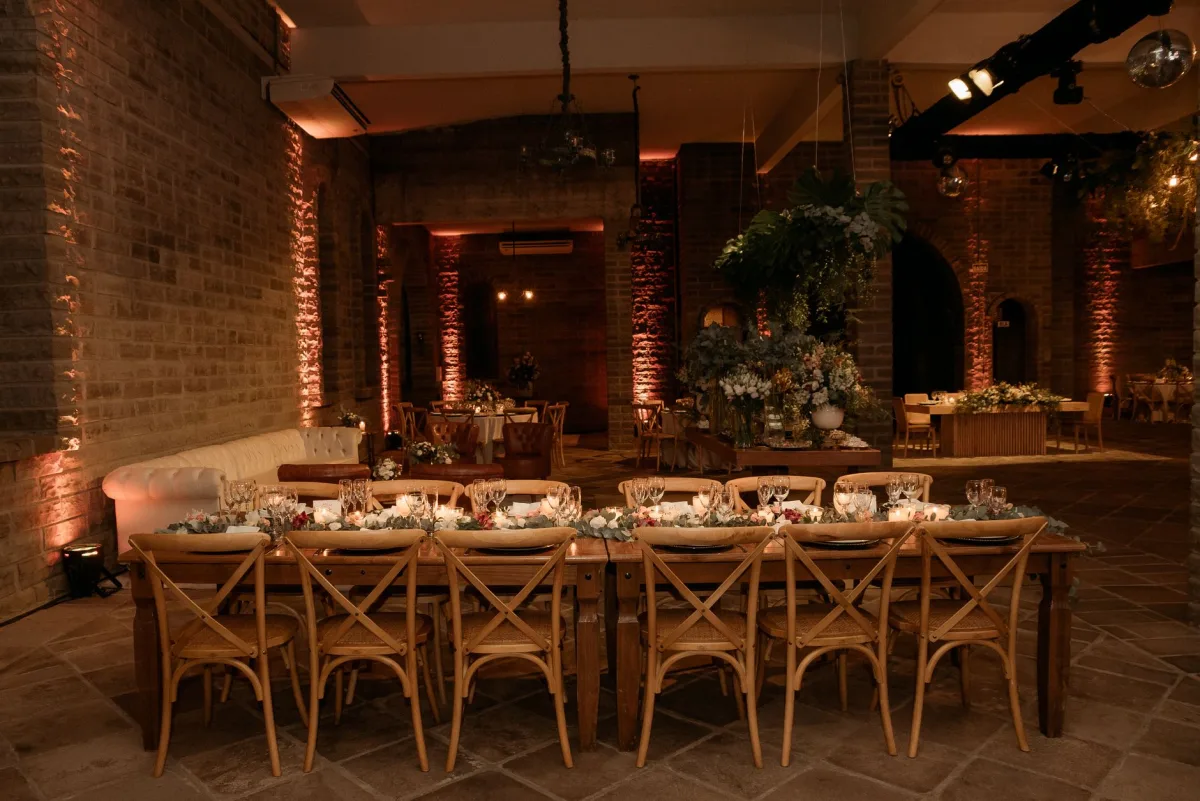
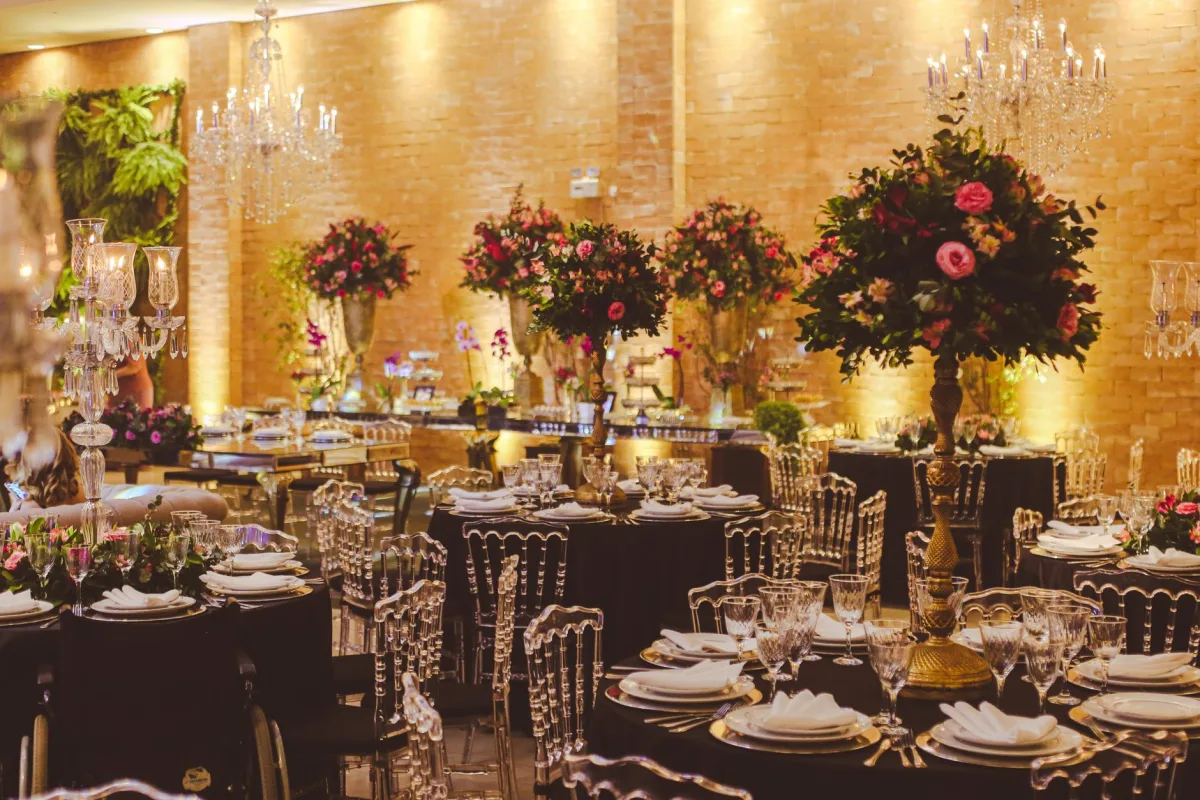
Newton Hall is a late 18th-century country house, built as a private residence rather than a purpose-built venue. It was constructed for the physician Joseph Forster, and the design is attributed to the Newcastle architect William Newton, who lived from 1730 to 1798 and left his mark on a number of buildings across the north-east of England. That Georgian origin gives the hall the proportions and presence that photograph so well in wedding pictures: symmetry, generous rooms and a sense of quiet grandeur.
The house remained a country residence for generations before it moved into hospitality use, a common path for heritage properties whose upkeep is easier to justify when they earn their keep. Today it operates as a boutique hotel and wedding venue, hosting civil ceremonies and receptions on the estate. That combination, a genuinely old house running as a modern venue, is exactly what many couples are after: history with the comforts and coordination of a working hospitality business behind it.
Architecture and listed status
Newton Hall is a listed building at Grade II*, added to the National Heritage List for England on 10 January 1953. In the English system, Grade II* marks a building as particularly important and of more than special interest, a step above the standard Grade II that covers the majority of listed structures. That status is a real signal of architectural and historic value, and it is part of what makes the hall feel special rather than merely large.
Pink sandstone ashlar
The hall is built of finely cut pink sandstone ashlar, giving it a warm, distinctive stone colour that softens beautifully in coastal light.
Scottish slate roof
The roof is Scottish slate, a durable traditional material well suited to the exposed north-east coast.
Grade II* listed
Listed on 10 January 1953 as a building of more than special interest, a recognition of its Georgian design and historic value.
Georgian country house
Late 18th-century proportions and layout, built as a home for a physician and attributed to architect William Newton.
The setting: the Northumberland coast
Location is a large part of Newton Hall's appeal. It stands at High Newton-by-the-Sea, overlooking the North Sea coastline, on a stretch of Northumberland known for wide beaches, big skies and a quieter kind of beauty than the more crowded coasts further south. For couples who want their photographs to feel truly of a place, the combination of a heritage house and dramatic coastline is hard to beat.
A coastal setting also shapes the planning. Sea air, wind and changeable weather are part of the package, so a venue like this earns its keep by pairing the outdoor drama with solid indoor spaces for when the North Sea has other ideas. If a coastal or open-air ceremony is your dream, our guide to choosing an outdoor wedding venue covers the wet-weather and logistics questions that matter most when the setting is exposed.
Why couples choose a house like Newton Hall
Newton Hall belongs to a category couples increasingly seek out: the exclusive-use country house that doubles as somewhere to stay. The draw of that model is straightforward. You get the run of a beautiful, historic building for your celebration, with accommodation on hand so the wedding can stretch across an evening and a morning rather than ending with a scramble for taxis. It is intimate, private, and it turns the wedding into a gathering rather than a single hectic afternoon.
That kind of venue tends to suit couples who value atmosphere and togetherness over sheer scale, and who like the idea of one place handling ceremony, reception and rooms. If that appeals, it is worth comparing against similar options in our guides to all-inclusive wedding venues and wedding venues more broadly, so you can see how a heritage house measures up against other formats before you commit.
Planning a wedding at Newton Hall
Because packages, capacities and prices at any venue change over time, treat this section as a checklist of what to confirm rather than a set of fixed facts. When you enquire, ask the venue directly and get the answers in writing. The questions below apply to Newton Hall and to any heritage country-house venue you consider.
- Exclusive use and dates. Do you get sole use of the house and grounds, for how long, and which dates are available for your year?
- Capacity. The seated dinner number and the ceremony number, which can differ, plus how many can be accommodated overnight on site.
- Ceremony options. Which spaces are licensed for a legal civil ceremony, and what the outdoor and wet-weather options are given the coastal setting.
- What is included. Catering, staff, coordination, accommodation and styling, and where the boundaries of the package sit.
- Accessibility. As a listed Georgian building, how it handles step-free access and guests with limited mobility.
- The small print. Deposit and cancellation terms, minimum numbers, and whether wedding insurance is required.
Keep those answers together as you gather them; our wedding planning checklist is a good place to log them so nothing slips through. Matrimony360 keeps guides across venues, catering and styling, so once Newton Hall is booked you can plan the rest of the day from one place.
Frequently asked questions
Where is Newton Hall?
The Newton Hall most couples mean as a wedding venue is at High Newton-by-the-Sea in Northumberland, England, overlooking the North Sea coastline. Be aware that the name Newton Hall is shared by several unrelated places across England, including more than one in Northumberland, so always confirm you are looking at the coastal country house and not a different property with the same name.
How old is Newton Hall and who built it?
It is a late 18th-century country house, built as a private residence for the physician Joseph Forster. The design is attributed to the Newcastle architect William Newton, who lived from 1730 to 1798. The house was a country residence for generations before moving into use as a hotel and wedding venue.
Is Newton Hall a listed building?
Yes. Newton Hall is listed at Grade II* on the National Heritage List for England, added on 10 January 1953. Grade II* marks a building as particularly important and of more than special interest, a step above standard Grade II. It is built of pink sandstone ashlar with a Scottish slate roof.
Can you get married at Newton Hall?
Yes, it operates as a boutique hotel and wedding venue, hosting civil ceremonies and receptions on the estate. Exact licensed ceremony spaces, capacities, packages and prices change over time, so confirm the current details directly with the venue in writing rather than relying on any single online source.
Why are there several places called Newton Hall?
"Newton" is a very common English place name, so buildings called Newton Hall appear in multiple counties, with more than one in Northumberland alone. They are unrelated to each other. When researching a wedding venue, check the exact location and the listed-building details to be sure every review, photograph and price you read refers to the same property.