Platinum Wedding Rings: The Complete Guide
Naturally white, hypoallergenic and durable: what platinum really offers, how it compares with white gold, and what it costs.
Platinum is the metal people reach for when they want a wedding ring to last a lifetime without fuss. It is naturally white, so it never needs to be coated to look bright; it is dense and durable, so it holds stones with quiet strength; and it is kind to sensitive skin. It is also heavier on the finger and heavier on the wallet than gold, and it wears in a way that surprises people who expect it to stay mirror-bright forever. This guide explains what platinum actually is, why it behaves the way it does, how it really compares with white gold, what it costs and why, and how to care for it, so you can decide whether it is the right metal for your rings.
The short version
- Platinum is naturally white, so unlike white gold it never needs re-plating to stay bright.
- It develops a patina, a soft matte sheen, rather than losing metal. Many owners love it; some polish it back.
- It is hypoallergenic and durable, making it a superb, secure setting for precious stones.
- It costs more than gold, being denser and used at higher purity, so a platinum ring weighs and prices higher.
What platinum is
Platinum is a dense, malleable, naturally silvery-white precious metal, and it is genuinely rare, far scarcer in the earth's crust than gold. In jewellery it is used at high purity, typically around 95 percent platinum, which is much purer than the gold in a ring: an 18-karat gold ring is only 75 percent gold, and a 14-karat ring 58 percent. That purity is part of why a platinum ring feels substantial and why it is so gentle on the skin. As one of the noble metals it resists corrosion and tarnish and simply does not react the way base metals do.
For a broad view of how platinum sits alongside gold, titanium and the other options, our pillar on wedding rings compares all the metals side by side. This guide zooms in on platinum specifically, because its properties are distinctive enough to deserve their own explanation.
Why platinum behaves the way it does
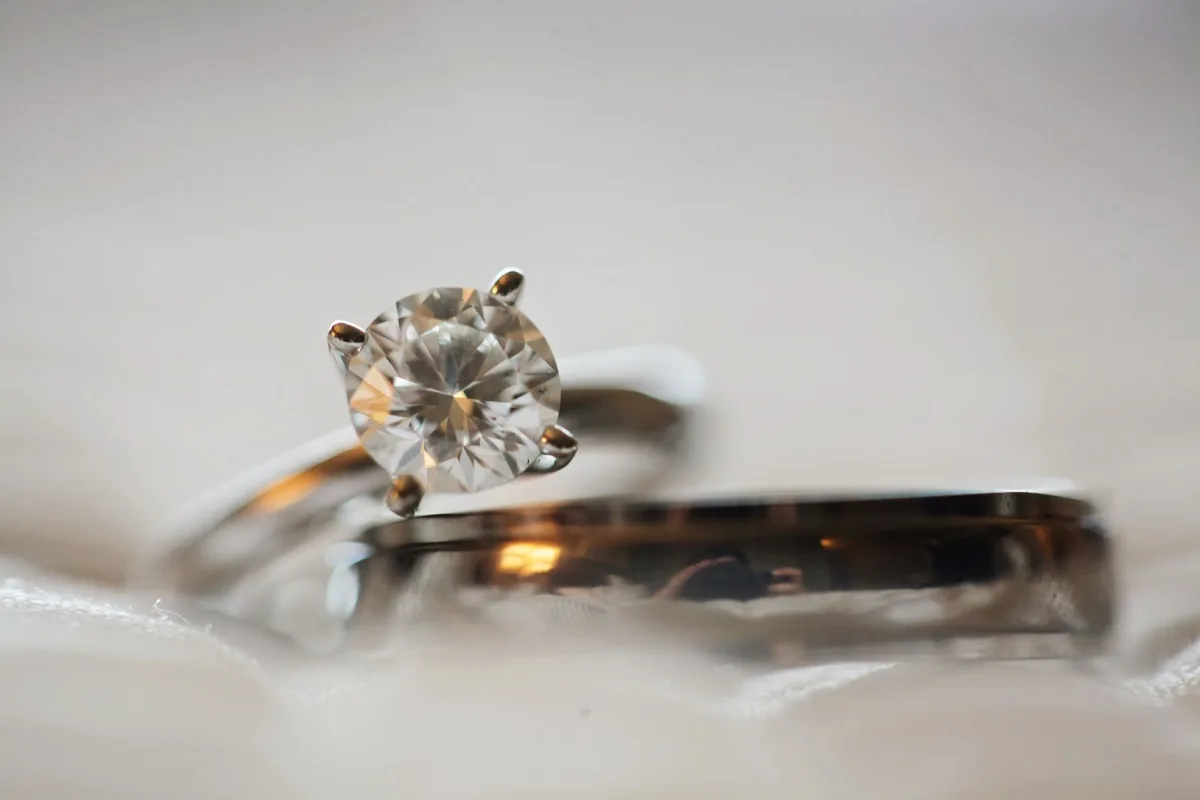
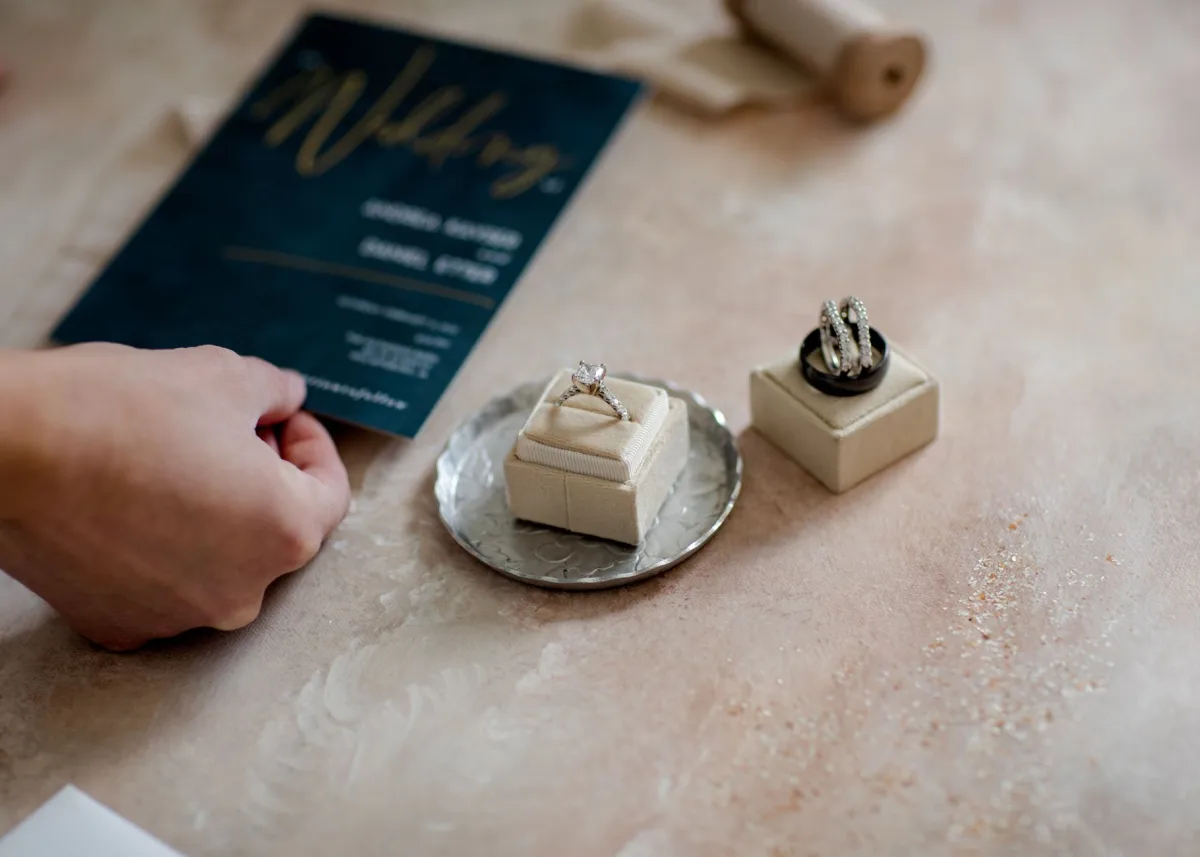
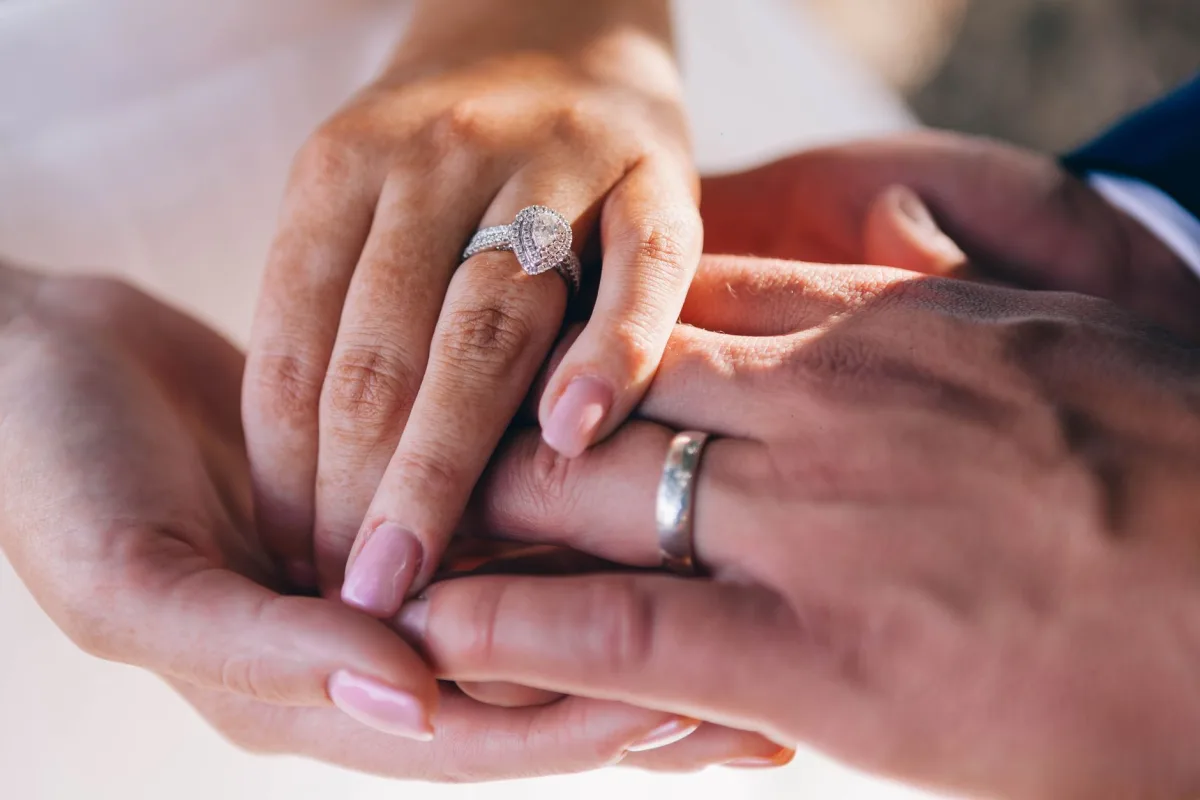
Three physical facts explain almost everything people notice about a platinum ring. First, it is naturally white all the way through, so it needs no coating to look bright. Second, it is dense, which makes it heavy and gives it a reassuring weight. Third, it is high purity, which makes it hypoallergenic. Understanding these removes most of the confusion around the metal.
Naturally white
The colour is inherent to the metal, not a plated finish, so it will never fade to a yellowish tint or need re-coating the way white gold does.
Durable and secure
Dense and tough, platinum holds gemstones firmly. Its prongs bend rather than snap, so it is prized for keeping precious stones safe over decades.
Hypoallergenic
Its high purity means very little of the alloying metals that trigger skin reactions, making it ideal for sensitive skin.
Develops a patina
With wear it takes on a soft, matte, satiny sheen rather than losing metal. This is displaced, not worn away, and can be polished back to a mirror shine.
The patina is the one property that catches people off guard, so it is worth being clear. Platinum does not stay flawlessly shiny with daily wear; instead it develops a gentle matte finish as the surface is displaced by tiny scratches. Crucially, the metal is not lost, only moved, which is why a platinum ring keeps its weight for a lifetime. Many owners come to love the soft, lived-in look; those who prefer the original shine can have a jeweller polish it back at any time.
Platinum versus white gold
This is the comparison almost every buyer of a white ring faces, because the two metals look nearly identical in the shop yet behave very differently over the years. White gold is gold alloyed with white metals and then almost always plated with rhodium to give it a bright white surface. That plating is a coating, and it wears off over time, so white gold needs periodic re-plating to stay bright, and as the plating wears the warmer gold tone underneath begins to show through.
- Colour over time. Platinum is white forever with no maintenance; white gold needs re-plating every so often to hold its bright finish.
- Weight. Platinum is noticeably heavier and denser, which some love and others find a lot on the finger.
- Skin sensitivity. Platinum's high purity makes it the safer choice for reactive skin; white gold's alloys, sometimes including nickel, can trigger reactions in some people.
- Cost. Platinum costs more, both because more of it is used at higher purity and because it is denser, so an identical ring weighs and prices higher in platinum.
- Wear. White gold is harder on the surface and resists scratching a little better; platinum scratches into a patina but does not lose metal.
Neither is simply "better." If you want a bright white ring with no upkeep and the kindest option for sensitive skin, and you do not mind the weight or the price, platinum wins. If you want the same look at a lower price and do not mind occasional re-plating, our guide to white gold wedding rings makes that case in full.
What platinum costs, and why
A platinum ring almost always costs more than the equivalent gold one, and there are two honest reasons rather than one. The first is purity: jewellery platinum is around 95 percent pure, where 18k gold is 75 percent and 14k is 58 percent, so you are buying a higher proportion of precious metal. The second is density: platinum is significantly heavier than gold, so the same ring design contains more grams of metal. Add the fact that platinum is rarer and harder to work, and the higher price follows naturally.
That said, exact figures move with the metals markets and with the design, so treat any quoted number as a snapshot rather than a fixed truth. A plain platinum band is a very different price from a heavy, stone-set one, and market prices for platinum and gold rise and fall independently, so which metal is "dearer" can shift over time. As a rule of thumb, expect a platinum ring to sit above a comparable gold one, and weigh that premium against the lifetime of no re-plating and the security of the setting. For a metal that gives a similar cool, grey-white look at a far lower price, titanium is worth a look; our guide to titanium wedding rings covers where it wins and where it does not.
Who platinum suits best
Platinum is not the right answer for everyone, and matching it to the wearer saves both money and regret. It is an outstanding choice in a few specific cases.
- People with sensitive skin. Its purity makes it the safest mainstream metal for anyone who reacts to alloys.
- Those setting precious stones. Platinum's strength and the way its prongs bend rather than break make it the classic secure home for a valuable diamond.
- Anyone who hates maintenance. If the idea of re-plating a ring every couple of years irritates you, platinum's permanent whiteness is the fix.
- People who like weight. If a substantial ring feels more valuable and reassuring to you, platinum delivers that heft.
It suits an oval or other fancy-shaped diamond particularly well, since the cool white metal keeps the eye on the stone; our guide to oval wedding rings pairs naturally with a platinum setting. If, on the other hand, you love a warm traditional look or want to keep costs down, yellow or rose gold wedding rings may serve you better, and there is no shame in choosing the metal that fits your budget and taste.
Caring for a platinum ring
Platinum is refreshingly low-maintenance, but a little care keeps it at its best. Clean it occasionally in warm water with a drop of mild soap and a soft brush, which lifts the everyday film that dulls any ring. Decide how you feel about the patina: if you love the soft matte look it develops, simply let it be; if you prefer the original mirror shine, have a jeweller polish it periodically, remembering that polishing only redistributes the surface rather than removing metal. Take the ring off for heavy manual work to avoid deep scratches, and have any stone-set ring's setting checked every year or so, because even platinum's strong prongs benefit from a professional eye. Insure a valuable ring and keep the paperwork. Looked after this simply, a platinum ring genuinely lasts a lifetime, which is the whole reason people choose it.
The bottom line
Platinum is the low-fuss, long-haul choice among wedding ring metals. Its natural whiteness means no re-plating, its purity makes it the safest option for sensitive skin, and its strength makes it a superb, secure setting for precious stones. The trade-offs are honest: it is heavier and it costs more than gold, and it develops a soft patina rather than staying mirror-bright, though that patina keeps its weight and can be polished back. If a ring you can put on and largely forget, in a cool white metal that will still be white in fifty years, is what you are after, platinum earns its premium.
Frequently asked questions
Is platinum better than white gold for a wedding ring?
Neither is universally better; they suit different priorities. Platinum is naturally white and never needs re-plating, is kinder to sensitive skin thanks to its high purity, and holds stones very securely, but it is heavier and costs more. White gold gives the same look at a lower price and resists surface scratching a little better, but it is plated with rhodium that wears off and needs periodic re-plating. Choose platinum for low maintenance and sensitive skin, white gold for lower cost.
Why does platinum cost more than gold?
Two reasons. First, jewellery platinum is used at around 95 percent purity, whereas 18k gold is 75 percent and 14k is 58 percent, so you are buying more precious metal. Second, platinum is denser and heavier, so the same ring design contains more grams of it. Platinum is also rarer and harder to work. Together these push a platinum ring above the price of a comparable gold one, though exact figures move with the metals markets.
Does platinum scratch or lose its shine?
Platinum develops a patina, a soft matte sheen, as tiny scratches displace the surface with wear. Importantly, the metal is not lost, only moved, so the ring keeps its weight for life. Many owners love the lived-in look; those who prefer the original mirror shine can have a jeweller polish it back at any time. This is different from white gold, whose plating actually wears away and needs replacing.
Is platinum good for sensitive skin?
Yes, it is one of the best metals for it. Platinum is used at high purity with very little of the alloying metals, such as nickel, that commonly trigger skin reactions, which makes it hypoallergenic and a reliable choice for anyone whose skin reacts to other jewellery metals.
How do I care for a platinum ring?
Clean it occasionally in warm water with mild soap and a soft brush. Decide whether you like the patina it develops, letting it be if you do or having it polished back if you prefer the shine, since polishing only redistributes the surface rather than removing metal. Take it off for heavy manual work, and have any stone setting checked by a jeweller once a year or so. It is a low-maintenance metal that lasts a lifetime with minimal effort.