Royal Banquet Hall: The Complete Guide
What the grand style really means, what to expect inside, who it suits and who it does not, and how to judge the premium on value before you book.
"Royal banquet hall" is a name you will see again and again while venue hunting, because it is one of the most popular labels for a certain kind of space: a large, formal, richly dressed hall built for grand receptions. The name is a style promise more than a specific building, and understanding what that promise usually delivers, and what it usually costs, is the difference between booking a hall that lives up to the word and paying a premium for chandeliers you did not need. This guide unpacks the whole category so you can judge any hall wearing the name.
The short version
- "Royal" is a style, not a standard. The name signals grandeur and gold, but you still have to check the substance behind it.
- You pay for the finish and the service. Chandeliers, drapery and full staffing are the real cost, so make sure you want them.
- Grand rooms suit grand guest counts. A large ornate hall can swallow a small wedding and make it feel sparse.
- Judge the package, not the decor. Inclusions, catering rules and timing decide value far more than the ceiling does.
What "royal banquet hall" really means
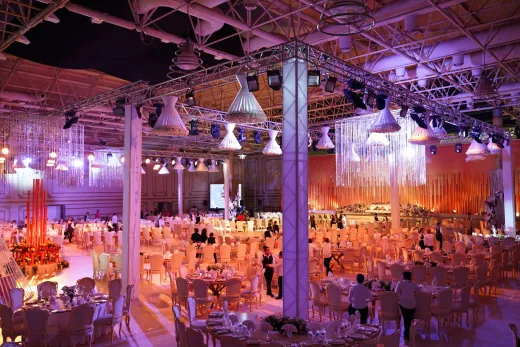
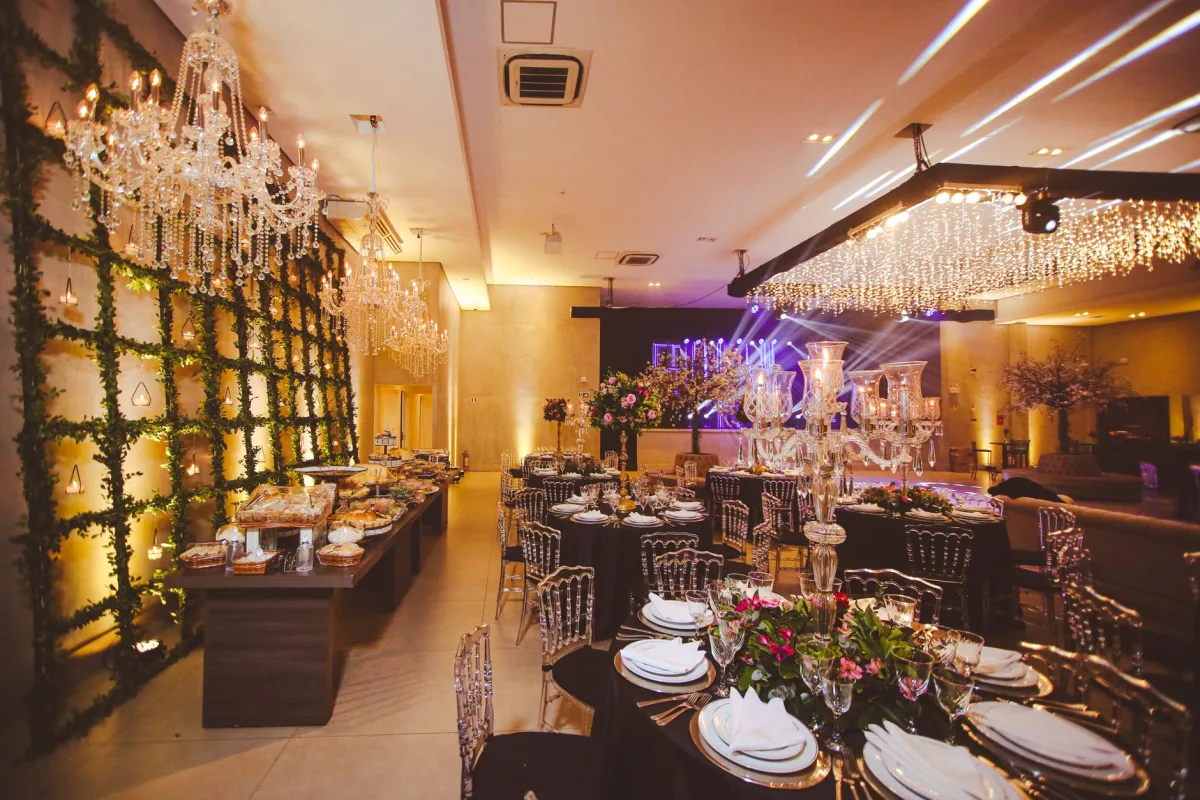
A banquet hall is a purpose-built space for large seated events, usually with in-house catering and staff. The word "royal" tacked in front is a marketing signal, not a legal grade: it tells you the hall aims at the ornate, formal end of the market, the sort of room styled to feel palatial. Expect chandeliers, draped ceilings, a raised stage or head-table area, ornate columns and a colour palette heavy on gold, ivory and deep jewel tones. The look borrows from the grand ballroom tradition.
What "royal" does not guarantee is quality, value or service, because any hall can adopt the name. Two halls both called "Royal" can be worlds apart in how they are run, what they include and what they charge. So treat the word as a description of the intended style and then check everything else on its own merits, exactly as you would for a plainly named hall. The name raises expectations; your job is to confirm the substance meets them. Our broader pillar on wedding halls sets this style in the context of every other option.
What to expect inside
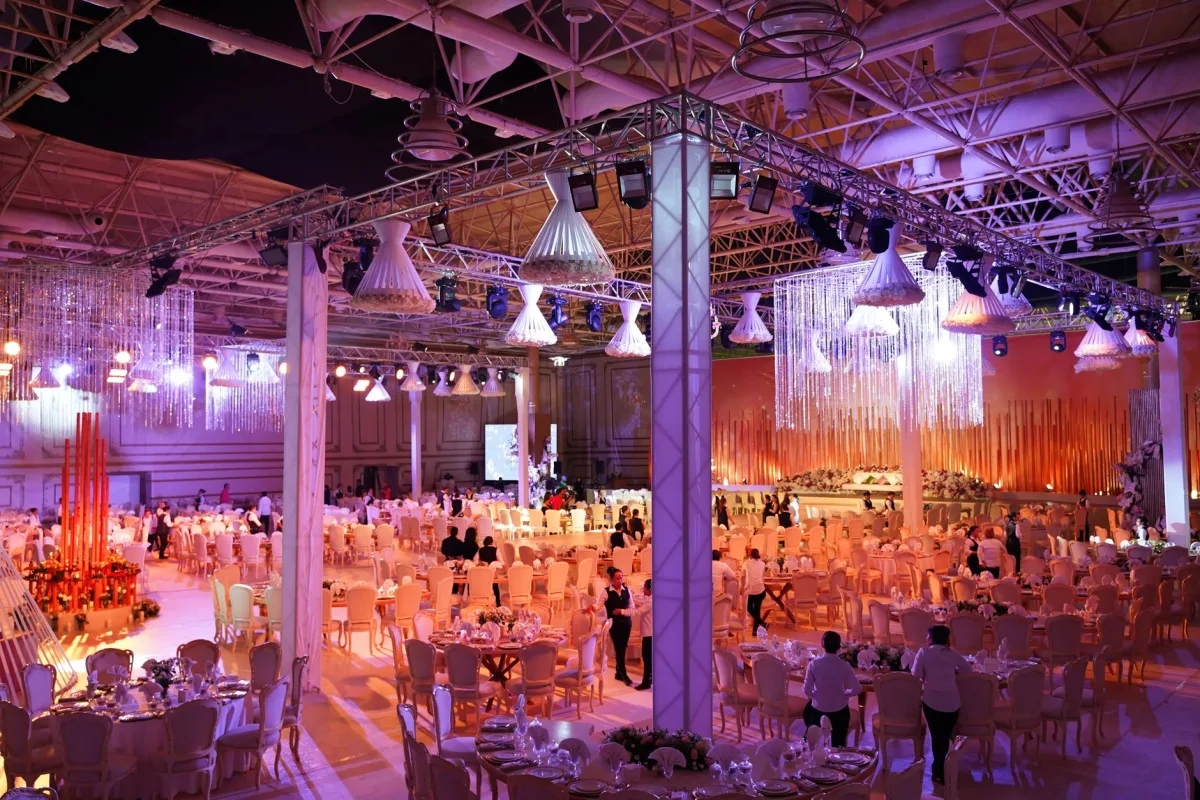
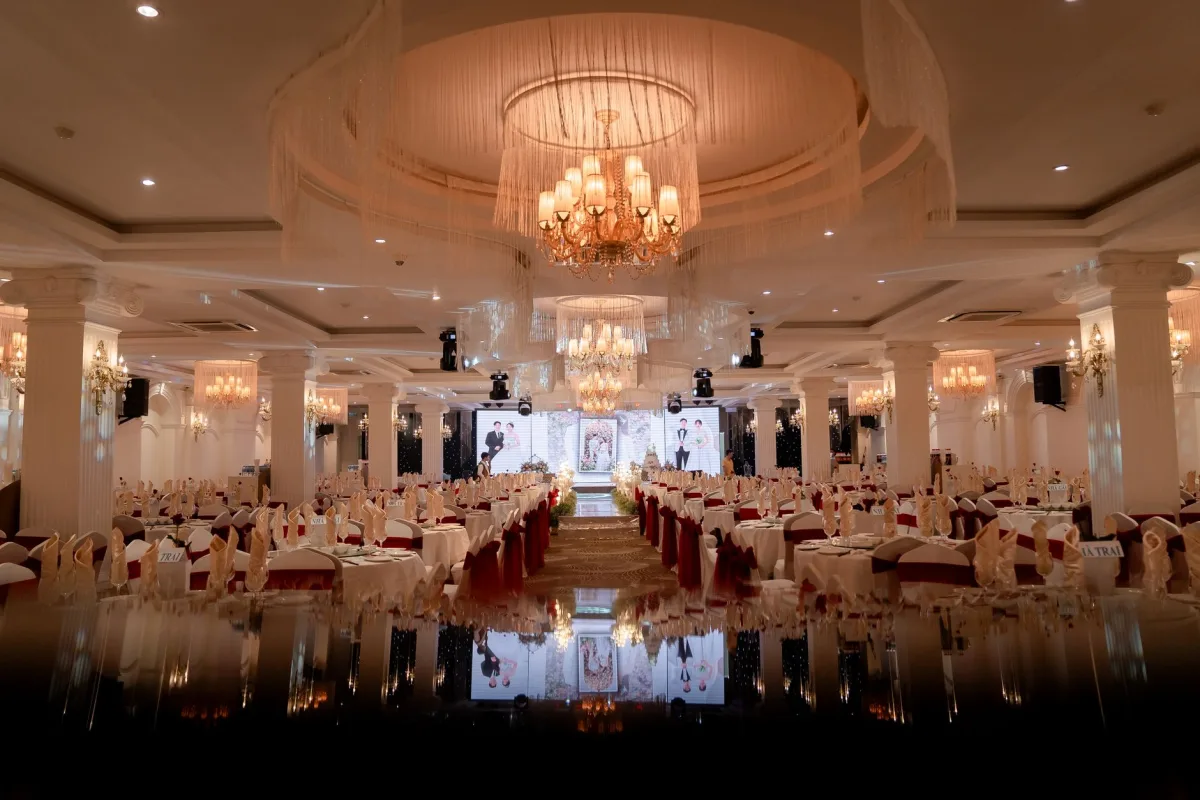
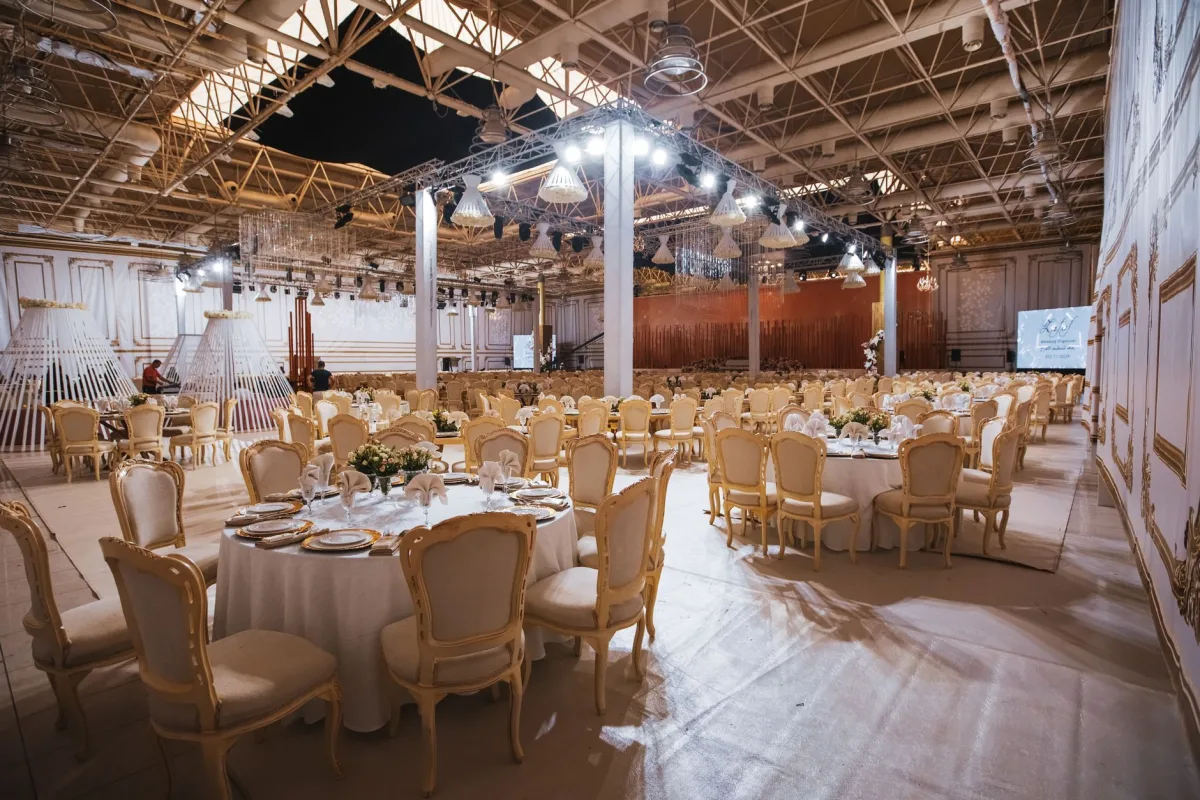
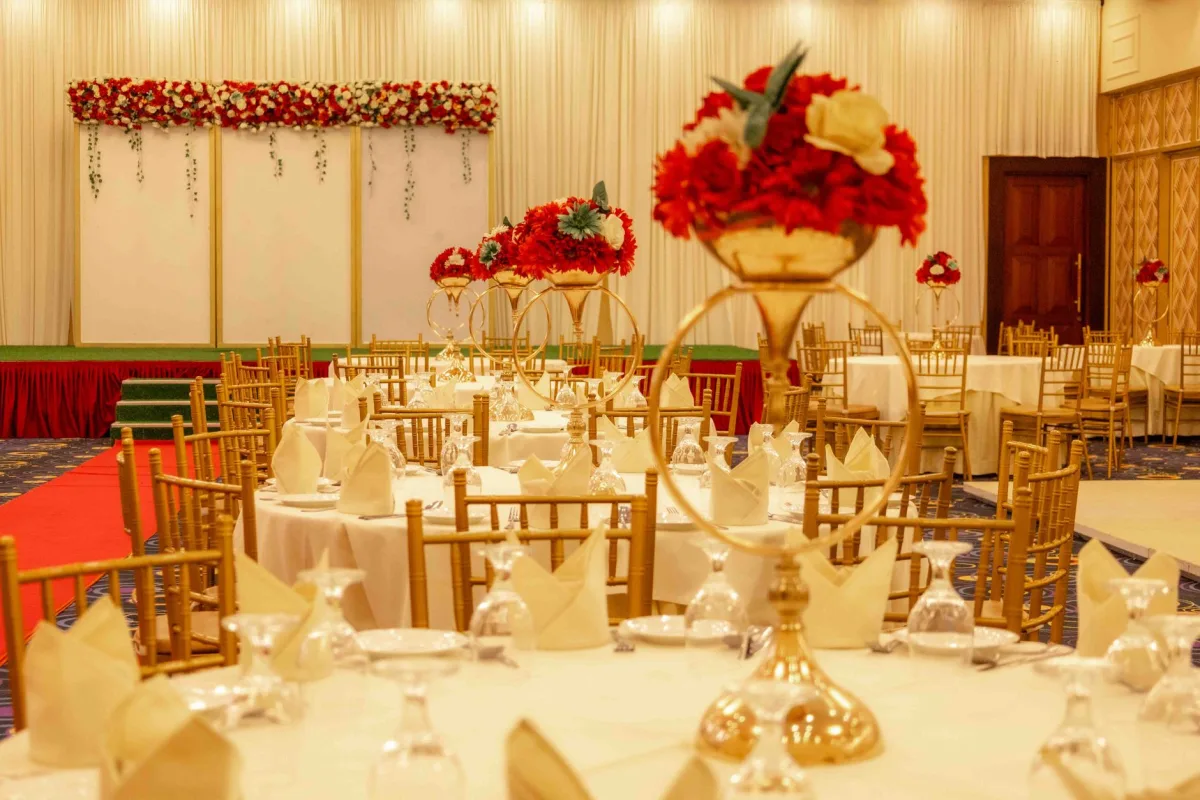
A hall in this category usually leans on a recognisable set of features. Knowing them helps you tell a genuinely well-appointed room from one that has simply borrowed the vocabulary.
Statement lighting
Chandeliers and layered lighting are the signature. Well-designed lighting flatters guests and photographs beautifully; check it can be dimmed for the evening, not just blazing bright.
A stage or dais
A raised area for the couple, common in South Asian and formal receptions. Confirm its size, position and sightlines from the tables at the back.
Ornate finishes
Columns, drapery, moulded ceilings and rich carpet. Beautiful, but check they are in genuinely good repair up close, not just flattering from a distance.
Full service staffing
Waiting staff, a coordinator and setup crew usually come with the territory. This is much of what you are paying for, so confirm exactly who is included.
The tell of a good hall in this bracket is that the grandeur holds up close. Photographs are shot to flatter, so the visit is where you check that the drapery is clean, the chandeliers are complete, the carpet is unworn and the finishes are maintained rather than tired. A hall that dazzles in a brochure but disappoints in person is charging royal prices for a faded room.
Who a grand hall suits, and who it does not
An ornate banquet hall rewards a particular kind of wedding and works against others, and matching your event to the room saves both money and disappointment. These halls suit large, formal wedding receptions with high guest counts, especially the big multi-hundred celebrations common in South Asian and other grand traditions, where the scale of the room matches the scale of the party and a stage is genuinely useful.
They suit couples less well when the guest list is small. A vast, ornate room built for three hundred can make a wedding of eighty feel thin and lost, no matter how beautiful the space, because empty tables and long stretches of unused floor read as sparse in photographs and in the atmosphere. If your celebration is intimate, a smaller room dressed warmly will feel fuller and more special than a grand hall running at a third of its capacity. Be honest about your numbers before you fall for the chandeliers, and if intimacy is the goal, our guide to small wedding venues points to spaces that suit it better.
Understanding the cost
A hall marketed as "royal" usually sits at the premium end of the price range, and it helps to know what that premium is actually buying. Most of it is not the room itself but the finish and the service: the chandeliers, drapery and ornate decor you can see, plus the full staffing, coordination and in-house catering you may not have itemised. When those things matter to you, the premium is fair value. When they do not, you may be paying for grandeur you will barely notice.
As with any banquet hall, the headline hire fee is the least reliable number in the quote, because these halls almost always bundle catering and service. The figure that matters is the all-in cost for your guest count once the per-head catering, the bar, any decor upgrades and extras are added. A grand hall that includes everything can represent better value than a plainer hall that charges each piece separately, even though its sticker price looks higher. Price it properly before you judge it. Our wedding budget checklist gives you a single list to total every hall the same way.
Watch the specific levers that move a premium hall's bill: mandatory in-house catering fixes your per-head price with no room to shop around; a minimum guest count or minimum spend can make a small wedding surprisingly expensive per head; and decor that looks included in the photos may be a chargeable upgrade. Ask what is standard and what costs extra before the grandeur clouds your judgement.
How to choose a royal banquet hall well
Choosing well in this category means resisting the decor long enough to check the substance. Start from your guest count and budget, because together they tell you whether a grand hall is even the right shape for your wedding. If your numbers are large and formal, shortlist a few halls in the style; if they are small and relaxed, a grand hall may be the wrong instinct entirely.
On the visit, look past the chandeliers. Ask for the comfortable seated capacity with a stage and dance floor, confirm exactly what the fee includes and excludes, pin down the catering and bar rules and any minimum spend, and read the licensed end time and overrun policy. Check the finishes up close, sit at a back table to test the sightlines to the stage, and if you can, visit while another wedding is set up so you see the room full and working rather than styled and empty.
Then decide on value, not on awe. The best hall in this bracket is the one whose grandeur is genuine, whose package includes what you need, whose rules you can live with, and whose all-in cost fits your budget for your real guest count. If a hall clears all of those, the royal name is earned and the booking is sound. If it clears only the photographs, keep looking, because a grand room is only a bargain when you would have wanted every piece of the grandeur anyway. For a nearby comparison and a fuller category view, our overview of banquet halls and our guide to wedding reception venues are the natural next reads.
Frequently asked questions
What is a royal banquet hall?
It is a banquet hall marketed at the grand, formal end of the market, typically featuring chandeliers, drapery, ornate finishes, a stage or dais and full in-house service. "Royal" describes the intended style rather than any official standard, so any hall can use the name. Treat it as a promise of grandeur to be verified on a visit, not a guarantee of quality or value on its own.
Is a royal banquet hall more expensive than a normal one?
Usually yes, because you are paying for the ornate finish and the full service as well as the room. Much of the premium goes on chandeliers, drapery, decor and staffing rather than the floor space itself. Whether that premium is worth it depends on whether you want those features. Compare the all-in cost for your guest count, not the headline hire fee, since a grand hall that includes catering and service can be fair value despite a higher sticker price.
Is a grand hall a good idea for a small wedding?
Often not. A large ornate hall built for hundreds can make an intimate wedding feel sparse, with empty tables and unused floor that read as thin in photographs and atmosphere. Some premium halls also set a minimum guest count or minimum spend that makes a small event expensive per head. For a smaller celebration, a well-dressed smaller room usually feels warmer and more special than a grand hall running well below capacity.
What should I check before booking a royal banquet hall?
Confirm the comfortable seated capacity with a stage and dance floor, exactly what the fee includes and excludes, the catering and bar rules, any minimum spend, the licensed end time and overrun policy, and the deposit and cancellation terms. Check the finishes up close for genuine upkeep, test the sightlines from the back tables, and visit while another event is set up if you can, so you judge the room full rather than empty.
Does the name "royal" guarantee quality?
No. Any hall can adopt the name, so two venues both called "Royal" can differ hugely in condition, service and value. The word signals an intended grand style, nothing more. Verify the substance yourself on a visit: the state of the decor, what the package includes, how the rooms feel in use, and the reviews of couples who actually married there. Judge the hall on evidence, not on its label.