Wedding Reception Venues: The Complete Guide
What a reception involves, the main venue types, the running order of the evening and the questions that decide a smooth party from a stiff one.
The reception is the part of a wedding most guests remember: the meal, the toasts, the first dance and the hours of celebration that follow. Choosing where to hold it is one of the biggest decisions a couple makes, because the venue shapes the budget, the guest experience and the feel of the whole evening. This guide takes the subject in one pass, from what a reception actually involves and the main venue types, to the running order of the night, realistic costs and the questions that separate a smooth party from a stiff one. Read it before you start touring, and the tours will make far more sense.
The short version
- The reception is the party. It has to feed, seat, entertain and move your guests from dinner to dancing, all under one roof and one timeline.
- Venue type sets the tone. Halls and ballrooms suit big late parties; restaurants suit warm meals; barns and marquees trade infrastructure for character.
- Capacity and catering decide it. Judge a venue on the seated number and the food, not on how it photographs empty.
- Compare on the true per-head total. Room hire, catering, bar, service and curfew all sit inside the real cost of the night.
What a wedding reception actually is
A wedding reception is the party held after the marriage ceremony, hosted to receive and thank the guests who came to witness it. The word "reception" is literal: the couple receive their guests, feed them, and celebrate the new marriage together. In many traditions the first proper meal of the day, sometimes called the wedding breakfast whatever the hour, sits at its heart, followed by speeches, cake, the first dance and dancing into the evening.
Understanding the reception as a sequence of stages, arrival, meal, speeches, cake, dancing, is the key to choosing a venue well, because the venue has to carry all of them. A space that hosts a lovely dinner but has nowhere to dance, or a beautiful lawn with no wet-weather cover, only does part of the job. The best reception venues let the whole evening flow through them without a stall, which is why type and layout matter as much as looks.
The main types of reception venue
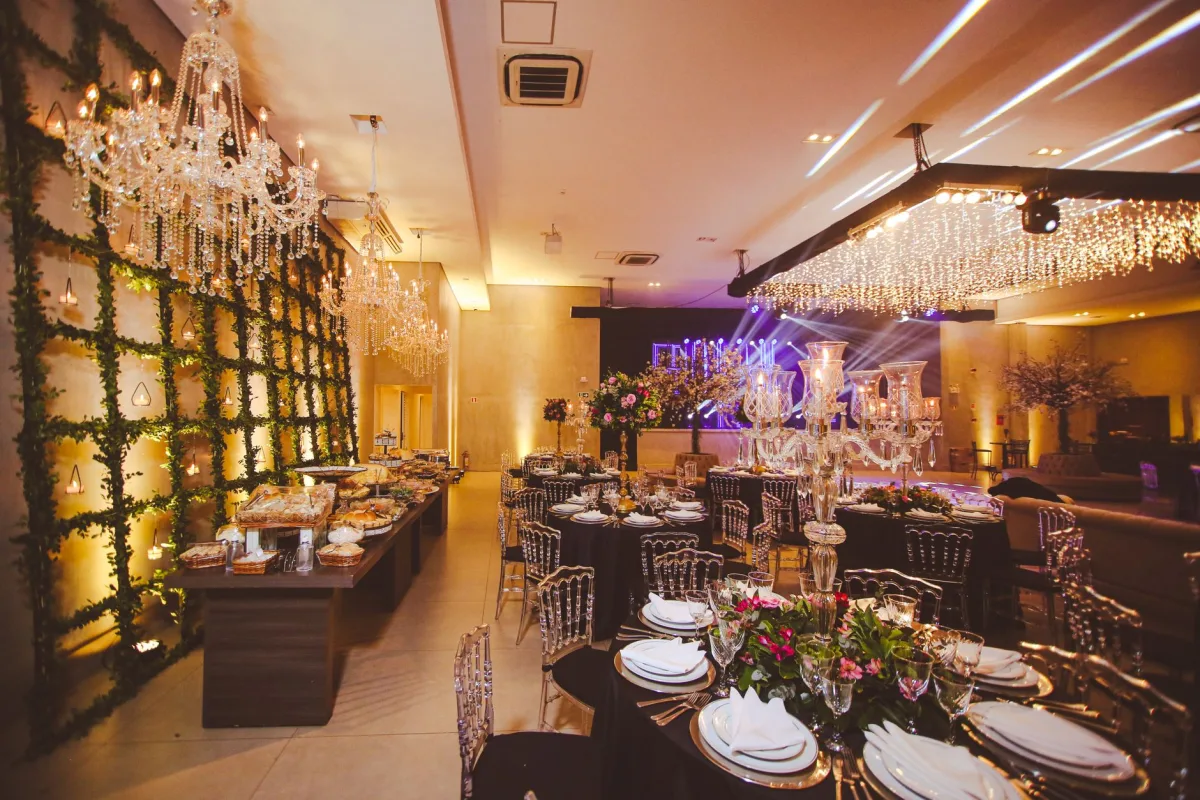
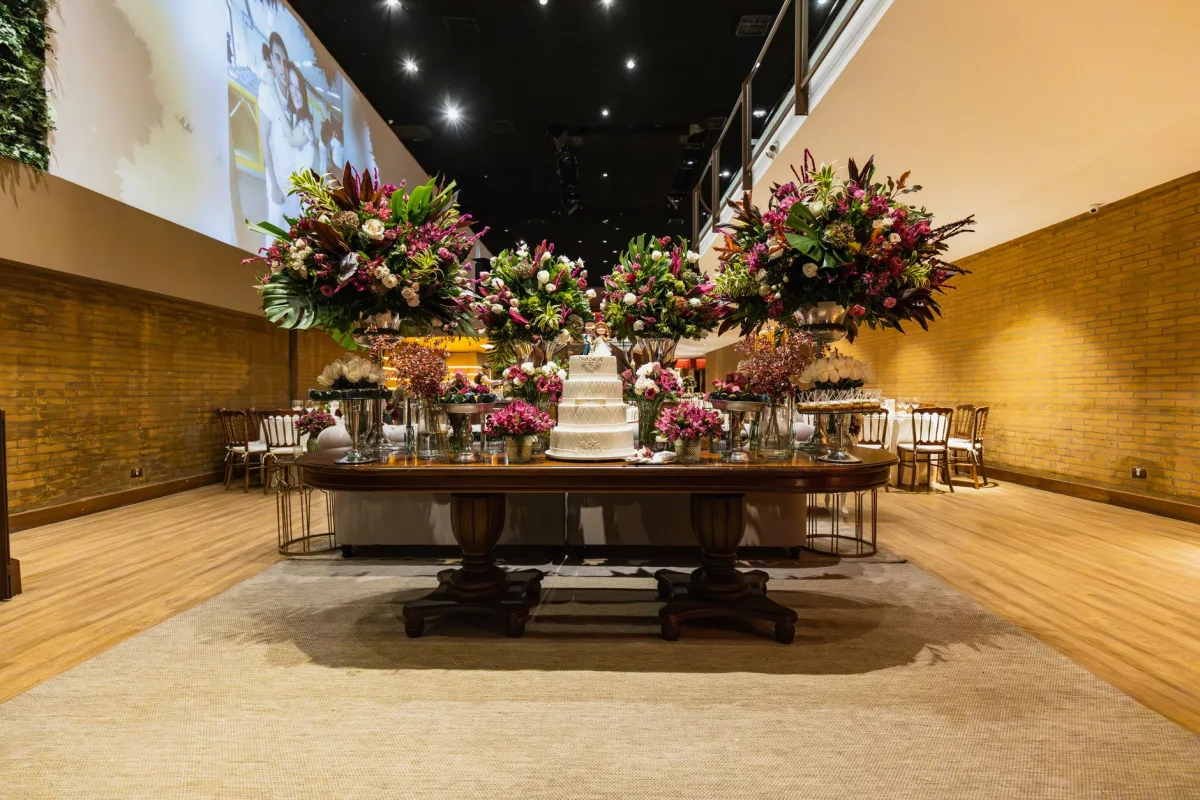
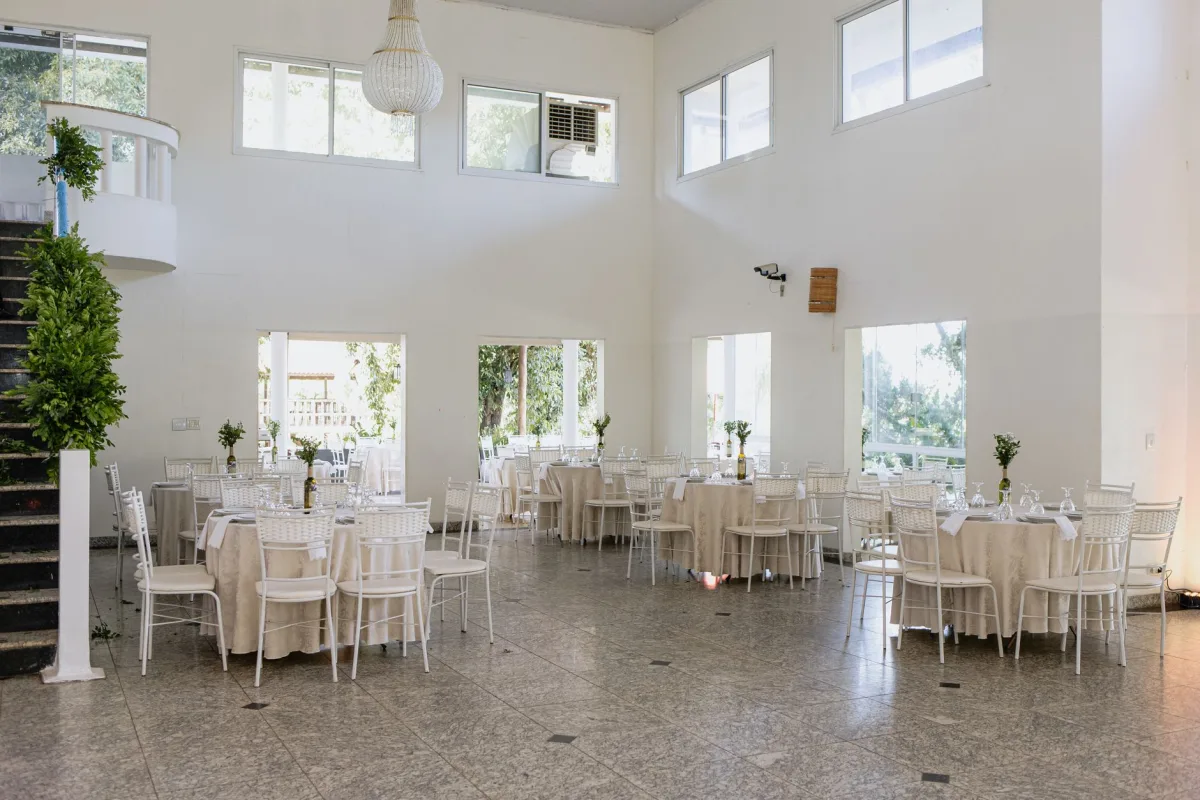
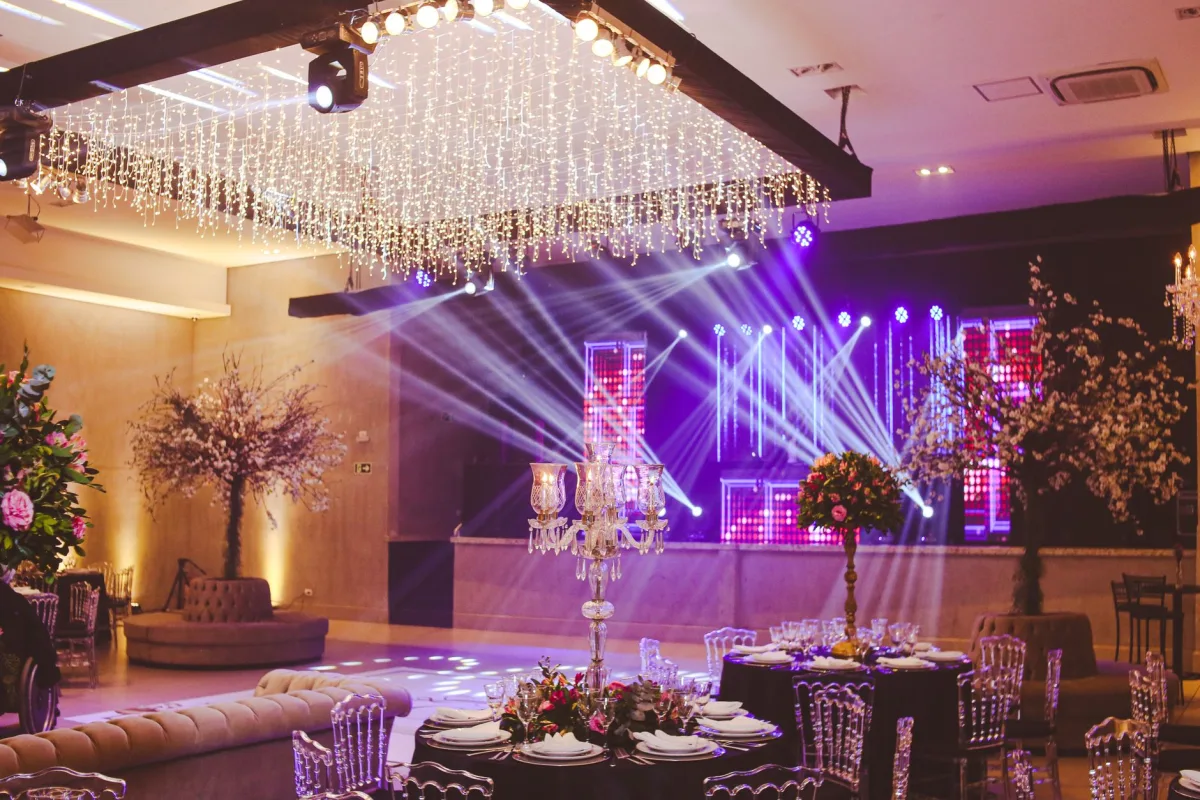
Reception venues come in a handful of broad families, and each throws a different kind of party. Knowing the families helps you shortlist quickly instead of touring at random.
Banquet halls and hotels
Purpose-built for receptions, with a kitchen, a dance floor and staff who do this every week. A banquet hall or hotel ballroom is the reliable all-rounder for medium and large parties.
Ballrooms and grand rooms
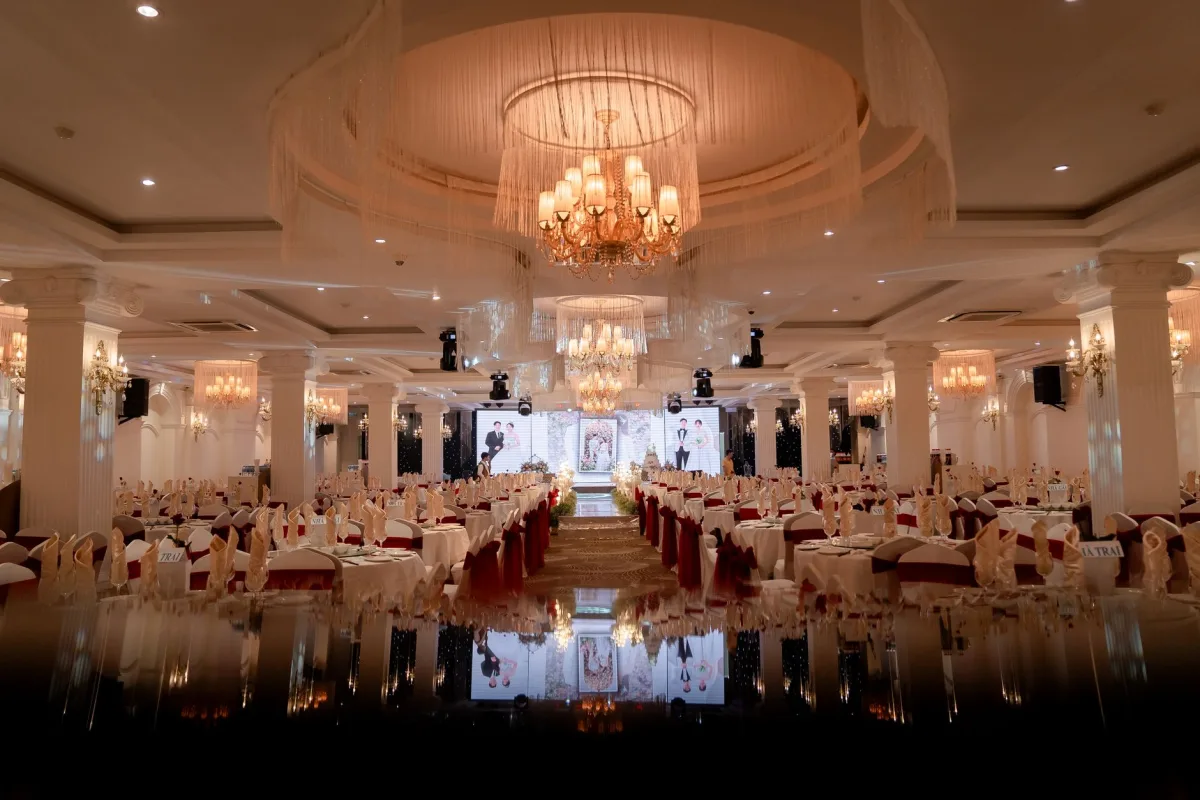
A ballroom brings scale and formality, with high ceilings and a proper floor for dancing. Ideal when the evening is big, glamorous and dance-led.
Restaurants and private dining
Food first, in a room already scaled for a warm gathering. Best for smaller receptions where the meal is the centrepiece and the kitchen is on site.
Barns, marquees and outdoors
Character and a blank canvas, but you build in the kitchen, cover, power and toilets a hall already owns. Beautiful, flexible and more work.
There is no best family, only the best fit for the party you want. A big, late celebration is happiest in a hall or ballroom; an intimate, food-led evening belongs in a restaurant; a couple who want to build their own world from scratch will love a barn or marquee. Our overview of the wider wedding venue landscape puts these in context alongside ceremony spaces if you are choosing both at once.
The running order of a reception
A reception is easier to plan once you can see its usual shape. The exact order varies by culture and choice, but most receptions move through the same stages, and a good venue supports each without a gap.
- Arrival and drinks. Guests gather with a welcome drink and canapes while the couple finish photographs. This is where a venue's outdoor space or lounge earns its keep.
- The wedding meal. Seated dinner, plated or served family-style, the anchor of the evening. Capacity and kitchen capability decide how well this runs.
- Speeches and toasts. Traditionally between or after courses. Good acoustics and sightlines matter more here than people expect.
- Cake and first dance. The pivot from dinner to party, often as the room is turned around for dancing.
- Dancing and evening. The band or DJ, the bar, and often a second wave of guests and evening food, running to the venue's curfew.
The transition from dinner to dancing is the moment most likely to stall, because the room often has to be reset. When you tour a venue, ask exactly how that turnaround is handled, whether there is a separate space for dancing or the same room is cleared, so the party does not lose its momentum halfway through.
What matters most when choosing
Cut through the photographs and a reception venue comes down to a short list of practical questions. Get these right and the pretty details take care of themselves.
Seated capacity
The number the venue seats for a meal with a dance floor in the room. This one figure decides whether your guest list fits, so get it in writing.
Catering quality and terms
In-house, approved list or bring-your-own, and how good is it? Taste it if you can. The meal is what guests judge the day on.
Hours and curfew
When you get in, when you must be out, and the amplified-music cut-off. These quietly set how long the celebration really lasts.
Layout and flow
How guests move from arrival to dinner to dancing. Smooth flow, not raw square footage, is what makes a reception feel effortless.
What reception venues cost
Costs vary enormously by country, region, day and season, so treat any figure as a broad shape rather than a quote. Venues generally price a reception either as room hire plus catering, or as an all-inclusive per-head package. Peak Saturdays in high summer sit at the top of the range; a Friday, Sunday or off-season date can lower the same venue's price noticeably. Guest count is the biggest lever of all, since almost every cost scales per head.
The figure to focus on is the true all-in total for your real numbers. A low hire fee can hide a high catering minimum, and a tidy package price can exclude the bar, service charge or evening food. Rebuild every quote on the same basis and the genuine value becomes clear. Keep those figures on your wedding budget checklist as you compare, and if you want the whole day handled together, an all-inclusive venue bundles ceremony, meal and party into one price that can be easier to control.
From shortlist to booking
Once you have a few strong candidates, visit each with the running order in mind and walk the evening through the space. Then read the contract slowly: confirm the seated capacity, the exact hours and curfew, the deposit and cancellation terms, the per-head price and what it includes, and any service or corkage charges. Check whether the venue is yours exclusively and what happens if it becomes unavailable. When you are searching close to home, our local guide to reception venues near you covers how to read search results and compare nearby options.
Book the suppliers who bring a reception to life as soon as the venue is set, because good caterers and bands fill peak dates a year or more ahead. The catering and the music shape the mood as much as the room does. Matrimony360 keeps guides across every part of the reception, so you can plan the whole celebration from one place and walk into the evening confident it will flow.
Frequently asked questions
What is a wedding reception venue?
It is the place that hosts the party after the marriage ceremony, where the couple receive and thank their guests with a meal, drinks, speeches and dancing. Unlike a ceremony space, which mainly needs an aisle and a setting, a reception venue needs a kitchen, seating for a meal, a bar, a dance floor and enough hours to run the celebration into the evening.
How far in advance should I book a reception venue?
Popular venues book out a year or more ahead for peak Saturdays in summer, so start touring as soon as you have a rough date and guest count. Off-peak dates and midweek weddings offer more availability and often better prices. Booking the venue early also lets you secure the caterers, bands and photographers who fill the same peak dates just as fast.
What is the difference between hire fee and all-inclusive pricing?
A hire-fee venue charges for the room and lets you add catering and drinks separately, giving you more control and more to organise. An all-inclusive venue bundles the room, food, drink and often more into a single per-head price, which is simpler but can include things you do not need. Compare the two on the true total for your guest count rather than on the headline number.
How do I know if a venue is big enough?
Ask for the number the venue seats for a meal with a dance floor already in the room, not the standing maximum, and match it against your guest list with a little room to spare. A space that seats your count comfortably lets guests move and dance; one filled to its absolute limit feels cramped once tables, a bar and a dance floor are all in place.
Should the ceremony and reception be at the same venue?
Holding both in one place removes travel between them and simplifies the day, which many couples prefer. It works well when the venue is licensed for the ceremony and genuinely built for the party, with somewhere to marry, somewhere to eat and a real dance floor. If you choose separate venues, keep the travel short and the timing generous so guests are not left waiting between the two.