Wedding DJ: The Complete Guide
More than playlists: what a wedding DJ really does, what one costs, and how to hire and brief the right one for your reception.
A wedding DJ is one of the few vendors who touches every hour of your celebration, from the first guest walking in to the last song of the night. Get the music right and the room feels alive; get it wrong and even a beautiful venue goes flat. Yet most couples book a DJ knowing very little about what the job actually involves, what a fair price looks like, or the questions that separate a safe hire from a risky one. This guide walks through all of it, so you can choose with confidence rather than on a gut feeling and a nice website.
The short version
- A DJ is more than playlists. The good ones read the room, manage transitions and often run the microphone as your host.
- Price tracks experience and hours, not just equipment. Expect a wide range, and be wary of quotes that look too cheap.
- The MC role is the hidden value. Announcements, timing and momentum matter as much as the song choices.
- Book early and meet in person. Popular DJs go months ahead, and personality fit is as important as a music list.
What a wedding DJ actually does
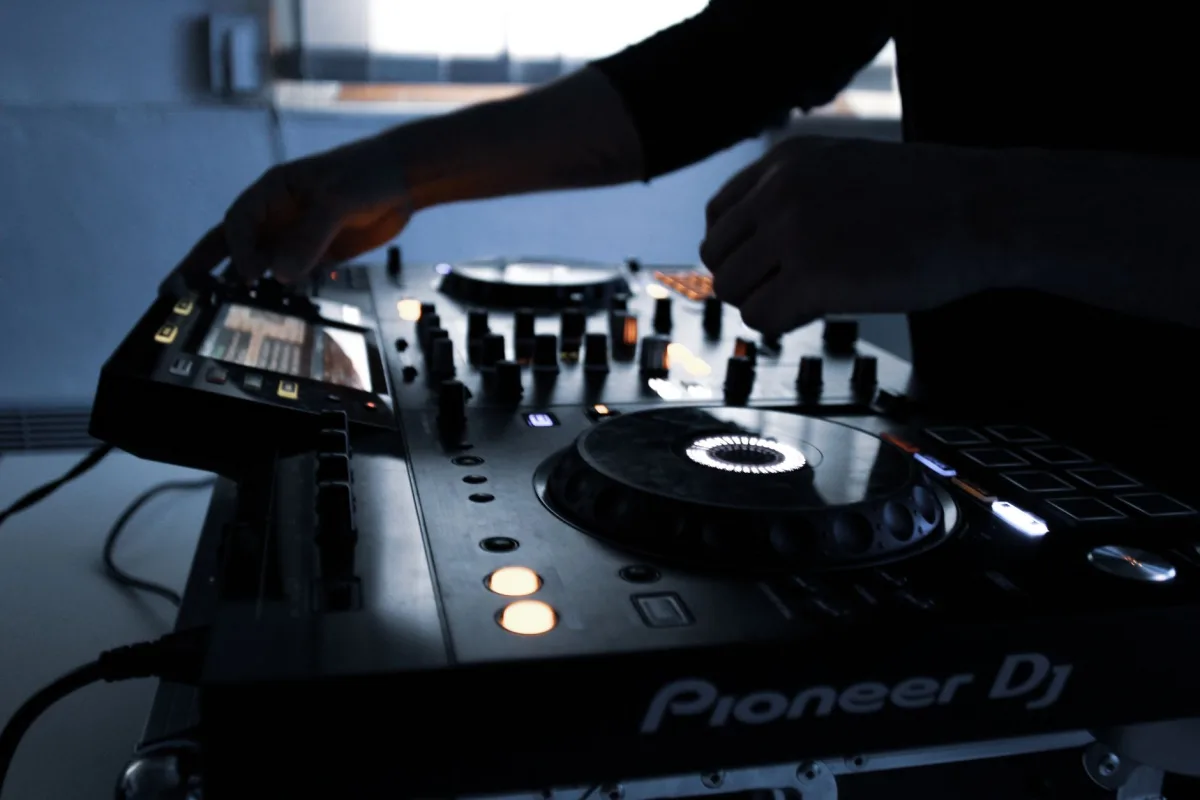
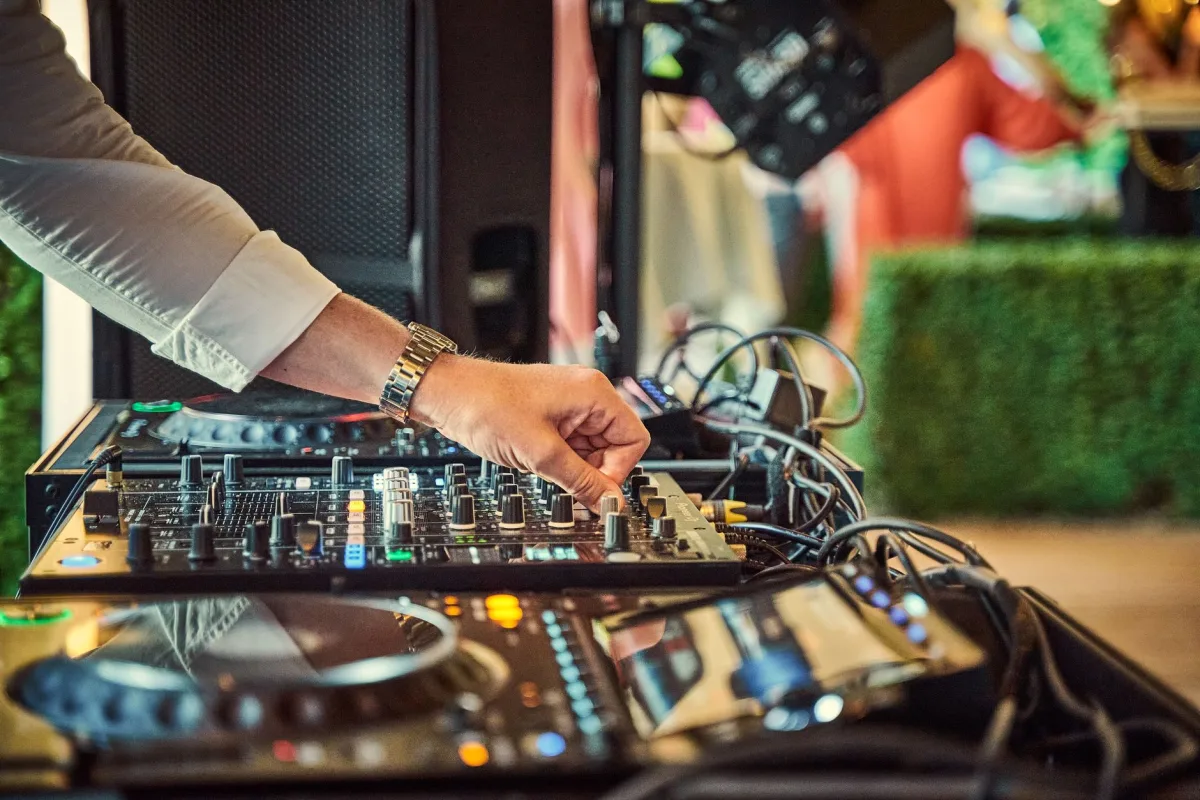
A disc jockey is a person who plays recorded music for an audience, and the role goes back to radio broadcasting in the 1930s before it moved into clubs, mobile events and, eventually, weddings. A wedding DJ is a specialist branch of the mobile DJ tradition: someone who brings their own sound system, lighting and music library to a private event and shapes the whole soundtrack of the day around the couple.
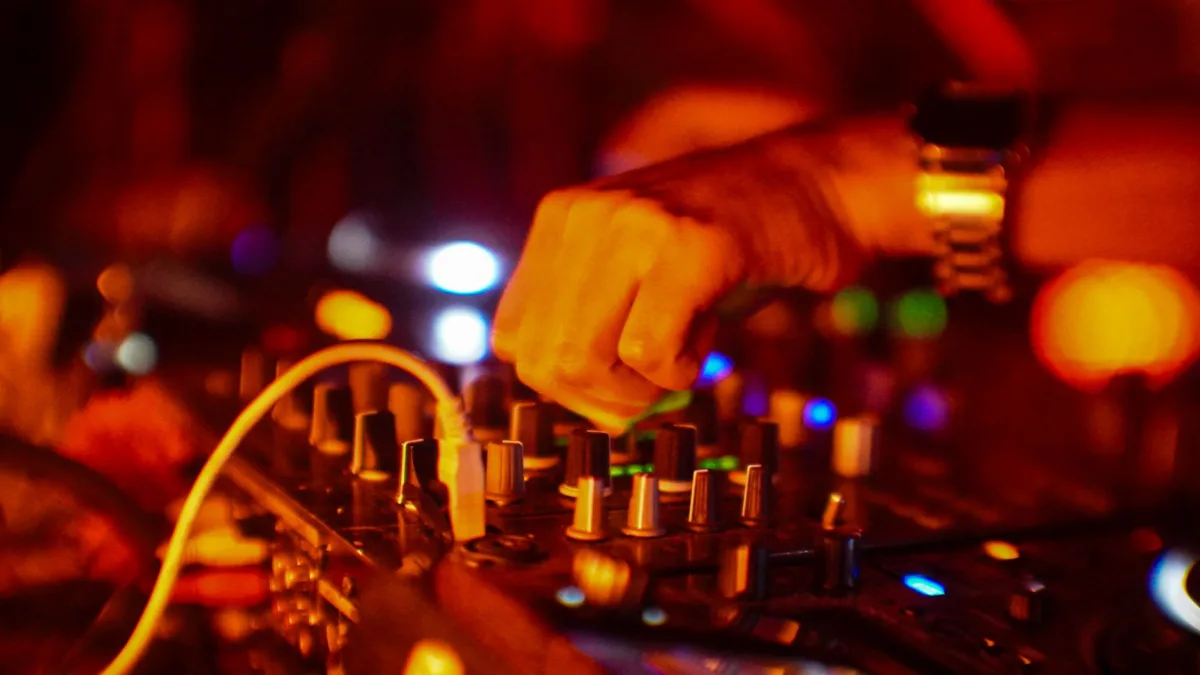
The visible part is the music, but the real skill is reading a room in real time. A strong DJ notices when the dance floor is thinning, when the older guests need a slower stretch, and when to hold a crowd-pleaser back until the energy dips. They beat-match and blend so there is no dead air between songs, and they quietly adjust the plan as the night unfolds. That judgement, built over dozens of weddings, is what you are really paying for.
A wedding DJ also carries the day structurally. Most work closely with the venue and the wedding planner to keep the timeline on track, cueing the right music for each moment: the entrance, the first dance, the cake, the speeches and the party. In that sense the DJ is part musician, part stage manager, and part host for the evening.
DJ, MC or both?
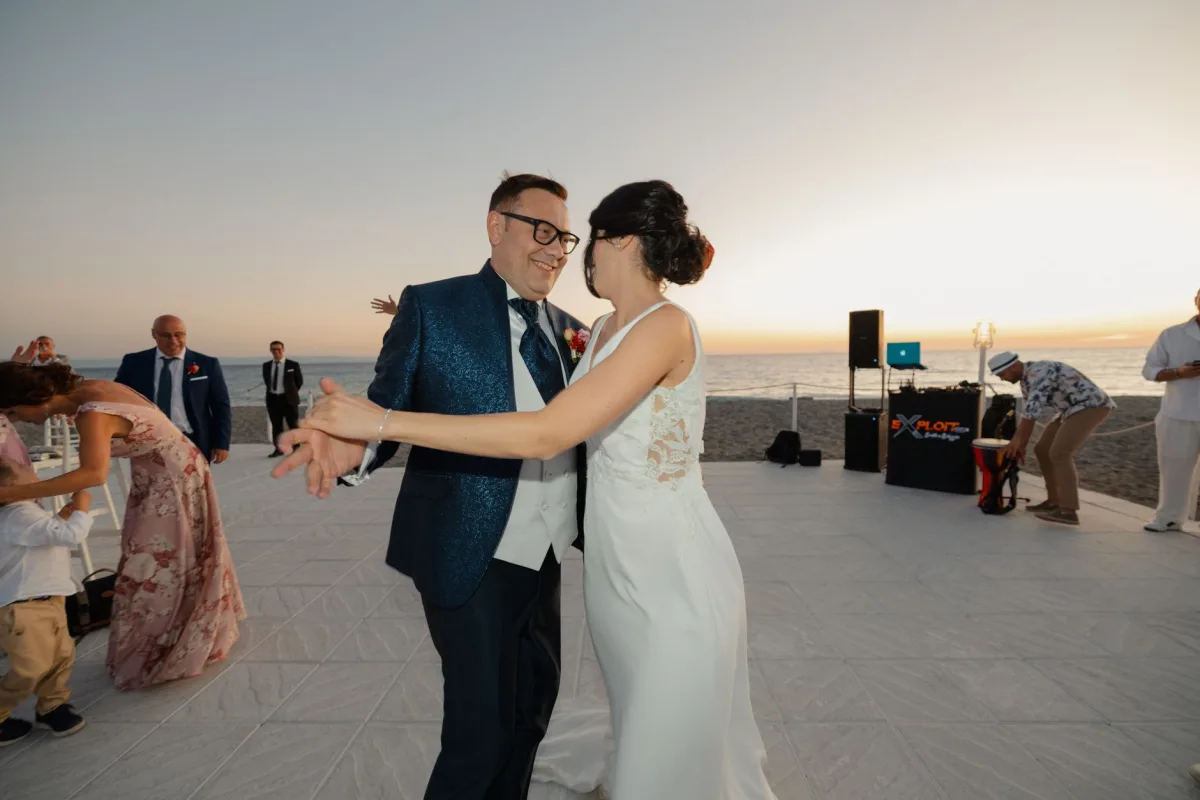
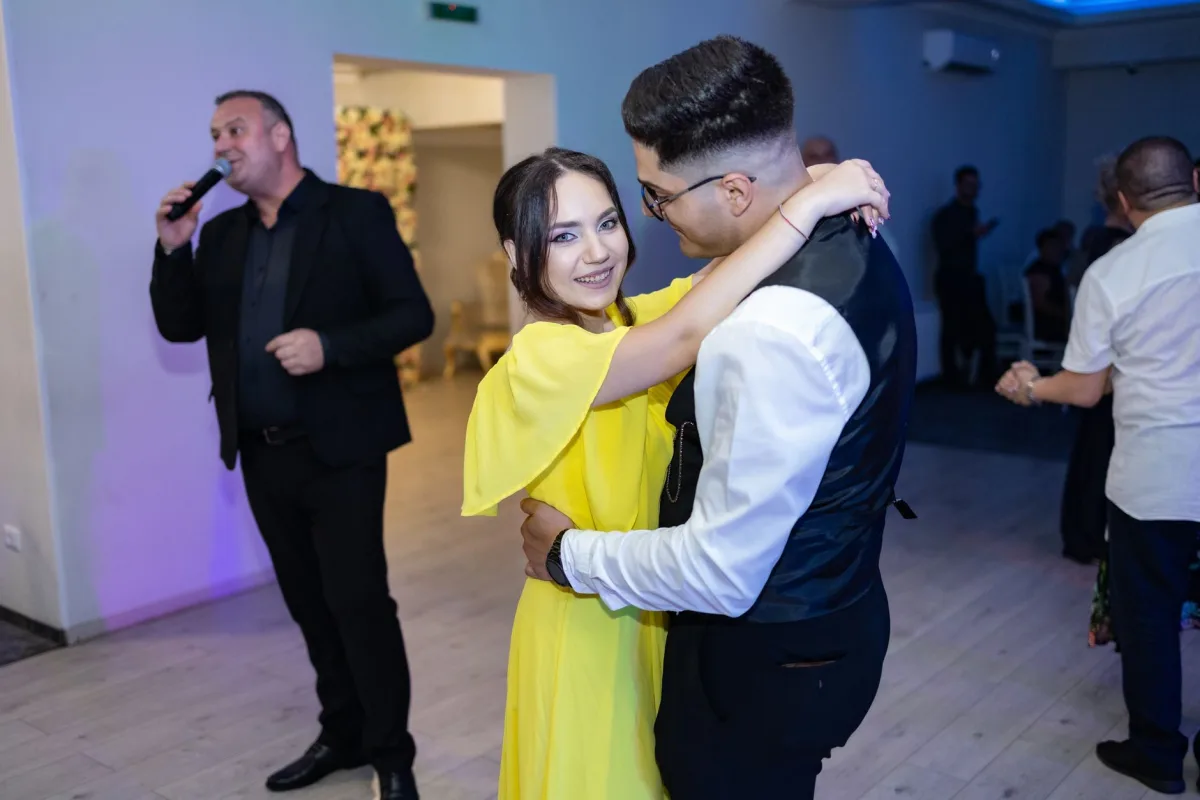
One point confuses a lot of couples: many wedding DJs also act as the master of ceremonies. A master of ceremonies, or MC, is the official host who introduces stages of the event and keeps the audience informed and moving. At a wedding that means announcing the couple's grand entrance, inviting guests to be seated, handing off to speakers and signalling when the dancing begins.
Whether your DJ does this or not changes both the price and the feel of the day, so it is worth being explicit early.
DJ only
Plays and mixes music, manages sound, and follows the agreed timeline. Announcements are handled by someone else, often a planner or a confident friend.
DJ and MC
The same person runs the music and speaks on the microphone: introductions, transitions and gentle crowd direction. The most common package at Western receptions.
Separate MC
A dedicated host works alongside the DJ. Common at larger or multicultural weddings where announcements are frequent and the running order is complex.
Live plus DJ hybrid
A DJ covers the reception while a band or musicians handle the ceremony or dinner. You get live atmosphere early and a full dance floor late.
What a wedding DJ costs
Pricing varies enormously by country, city, experience and hours, so treat any single number with suspicion. As a broad guide, wedding DJs in major English-speaking markets commonly fall somewhere between a few hundred and a few thousand of the local currency for a full reception, with seasoned DJs in big cities sitting at the higher end. A short, off-peak booking sits low; a peak-season Saturday with a name DJ, extra lighting and a long running time sits high.
The honest rule is that a quote well below everyone else usually signals something: a beginner, older equipment, no backup gear, or a package that quietly excludes the hours you actually need. Rather than chase the lowest figure, understand what moves the price.
- Hours of coverage. Ceremony, cocktail hour, dinner and a full evening cost more than reception-only. Overtime is usually billed per hour.
- Experience and demand. A DJ with hundreds of weddings and strong reviews commands more than someone building a portfolio, and books up far earlier.
- Equipment and lighting. Dance-floor lighting, uplighting, extra speakers for large rooms and a second system for the ceremony all add cost.
- Backup and insurance. Professional DJs carry spare gear and public liability insurance, which many venues now require. That reliability is part of the price.
- Season and day. Peak summer Saturdays cost the most; weekday and winter dates are where the real savings sit.
If you are mapping this against everything else, our wedding budget checklist shows where music typically lands as a share of the total, so you can decide how much of your spend the soundtrack deserves.
DJ versus live band
The classic reception debate is DJ or band, and neither is objectively better; they simply do different things. A DJ offers an enormous range: any genre, any era, the original recordings your guests know note for note, usually at a lower cost and in a smaller footprint. A band brings a live energy and spectacle that recordings cannot match, but within a narrower repertoire, at a higher price, and needing more space and a longer setup.
Many couples now split the difference: musicians or a small acoustic act for the ceremony and dinner, then a DJ to drive the late-night dance floor. If you want to see how the whole evening fits together, our overview of the wedding reception walks through the running order that both a DJ and a band have to serve.
How to hire the right wedding DJ
The single best predictor of a good night is a DJ who has done many weddings and whom you actually like when you meet. Skill matters, but so does temperament, because this is the vendor holding the microphone in front of your family. Work through hiring in a clear order rather than booking the first friendly name you find.
Start early. Popular wedding DJs are often booked six to twelve months out, and the best dates go first. Once you have a shortlist, meet or video-call each one, listen to real recordings or watch clips of them working a live room rather than a polished promo, and read reviews that mention reliability and reading the crowd, not just song choice.
Backup plan
Ask what happens if they fall ill or a speaker dies mid-set. Professionals carry spare equipment and belong to a network that can cover them.
A written contract
Hours, arrival time, overtime rate, deposit, cancellation terms and equipment should all be on paper. A vague verbal deal is a red flag.
Music control
Agree how requests, a must-play list and a do-not-play list are handled. A good DJ welcomes guidance and still uses judgement on the night.
Setup and access
Confirm they will visit or vet the venue, know the access times, and have checked power and space. Surprises here derail an evening fast.
Working with your DJ before the day
A great performance on the night is mostly built in the weeks before it. Once booked, share your timeline, your key songs and, just as usefully, the songs you never want to hear. Most experienced DJs provide a planning form or a short meeting to capture the first dance, the entrance track, the parent dances and any cultural moments that need specific music.
Give direction, then trust the professional. Handing over a rigid, minute-by-minute playlist of two hundred songs takes away the very skill you hired: the ability to read the floor and adapt. A short must-play list, a clear do-not-play list, and a sense of your taste is the sweet spot. If your wedding blends traditions, brief the DJ carefully so the right music lands at the right ritual moment, and loop in your wedding events schedule so nothing important is missed.
Music is one thread in a wider vendor team. It works best when it is coordinated with the people capturing the day, so it is worth aligning your DJ with your wedding photographer and videographer on the timing of the big moments. When Matrimony360 couples tell us a reception simply flowed, a well-briefed DJ is almost always part of the reason.
The bottom line
A wedding DJ is not a jukebox with legs. The right one is a host, a stage manager and a reader of rooms who quietly steers the mood of your whole celebration. Book early, meet in person, insist on a written contract and a backup plan, and give clear but not suffocating direction. Do that, and the music stops being a box to tick and becomes the thing your guests remember long after the last dance.
Frequently asked questions
How much should a wedding DJ cost?
There is no universal figure, because price depends on your country, city, the DJ's experience and the hours you need. In major English-speaking markets a full reception commonly falls between a few hundred and a few thousand in local currency, with in-demand DJs in big cities at the top. Be cautious of a quote far below the rest, which often means a beginner, older equipment or hidden exclusions. Judge value by experience, reliability and what is actually included, not by the lowest number.
Does a wedding DJ also act as the MC?
Very often, yes. Many wedding DJs double as the master of ceremonies, making the announcements and guiding guests through the entrance, speeches, first dance and the start of the party. Some couples prefer a separate host, especially at larger or multicultural weddings with a complex running order. Clarify this when you book, because whether your DJ also hosts affects both the price and how the evening feels.
How far in advance should I book a wedding DJ?
Aim for six to twelve months ahead, and earlier for a peak-season Saturday. The most sought-after wedding DJs book out well in advance, so the best dates disappear first. Booking early also gives you time to meet, compare and plan the music properly rather than settling for whoever is still free close to the date.
Is a DJ or a live band better for a wedding?
Neither is simply better; they suit different priorities. A DJ offers a vast range of genres and eras, plays the original recordings guests know, and usually costs less and needs less space. A live band brings unmatched energy and spectacle within a narrower repertoire at a higher price. Many couples combine the two, using musicians for the ceremony or dinner and a DJ for the late-night dance floor.
Should I give my DJ a full playlist?
Give direction, not a script. A short must-play list, a clear do-not-play list, and a sense of your taste is ideal. A rigid two-hundred-song running order removes the DJ's key skill, which is reading the room and adapting in real time. Trust an experienced professional to fill the gaps and keep the floor moving.