Reception Venues Near Me: How to Choose the Right One (2026 Local Guide)
How to find and book a nearby venue that throws a great party, judged on catering, flow, dance space and how late it can run.
The ceremony is the moment; the reception is the party, and it is where most of your budget, your hours and your guests' memories actually land. Searching "reception venues near me" is the right instinct, but a reception makes different demands from a ceremony space: it has to feed a crowd, seat them, move them from dinner to dancing, and keep the energy up until late. This local guide shows you how to read the results with a reception in mind, the criteria that really matter for eating and dancing, the realistic costs, and exactly what to check on a visit so the party flows instead of stalling.
The short version
- A reception is a party with a kitchen. Judge it on catering, layout, dance space and how late it can run, not just on how it photographs.
- Flow beats floor space. The best receptions move guests smoothly from arrival to dinner to dancing without awkward gaps or long waits.
- Ask what the per-head price includes. Food, drink, service, cake-cutting, room hire and a curfew all sit inside that one number, or outside it.
- Match capacity to your real list. A room should seat your guest count for a meal, with the dance floor already accounted for.
What a reception venue actually has to do
A wedding reception is the party held after the marriage ceremony, where hosts and guests eat, drink, celebrate and dance. That single sentence hides a lot of logistics. A reception venue has to receive guests as they arrive, seat them for a meal, feed them well, clear and reset for dancing, run a bar, stage the toasts and the cake, and hold the celebration until a curfew. A pretty room that cannot do those things smoothly will feel beautiful for an hour and then bottleneck.
That is why a reception space is judged differently from a ceremony spot. The ceremony needs an aisle and an emotional setting for twenty minutes. The reception needs a working kitchen, a sensible layout, a real dance floor and enough hours to let the evening breathe. Keep that distinction front of mind as you search, because the venue that makes a stunning ceremony backdrop is not automatically the one that throws a great party.
How to read your "near me" search results
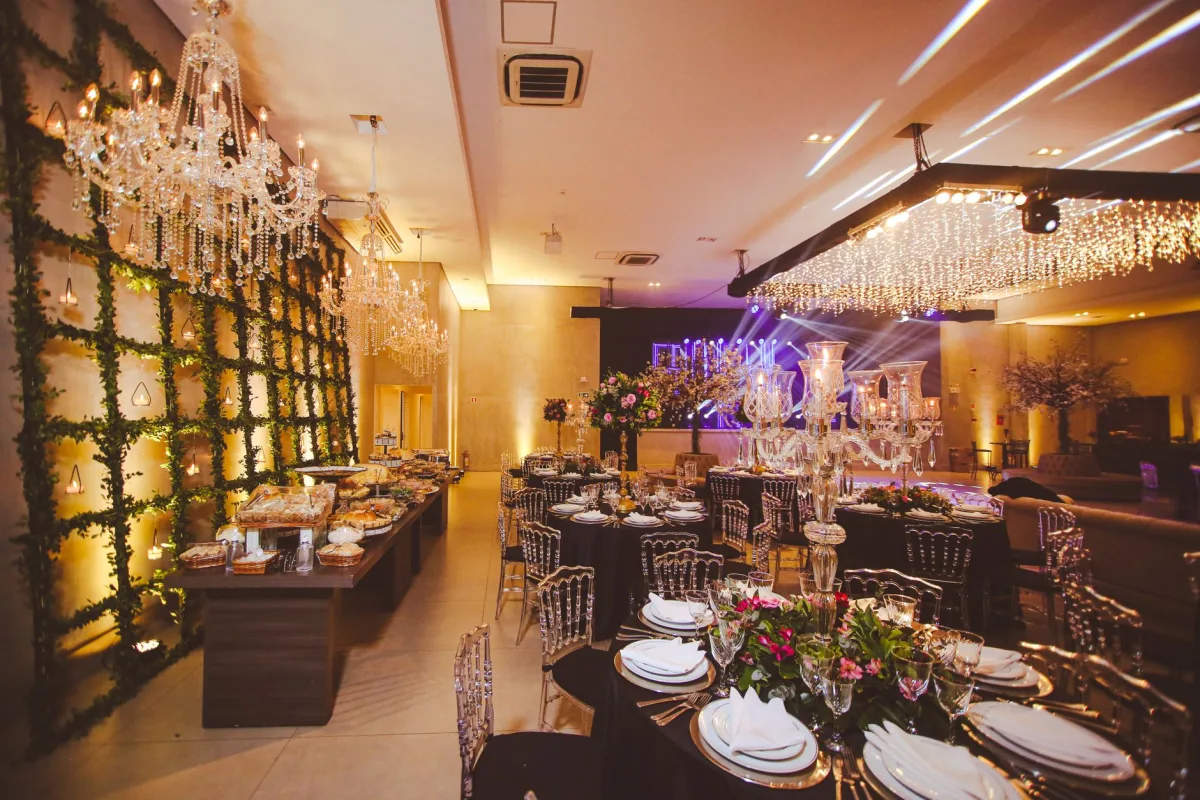
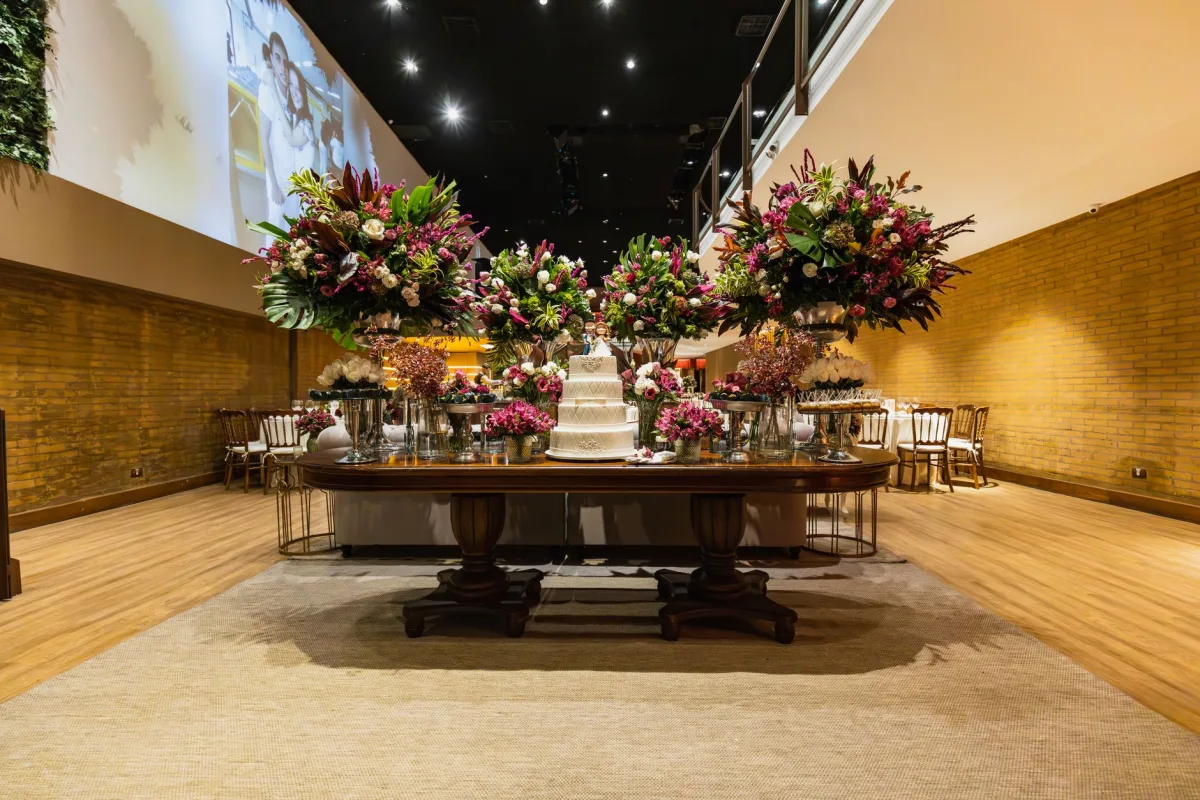
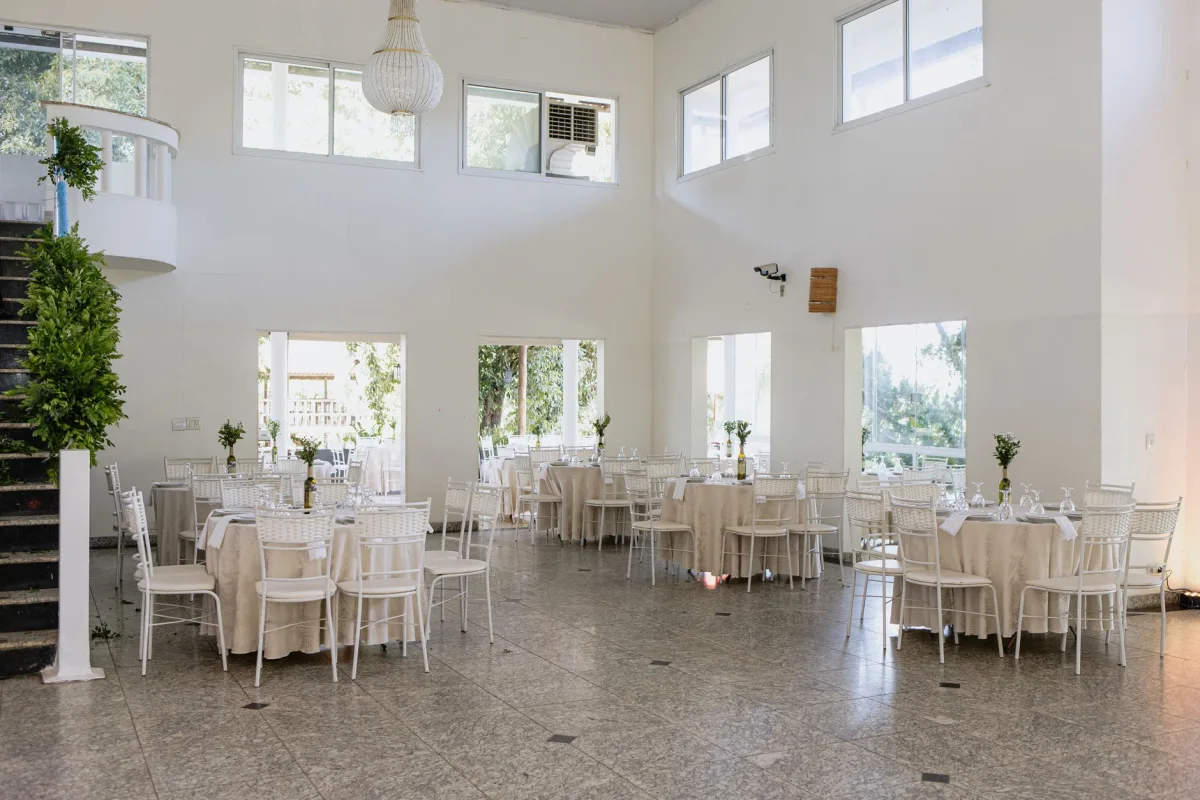
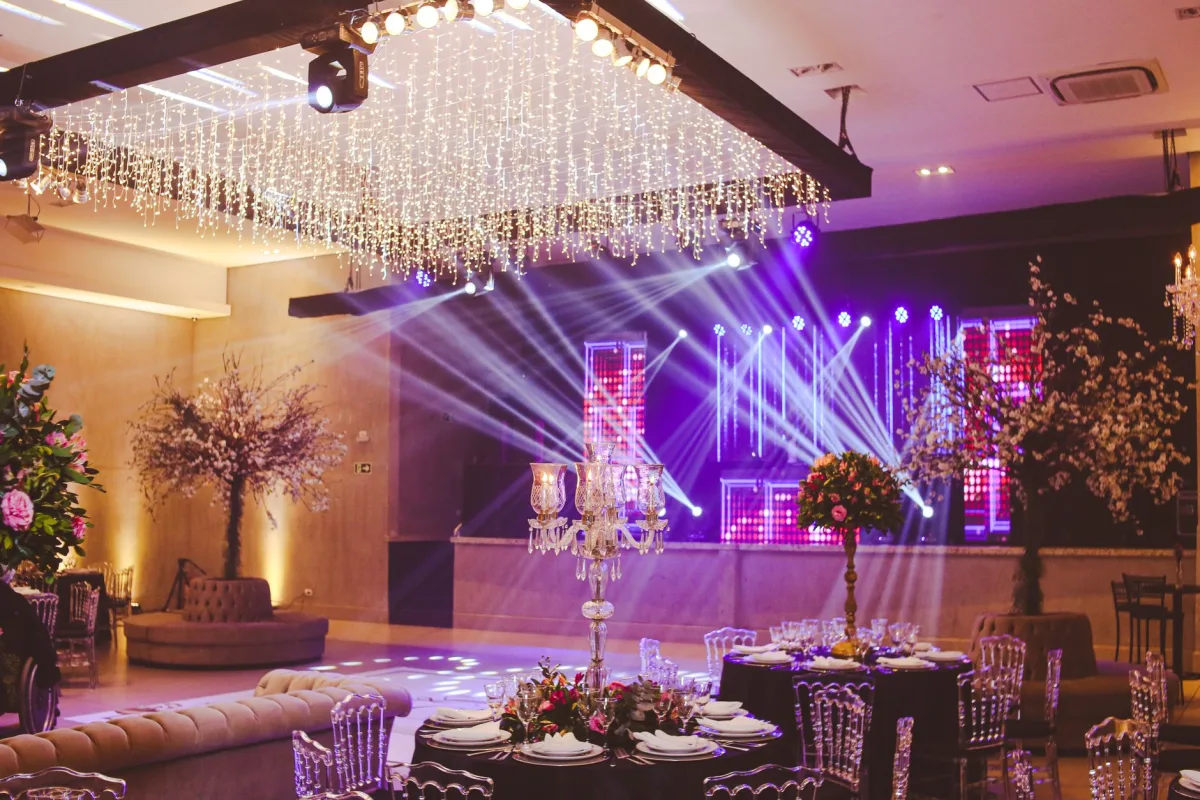
Local search ranks on proximity, reviews and profile completeness, none of which tell you whether a venue can actually run your reception well. Treat the first page as a starting list. The venue nearest you might have a hard seated cap below your guest list, or a music curfew that kills the party at ten, while one a little further out seats everyone comfortably and runs to midnight.
Widen the map a sensible amount. Guests will travel for a good party, and a venue slightly out of the centre is often quieter, better value and easier to park at. Balance that against travel for older relatives and the cost of overnight rooms nearby. Our broader guide to wedding venues near you covers the general search approach, and the pillar on wedding reception venues walks through the venue types in depth if you want the wider view first.
The criteria that actually decide a reception
Once you have a shortlist, score each venue against the same reception-focused list rather than on photographs. These are the questions that separate a great party from a stiff one.
Seated capacity, honestly stated
Ask for the number seated for a meal with a dance floor in the room, not the standing maximum. That single figure decides whether your list fits.
Catering and the bar
In-house kitchen, approved caterers or bring-your-own? Taste the food if you can. A reception rises or falls on the meal and how well the bar is run.
Dance floor and music limits
Is there a real dance space, and what is the amplified-music curfew? Know the cut-off before you book the band, not after.
Flow between spaces
Where do guests arrive, eat, drink and dance? The best venues move people naturally between zones without a dead gap while the room is turned around.
Hours and turnaround
When can you get in, and when must you be out? A tight slot rushes the whole evening; a generous one lets it relax.
What reception venues really cost
Reception costs vary hugely by country, region, day and season, so treat any figure as a broad shape rather than a quote. Most venues price a reception in one of two ways: a room-hire fee plus catering, or an all-inclusive per-head package covering food, drink and often the room. Peak Saturdays in summer sit at the top of the range; a Friday, Sunday or off-season date can cut the cost meaningfully for the same space.
The number that matters is the true per-head total once everything is in. A low room-hire fee can hide a high catering minimum, and an attractive package price can exclude the bar, service charge, cake-cutting or evening food. When you compare quotes, rebuild each on the same basis: what does it cost, all in, to seat and feed your real guest count and keep the party running to the curfew? Record those figures on your wedding budget checklist so the comparison stays honest.
Venue types and the reception style they suit
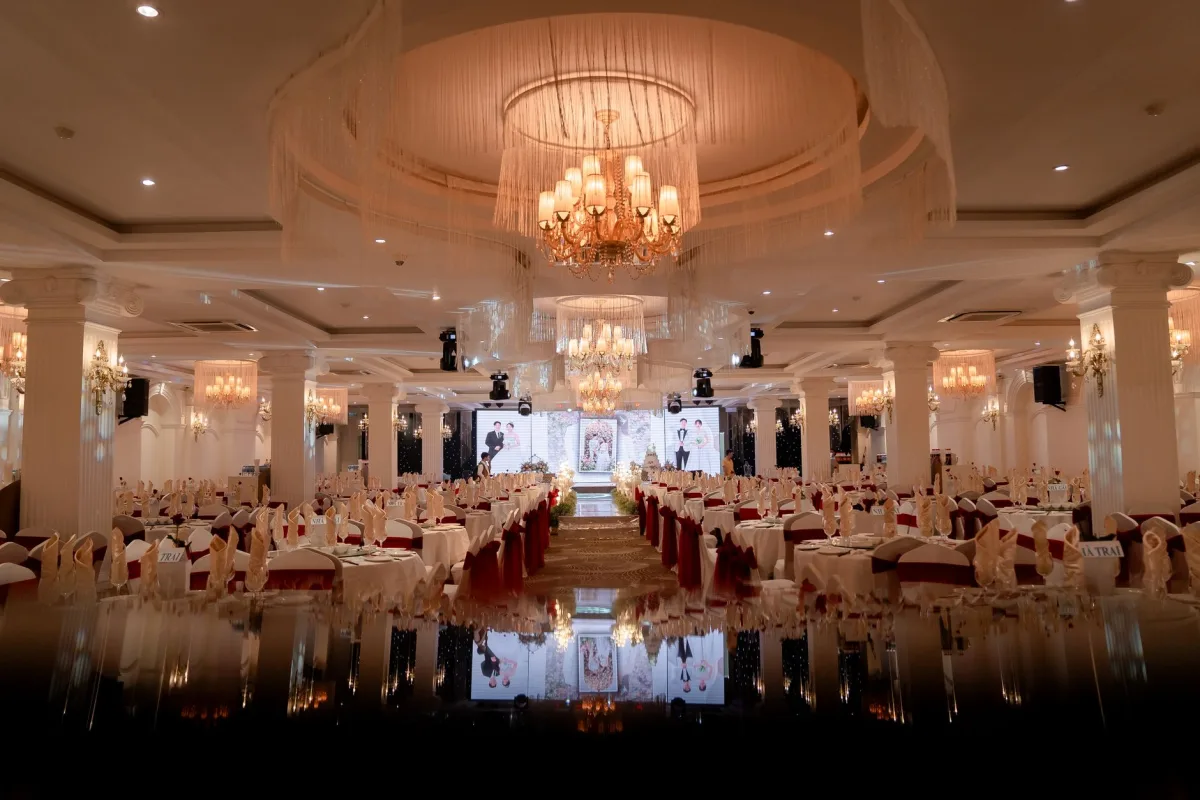
Reception venues come in a few broad shapes, and each lends itself to a different kind of party. A classic banquet hall or hotel ballroom is built for exactly this: a kitchen, a dance floor and staff who run receptions every week. Restaurants and private dining rooms put the food first for smaller, warmer parties. Barns, marquees and outdoor venues offer character but ask you to build in the infrastructure a hall already owns.
Think about the reception you want and let that steer the type. A big, late, dance-heavy party is happiest in a hall or ballroom with a real floor and a generous curfew. A long, relaxed meal with speeches suits a restaurant or a country-house dining room. If you want the whole day in one place, an all-inclusive venue that handles ceremony, meal and party in a single package can take a lot of the coordination off your hands. For nearby options built specifically around dining and dancing, our guide to banquet halls near you is a good next stop.
The site visit: what to check in person
Never book a reception venue on photographs alone. Visit, and walk the evening in your head from start to finish. Where do guests arrive and have a first drink? Where is the meal served, and can the kitchen plate for your numbers without a long wait between courses? Where does the dancing happen, and does the room turn around from dinner to dance floor smoothly, or does the party stall while staff move tables?
Ask the pointed questions: the exact music curfew, the seated capacity with a dance floor in, whether another event runs alongside yours, how the bar is priced and staffed, and how late suppliers can pack down. Notice the small things that shape an evening, the acoustics, the lighting, the temperature, the walk to the toilets and the bar. A confident venue will happily answer all of it; evasiveness on any of these points is a warning. Get the important answers in writing.
Booking, contracts and the small print
When you are ready, read the contract slowly. Confirm the seated capacity, the exact hire hours, the curfew, the deposit and cancellation terms, the per-head price and precisely what it includes, and any service charge, corkage or cake-cutting fee. Check whether the room is yours exclusively and what happens if the venue becomes unavailable. If you are bringing your own caterer, confirm kitchen access and any fees in writing.
Line up the suppliers who make a reception sing as soon as the venue is booked, because good caterers and bands fill peak dates a year or more ahead. Your catering and your DJ or band do as much to set the mood of the evening as the room itself. Matrimony360 keeps guides across every piece of the reception, so you can plan the whole party from one place and arrive at the day knowing it will flow.
Frequently asked questions
What is the difference between a ceremony and a reception venue?
A ceremony venue hosts the marriage itself, so it mainly needs an aisle and a meaningful setting for a short service. A reception venue hosts the party afterward, so it needs a kitchen, seating for a meal, a real dance floor, a bar and enough hours to run late. Some venues do both well, but a beautiful ceremony backdrop is not automatically a good party space, so judge each role separately.
How far should I search for reception venues near me?
Start local for convenience, but be willing to travel twenty to forty minutes for a venue that fits your guest count, runs late enough and offers better value. Guests will happily travel for a good party, and a venue slightly out of the centre is often quieter and easier to park at. Weigh that against travel for elderly relatives and the cost of nearby overnight rooms.
What should the per-head reception price include?
It varies, which is exactly why you must ask. A per-head figure may or may not include room hire, the bar or a drinks package, service charge, cake-cutting, evening food and staffing. Get an itemised breakdown and rebuild every quote on the same basis, so a low headline price that excludes the bar does not beat a fuller package that includes it.
What is the most important thing to check for a reception?
Two things above all: the food and the flow. Taste the catering if you can, because the meal is what guests remember most, and walk the evening through the space to be sure it moves smoothly from arrival to dinner to dancing without a dead gap while the room is reset. After that, confirm the music curfew, since it quietly sets how long the party actually lasts.
Can one venue host both the ceremony and the reception?
Yes, and many couples prefer it because it removes travel between the two and simplifies the day. Look for venues, often halls, hotels or all-inclusive spaces, that are licensed for the ceremony and built for the party, with somewhere to marry, somewhere to eat and a proper dance floor. Confirm in writing where a legal ceremony is permitted on site and how the space is turned around between the parts.