Wedding Halls: The Complete Guide
The room your whole day lives inside. Understand the types, capacity, inclusions and catering rules, then compare and book the right hall on total cost.
A wedding hall is the room your whole day lives inside. It sets the guest count before you have written a list, it shapes the budget more than any other single booking, and it quietly decides half the questions you have not thought to ask yet: whether you can bring your own caterer, how late the music can play, where the older guests will sit. Choosing one well is less about finding the prettiest space and more about understanding what a hall includes, what it forbids, and what it will really cost. This guide takes the whole subject in one pass.
The short version
- The hall sets the frame. Capacity, catering rules and timing flow from the room, so book it early.
- Read the inclusions, not the photos. Two halls at the same headline price can differ by thousands once you add tables, staff and catering.
- Capacity is about comfort, not the maximum. A room's happiest number is well below the fire limit printed on the licence.
- Every rule is a cost. In-house-only catering, corkage and strict end times all shape the final bill.
What counts as a wedding hall
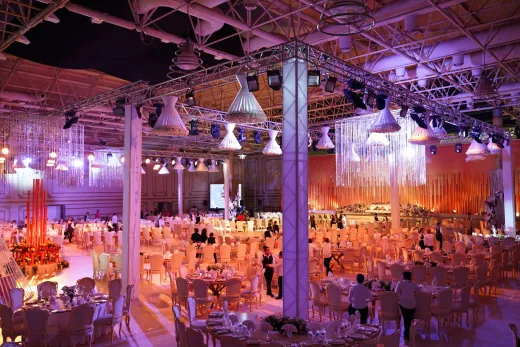
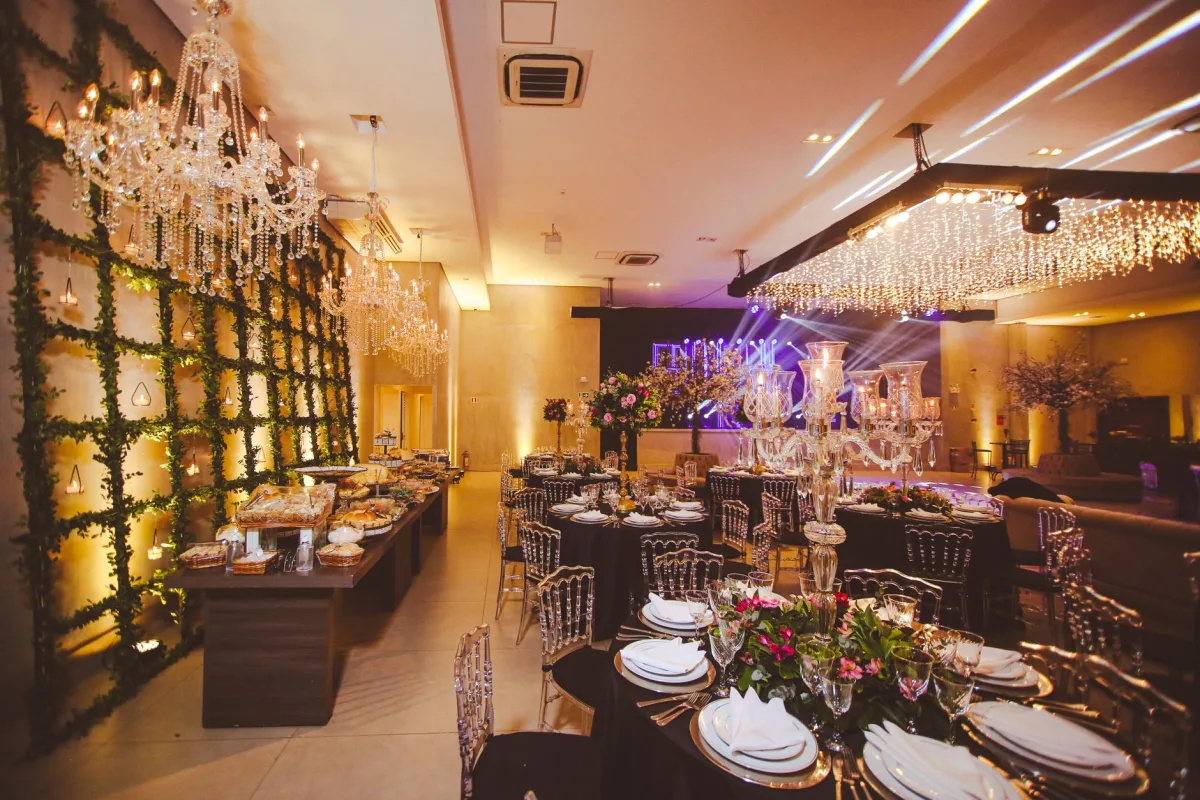
A wedding hall is any large indoor room hired for the celebration, most often the reception. The term covers a broad family of spaces: purpose-built banquet halls, hotel ballrooms, community and function halls, and the grand rooms of historic buildings. What they share is scale and a floor plan built for seated dining and dancing, which is exactly what a wedding reception needs. What they do not share is how much they include, and that is where careful comparison earns its keep.
It helps to separate the hall from the venue. A venue can be an estate with grounds, a ceremony space and a hall all in one. A hall on its own is just the room, and you assemble the rest around it. Neither is better; they suit different weddings and different budgets. The point is to know which you are buying, because a bare hall with a low headline price can end up costing more than an all-inclusive venue once you have hired everything the hall left out.
The main types of wedding hall
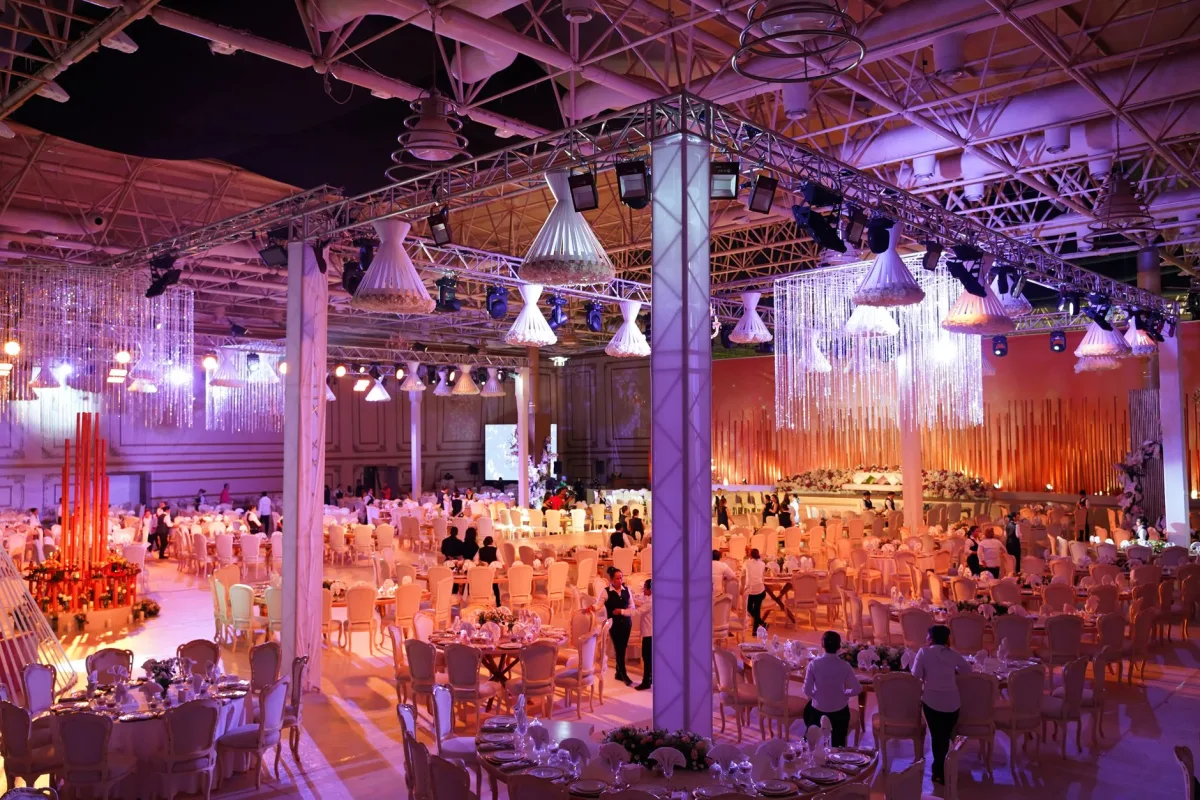
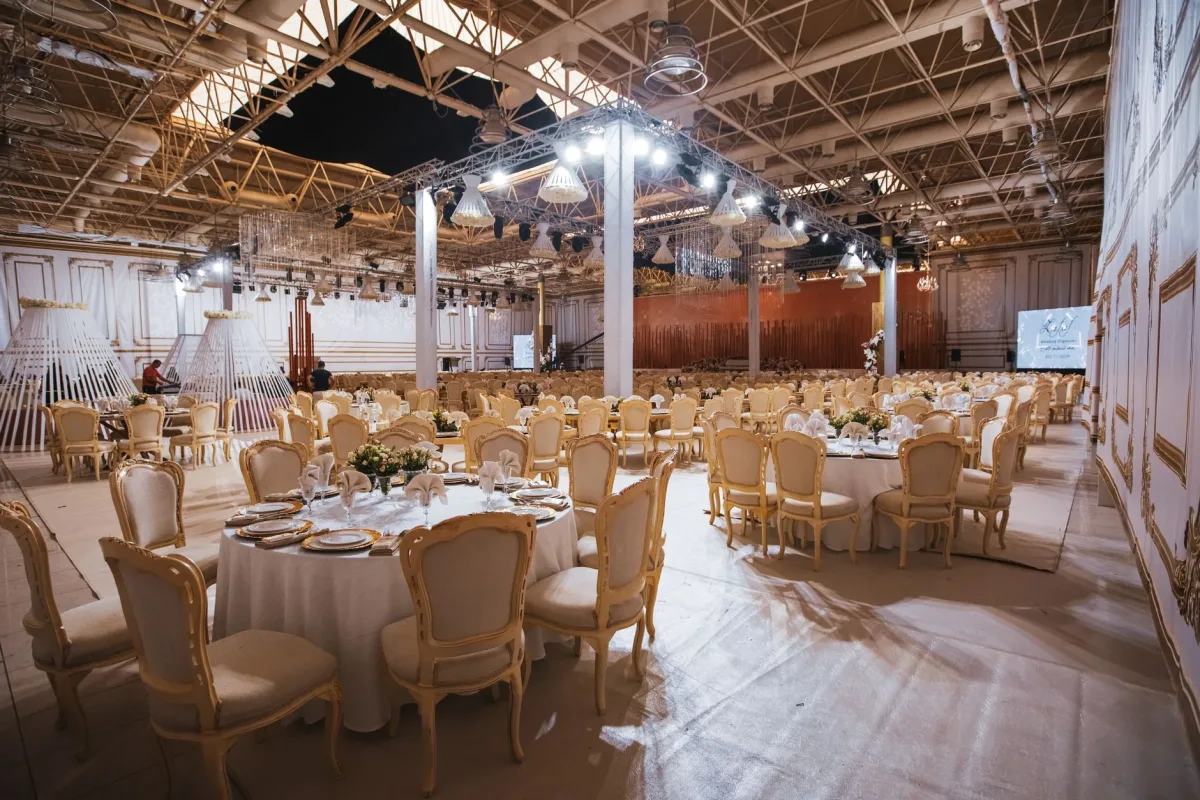
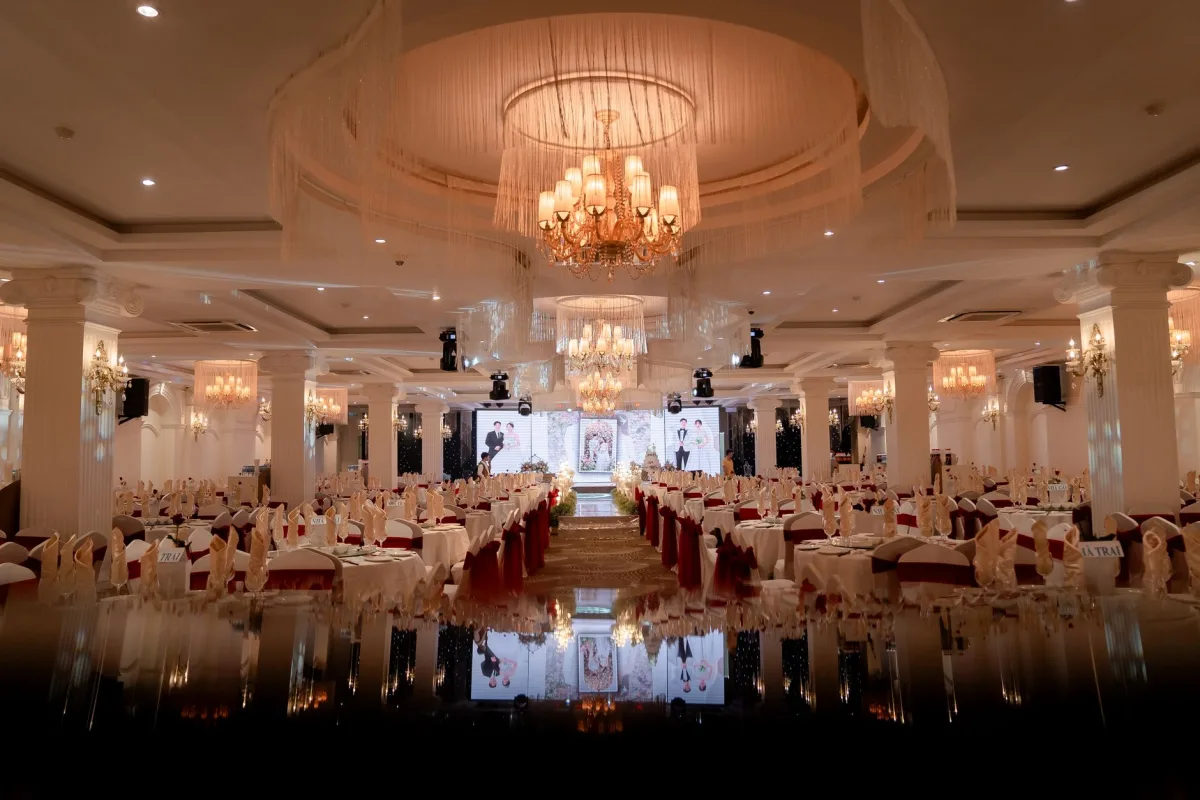
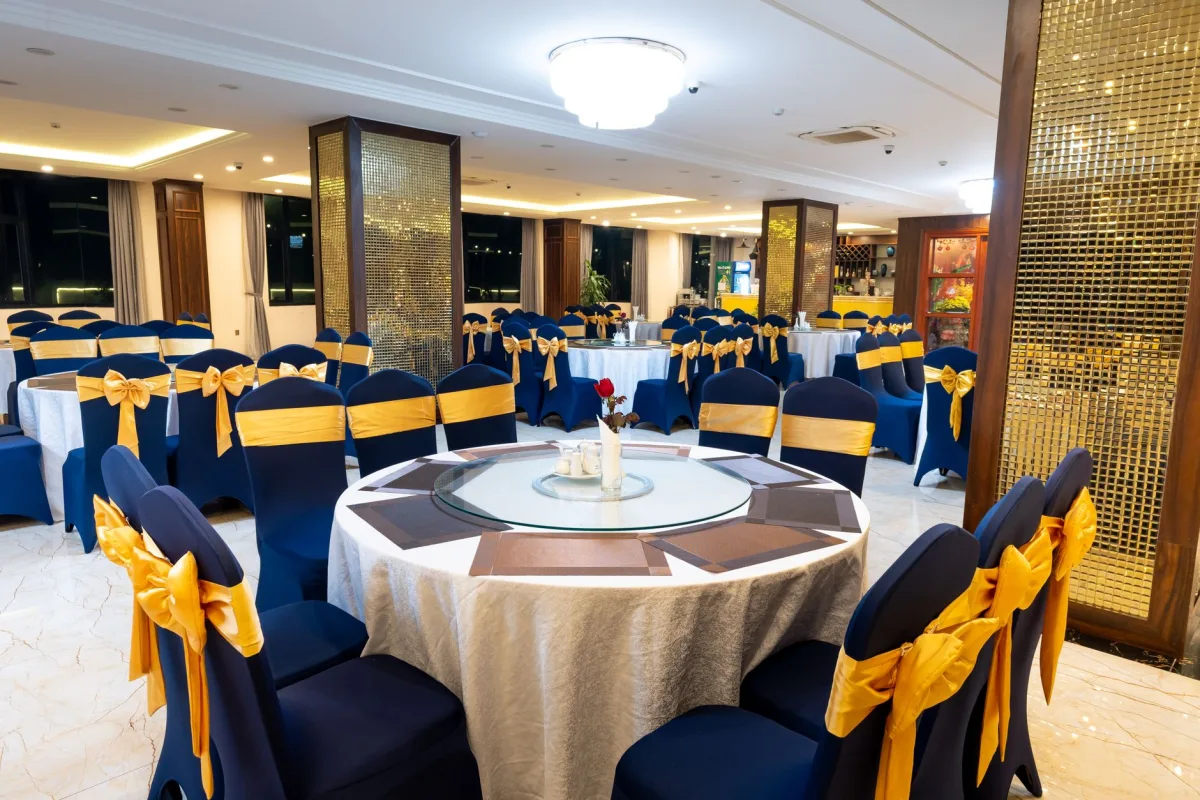
Halls fall into a few recognisable categories, each with its own trade-off between price, polish and freedom. Knowing the family a hall belongs to tells you most of what to expect before you visit.
Banquet hall
A purpose-built events space, often with in-house catering and staff. Efficient and predictable, though usually tied to their own kitchen and supplier list.
Hotel ballroom
Polished, serviced and convenient, with rooms for guests upstairs. Typically the priciest option and the strictest on outside suppliers, but the least for you to organise.
Community or function hall
The budget champion. A hireable room and little else, which means low cost and maximum freedom, but you supply the tables, catering, decor and staff yourself.
Heritage or ballroom hall
Historic houses, town halls and grand rooms with built-in character. Beautiful and photogenic, though often with rules that protect the building and limits on decor and noise.
None of these is the right answer on its own. A community hall in the hands of an organised couple can outshine a ballroom, and a ballroom removes stress that a community hall piles on. Match the type to how much you want to manage, not to a photograph. For a wider view of the options beyond halls specifically, our overview of wedding venues sets halls in context with gardens, barns and destination spaces.
Understanding capacity properly
Capacity is the number couples most often get wrong, and the mistake goes in one direction: booking a room to its maximum. Every hall has a licensed limit, but the number that matters is the comfortable seated number, which is usually well below it. A room rated for two hundred standing might seat one hundred and forty for dinner once you add round tables, a dance floor, a top table, a cake table and space for staff to move.
Work it the other way round. Start from your guest list, add a margin, then look for rooms whose comfortable number sits just above it. A hall that is slightly too big feels grand and breathes; a hall filled to its licence feels cramped and makes service slow and hot. Ask specifically for the seated capacity with a dance floor, not the theoretical maximum, and if you can, visit during another event to see the real room in use rather than an empty shell.
Ceiling height and shape matter as much as floor area. A long, narrow room seats the same number as a square one but feels different and splits your guests into two camps at either end. A high ceiling carries sound and decoration; a low one feels intimate but can trap heat on a summer evening. Numbers on a brochure never capture this, which is why the visit is non-negotiable.
What is included, and what is not
This is the single most important comparison you will make, and it is invisible in photographs. Two halls quoting the same price can differ by thousands once you list what each one actually provides. Before you compare any two quotes, get both onto the same footing by asking exactly what the hire fee covers.
The usual variables are tables and chairs, linen, basic crockery and glassware, staff for setup and clearing, in-house catering or the freedom to bring your own, a bar or corkage, sound and lighting, and cleaning afterwards. A community hall may include almost none of these, which is why it is cheap. A hotel ballroom may include almost all of them, which is why it is not. Neither price is wrong; they are simply buying different amounts.
The rule that saves money and arguments is to build a like-for-like list and price each hall against it. Add to the community hall the cost of hiring everything it lacks, and add to the ballroom nothing, because it already has it. Only then are the two headline figures comparable. Our wedding budget checklist gives you a ready-made list to run every hall against, so nothing hides between the lines of a quote.
Catering, bar and the rules that shape the bill
Catering is where halls diverge most sharply. Many banquet halls and nearly all hotels are "in-house only," meaning you must use their kitchen and cannot bring an outside caterer. This is convenient and removes a major job, but it also removes your ability to shop the catering around, so the per-head price is whatever they set. Other halls are "dry hire," giving you the room and letting you bring any caterer you like, which is the route to real savings and to specific cuisines a hotel kitchen may not cook well.
The bar follows the same logic. Some halls run their own bar and keep the takings; others let you supply the drink but charge corkage per bottle; a few let you bring everything freely. Each model produces a very different final bill, and none of it appears in the hire fee. Ask directly, early, because a hall that looks cheap can become expensive on a mandatory in-house bar, and a hall that looks dear can pay for itself if it lets you self-cater. Once the food question is settled, our guide to wedding catering helps you brief whichever kitchen you end up using.
Timing is the last hidden lever. Every hall has an end time set by its licence, and it is rarely negotiable, because it protects neighbours and staff. A hall that closes at eleven gives you a shorter party than one licensed to one in the morning, and overrun fees are steep. Read the end time, the setup window and the clear-down time as carefully as the price, because they define how much day you are actually buying.
How to choose and book with confidence
Choosing a hall is a sequence, not a leap. Start with your rough guest number and budget, because together they rule out most rooms instantly. Shortlist by type based on how much you want to manage yourself. Then visit, ideally when a room is dressed for an event, and walk it with the comfortable seated number in mind rather than the licence maximum.
At each visit, ask the same set of questions so the halls stay comparable: the seated capacity with a dance floor, exactly what the fee includes, the catering and bar rules, the end time and overrun policy, the setup and clear-down windows, and what deposit and cancellation terms apply. Get every answer in writing, because a warm verbal "of course that is fine" has no weight when the invoice arrives.
Book once the numbers line up and the contract matches the conversation, not before. Popular halls go a year or more ahead for peak dates, so a room you love is worth securing quickly, but never sign on charm alone. The couples who are happiest with their hall are the ones who compared like for like, understood every rule as a cost, and chose the room that fit their real guest list rather than the one that looked best empty. If you are searching close to home, our local guide to wedding halls near me walks through comparing options in your own area.
Frequently asked questions
How much does a wedding hall cost?
It varies enormously by type and region, which is exactly why headline prices mislead. A community or function hall can be very inexpensive to hire but adds up once you supply tables, catering and staff. A hotel ballroom or established banquet hall costs far more upfront but bundles most of those extras in. The only fair comparison is total cost for your guest count on the same inclusions, not the hire fee alone, so build one list and price every hall against it.
How far in advance should I book a wedding hall?
For a peak-season date, roughly twelve to eighteen months ahead is sensible, because the most popular halls fill first. Off-peak dates and weekdays are easier to secure later and often cheaper. The hall is usually the first major booking couples make, since the date, the guest count and much of the budget all depend on it, so it pays to start early even if other decisions wait.
What is the difference between a banquet hall and a function hall?
A banquet hall is usually a purpose-built events space with its own catering, staff and equipment, so more is done for you at a higher price. A function or community hall is typically a bare hireable room with few extras, so it is cheaper but leaves you to arrange tables, catering, decor and staff yourself. One buys convenience, the other buys freedom and a lower base cost.
Can I bring my own caterer to a wedding hall?
It depends entirely on the hall. Many banquet halls and hotels are in-house only and require you to use their kitchen. Dry-hire and community halls usually let you bring any caterer you choose, which can save a lot and opens up specific cuisines. Always confirm the catering and corkage rules before booking, because they change the final bill more than almost anything else.
How do I know if a hall is big enough?
Ask for the comfortable seated capacity with a dance floor, not the licensed maximum, which is always higher. Start from your guest list, add a margin, and choose a room whose seated number sits just above it. Visit the room when it is dressed for an event if you can, and consider its shape and ceiling height, since a long narrow room or a low ceiling feels very different from an open, airy one at the same guest count.