Wedding Halls Near Me: How to Choose the Right One (2026 Local Guide)
Tell the hall types apart, match the room to your numbers, decode catering terms and know what to check at the viewing.
A wedding hall is the workhorse of the wedding world: a large, flexible indoor space you can fill with your own colour, food and music, whatever the weather does outside. Search "wedding halls near me" and you will get everything from a hotel ballroom to a community centre to a purpose-built banquet hall, all under one label and all wildly different in price and feel. This local guide shows you how to tell them apart, what to compare, the realistic costs, and the exact questions to ask on a viewing so the hall you book actually works for your guest count, your caterer and your budget.
The short version
- "Wedding hall" covers many things. Hotel ballrooms, dedicated banquet halls, community halls and function rooms all show up in the same search.
- Match the hall to your numbers first. A room that seats your guests comfortably with a dance floor is the non-negotiable; everything else is style.
- Catering terms drive the true cost. In-house only, an approved list, or bring-your-own with a fee can swing the total more than the hire fee itself.
- Book the viewing at full setup if you can. An empty hall tells you little; ask to see it dressed for a wedding of your size.
What counts as a "wedding hall"
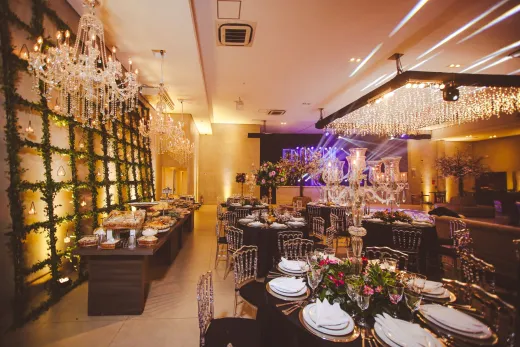
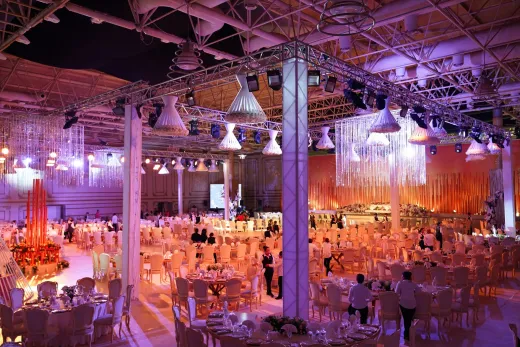
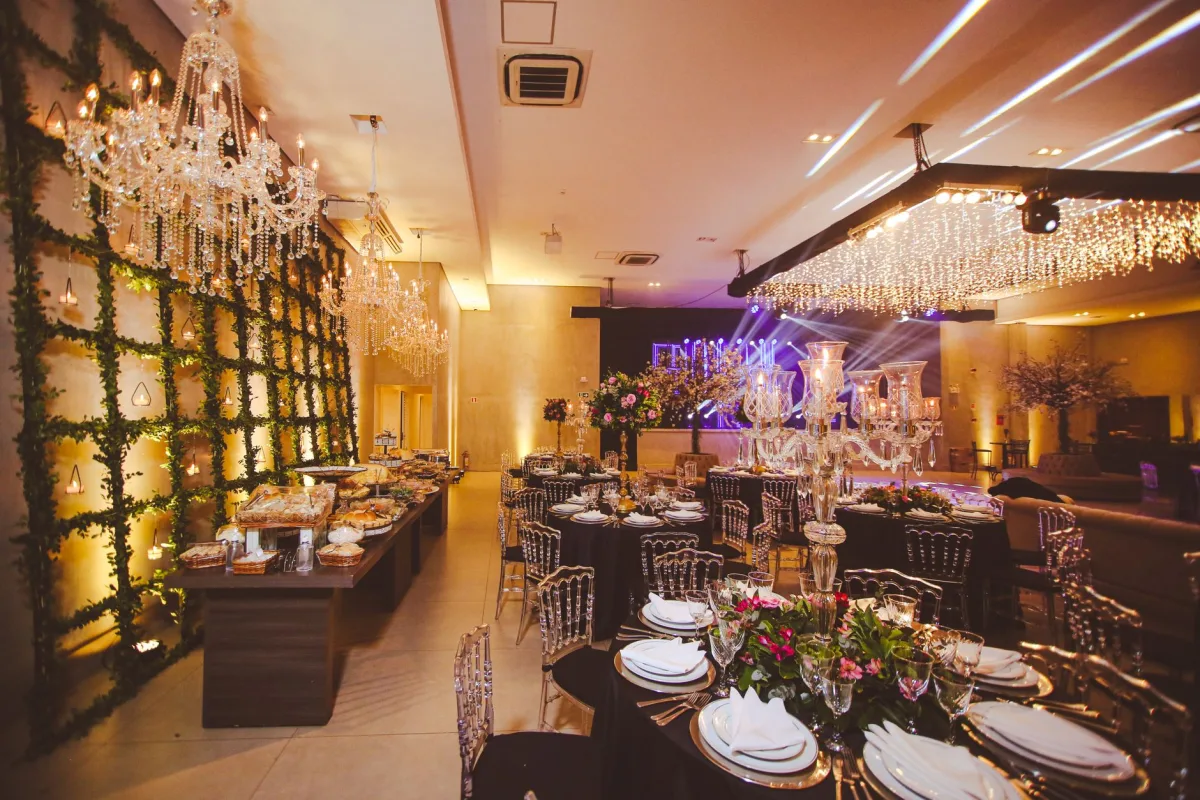
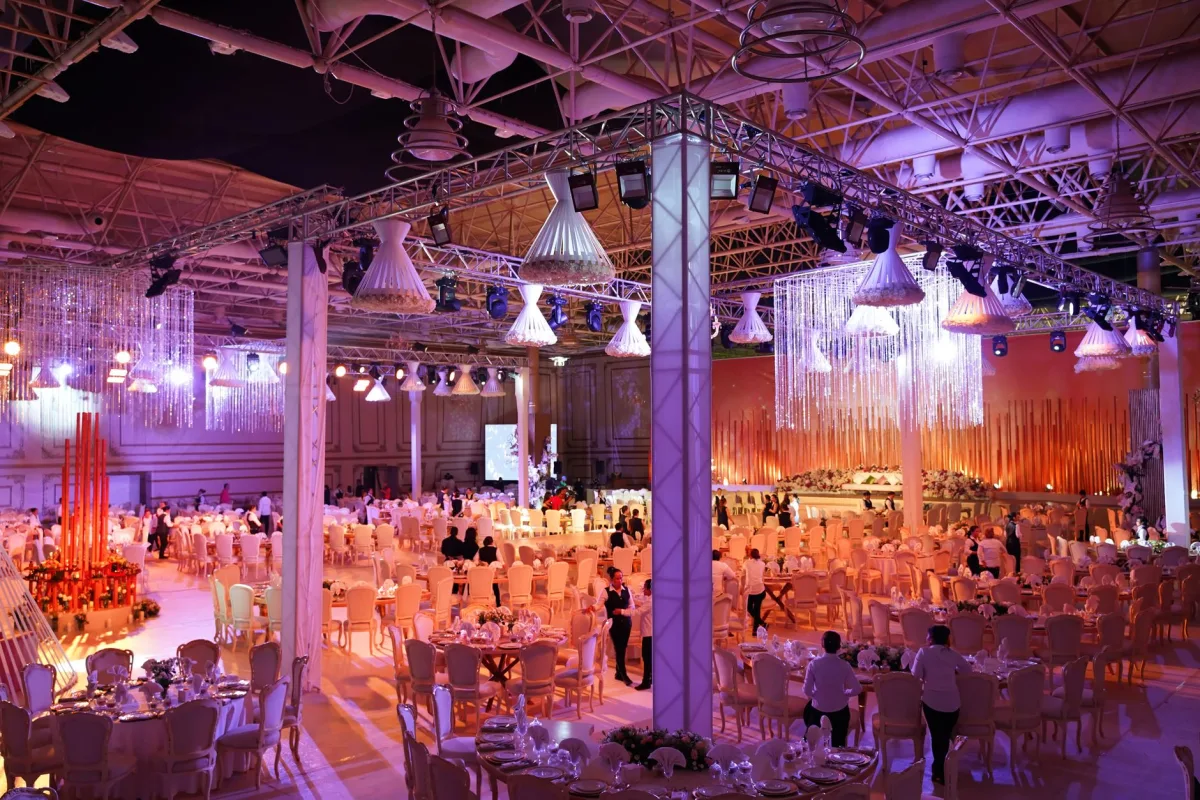
The phrase is a catch-all, and the results your search returns will sit in a few distinct families. A banquet hall is a purpose-built space designed for large seated meals and celebrations, often with in-house catering and staff. A hotel ballroom offers a similar experience with rooms and a bar attached. A community or civic hall is usually a bare, affordable box you dress and cater yourself, and a function room sits at a pub, club or restaurant.
Knowing which family a hall belongs to tells you most of what you need before you even visit. Banquet halls and hotels lean all-inclusive and higher-priced; community halls lean blank-canvas and cheap but labour-intensive. There is no better or worse, only which trade-off suits how much you want to organise yourself. Our fuller guide to wedding halls goes deeper on each type if you want to understand the categories before you shortlist.
How to read your "near me" results
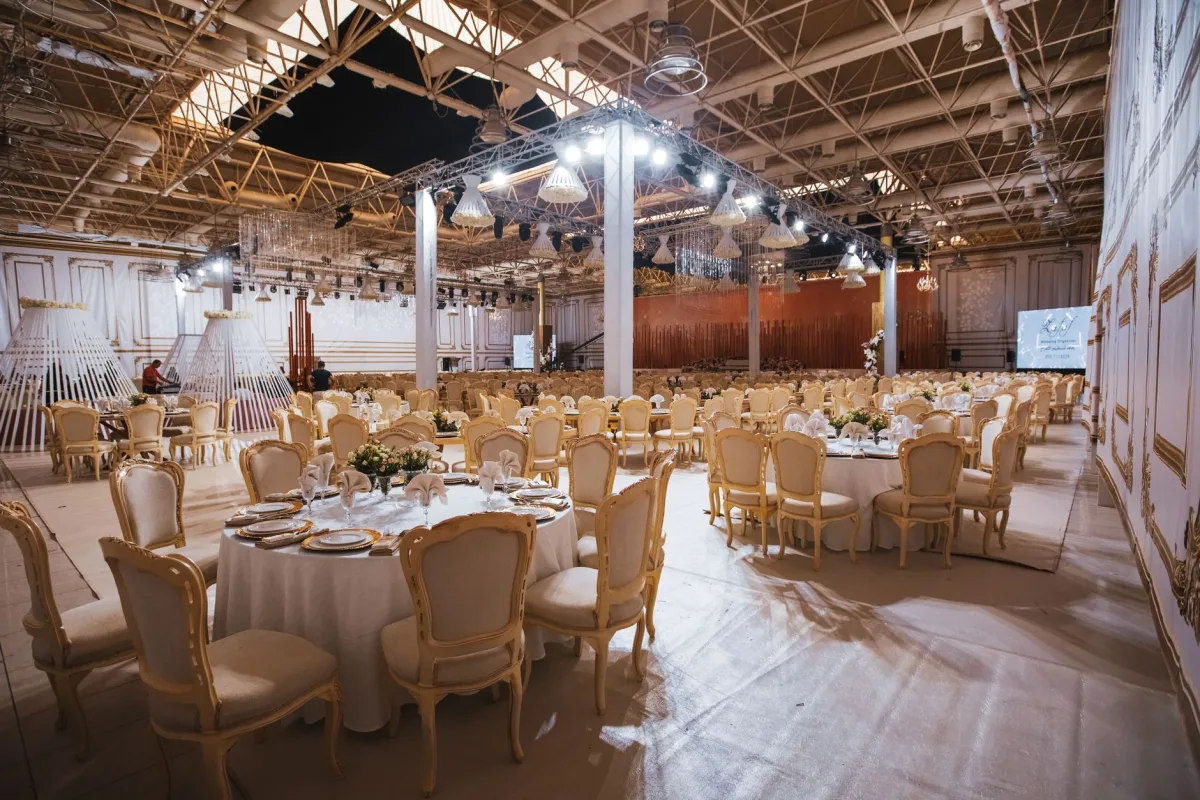
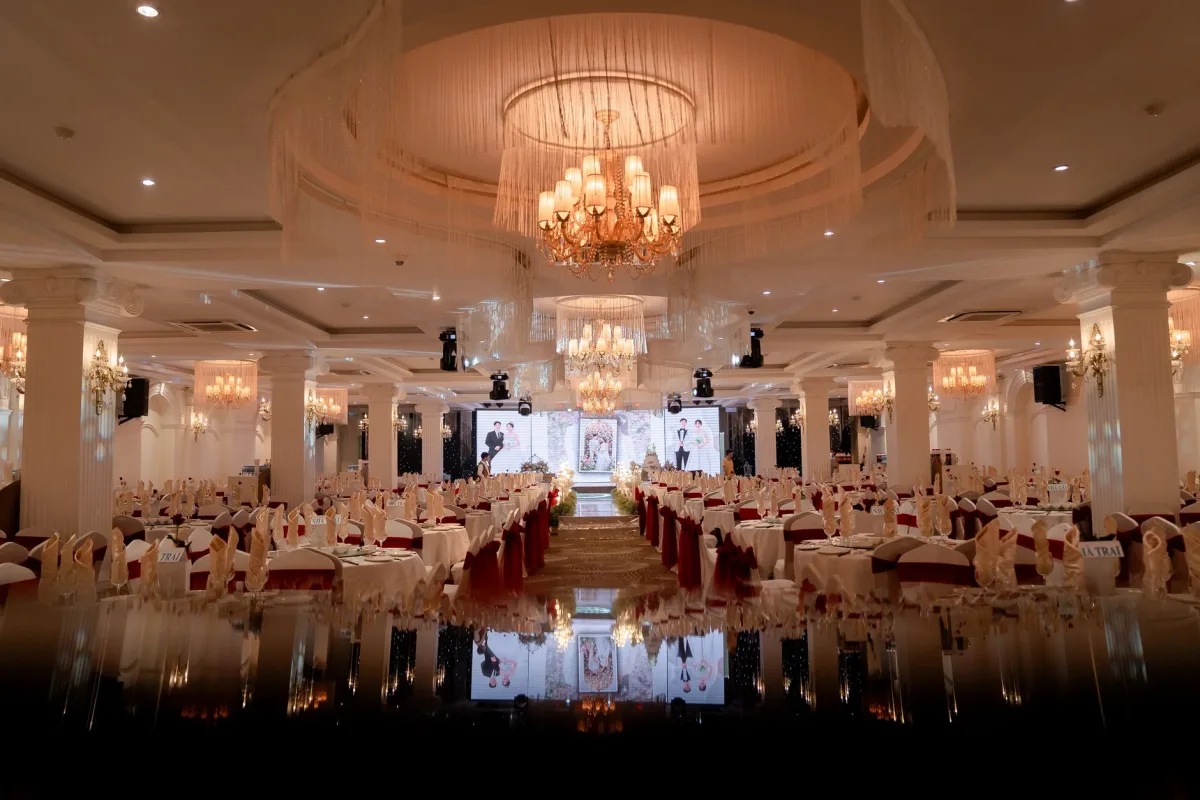
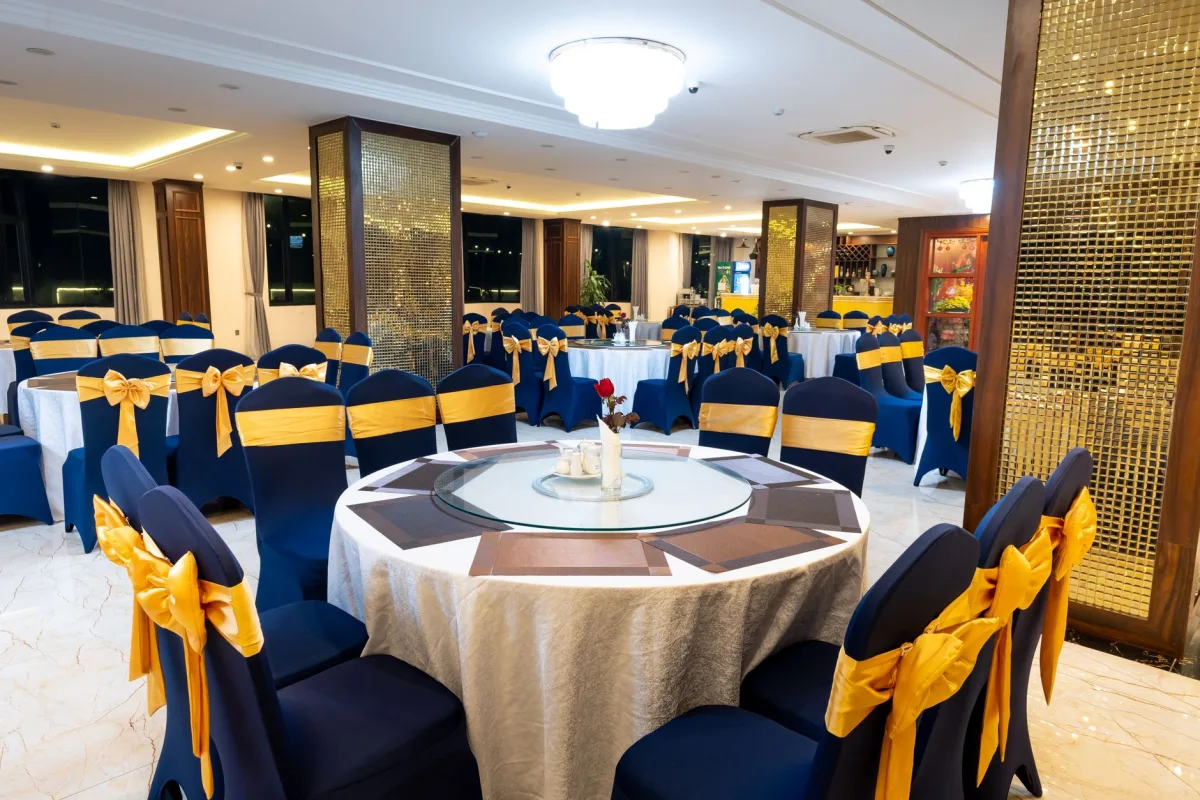
A local search sorts by proximity, ratings and how complete a listing is, none of which reflects whether a hall fits your wedding. Treat the first page as a long list to filter, not a ranking to trust. The nearest hall may be too small or already booked on your date; a slightly further one may be exactly right.
Give yourself a sensible radius. Guests will travel twenty to forty minutes without complaint, and a hall a little outside the busiest area is often better value and easier to book. Balance distance against travel for older relatives and the availability of nearby parking and accommodation. If you want to widen the field, our guide to wedding venues near you and the sister guide to banquet halls near you cover the same search from broader angles.
The criteria that actually decide it
Judge every candidate hall against the same short list. Photographs sell the room; these questions tell you whether it works.
Real seated capacity
Ask for the seated-dinner number with a dance floor and top table in place, not the theatre-style maximum. The two can differ by a third or more.
Catering arrangement
In-house only, an approved supplier list, or bring-your-own with a corkage or kitchen fee? This single line often decides the total cost and your menu freedom.
Hire hours and access
When can suppliers set up, and when must everyone be out? A short window means rushed styling and an early finish. Ask about overnight storage of gifts and decor.
Parking and access
Enough parking, step-free access, and a covered drop-off for guests with limited mobility. Easy to overlook, hard to fix on the day.
Sound and licensing
Is there a noise limiter or curfew on amplified music, and does the hall hold the licences for alcohol and civil ceremonies if you need them?
What is included
Tables, chairs, linen, staff, a cloakroom and cleaning may be included or all extra. Get the full inclusions list in writing before comparing prices.
What wedding halls really cost
Hall pricing varies enormously by type, location and season, so any figure is a broad guide, not a quote. A community or civic hall hired as a bare space sits at the low end but leaves you to arrange catering, tables, chairs and staff. A dedicated banquet hall or hotel ballroom usually costs more but bundles in food, staff and furniture, so the higher headline can be better value once everything is counted.
Watch for the minimum spend. Many halls attach a food-and-drink minimum, particularly on peak Saturdays, which can matter more than the hire fee. Off-peak dates, Fridays and Sundays, and winter months often carry lower prices. To compare fairly, rebuild each quote on the same footing: the total once you have a fed, seated, staffed room with tables, chairs and a bar. Record those line items on your wedding checklist so nothing hides in a footnote.
Making a bare hall beautiful
The upside of a plain hall is total creative freedom; the work is turning a blank box into a wedding reception that feels intentional. Lighting does the heavy lifting: uplighting the walls, warm festoon or fairy lights overhead, and candles on the tables transform a strip-lit hall into something atmospheric. Draping ceilings and walls softens hard lines, and a well-dressed top table and entrance anchor the room.
Bring the eye down to the tables with a consistent scheme, and let a good florist and stylist do in a day what would take you a week. If you are starting from an empty room, our roundups of wedding decoration ideas and wedding table decorations are the natural next read for turning the space into your day.
The viewing: what to check in person
Never book a hall on photographs alone. Visit, and if you can, visit when it is dressed for a wedding of roughly your size, because an empty hall looks bigger and colder than the real thing. Walk it as a guest would: entrance, cloakroom, bar, toilets, dance floor. Is it warm enough, or too warm in summer? Where are the emergency exits and how do they affect the layout? Does the room have natural light or is it a windowless box, and does that matter to you?
Ask the practical questions out loud: the noise curfew, the setup and pack-down window, what is included, the parking, and whether another wedding shares the building on the same day. Get the answers in writing. A confident venue welcomes the detail; one that gets vague is telling you something worth hearing.
Booking and the small print
When you commit, read the contract carefully. Confirm the exact date and hours, the deposit and cancellation terms, the full inclusions, any minimum spend, and the corkage or catering rules. Check whether wedding insurance is required, and take it out regardless. Clarify who sets up and clears down, whether you can store gifts overnight, and what happens if the hall becomes unavailable.
Then line up your caterer, florist and entertainment early, since the best local suppliers book out a year ahead for peak dates. A hall is only ever half the day; the catering, styling and music you layer into it are the rest. Matrimony360 keeps guides across every one of those pieces, so you can plan the whole reception in one place rather than piecing it together from scattered searches.
Frequently asked questions
How far should I search for wedding halls near me?
Start local for convenience, but be willing to travel twenty to forty minutes for a hall that fits your guest count and budget. Guests will travel that far without complaint, and halls slightly outside the busiest area are often better value and easier to book on your date. Balance the distance against travel for older relatives and the availability of parking and nearby accommodation.
What is the difference between a banquet hall and a community hall?
A banquet hall is purpose-built for large celebrations, usually with in-house catering, staff and furniture bundled in, and a higher price to match. A community or civic hall is typically a bare, affordable space you dress and cater yourself. Neither is better; the banquet hall saves you effort, the community hall saves you money but costs you time and organisation.
Why does the catering arrangement matter so much?
Because it often decides the real cost and your menu freedom. In-house-only catering bundles the food into the venue but limits your choices; an approved list balances the two; bring-your-own gives full freedom but may carry a corkage or kitchen fee. Always confirm which model applies before comparing hall prices, or you will be comparing very different totals.
What should I check at a hall viewing?
Ideally see the hall dressed for a wedding of your size, then walk it as a guest would through the entrance, bar, toilets and dance floor. Check the temperature, natural light, exits and layout, then ask about the noise curfew, setup and pack-down window, inclusions, parking and whether another wedding shares the building that day. Get every answer in writing.
How far ahead should I book a wedding hall?
Popular halls book out a year or more ahead for peak Saturdays in summer, so reserve as soon as you have a date if you have your heart set on a particular venue. Off-peak dates, Fridays, Sundays and winter months are easier to secure and often cheaper. Booking early also gives you first pick of local caterers, florists and entertainment.