Wedding Band Sets: The Complete Guide
What a matched pair really means, the metals that shape everything, and how to size, budget for and care for two rings you will wear every day.
A wedding band set is simply two rings bought as a pair, designed to sit together and be worn for decades. The idea sounds straightforward, and at heart it is, but a good set quietly solves several problems at once: it keeps two rings visually in tune, it usually costs less than buying each ring separately, and it takes the guesswork out of matching metals and finishes. This guide walks through what a set actually is, the metals and styles worth knowing, how sizing and comfort work, and how to spend sensibly without overthinking it.
The short version
- A "set" means matched, not identical. The two bands share a metal, finish and design language, sized separately for each hand.
- Buying as a pair usually saves money and guarantees the finishes agree, which is hard to fix later.
- Metal choice drives everything else: gold, platinum and the harder modern metals each behave differently on a working hand.
- Comfort and fit matter more than sparkle. You will wear these every day, so width, profile and sizing come first.
What a wedding band set actually is
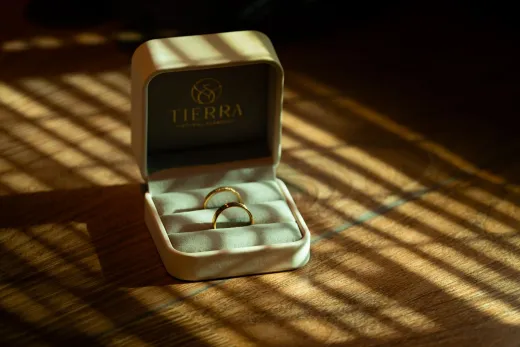
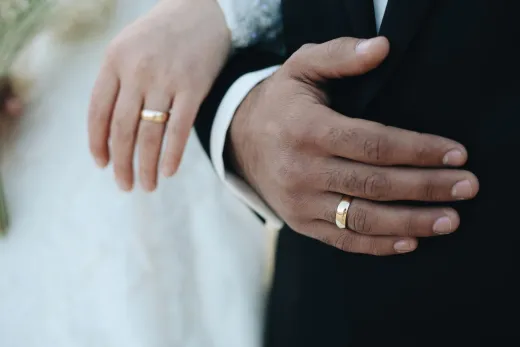
A wedding ring is a band worn to signal that its wearer is married, a custom that reaches back through Roman and earlier traditions and is now common across most of the world. A wedding band set takes that single object and designs it as a matched pair: one band shaped for one partner, one for the other, sold together so the two read as a deliberate couple rather than two rings that happen to share a drawer.
The important word is matched, not identical. Very few couples want two rings that are exactly the same, because hands, tastes and roles differ. What a set gives you is a shared design language: the same metal, the same finish, often the same profile or a repeated detail, scaled to suit each person. A wider, plainer band for one partner and a slimmer, stone-set band for the other can absolutely be a set, as long as they clearly belong to the same family. If you are still deciding between a plain pair and a stone-set pair, our overview of wedding bands lays out the broader landscape before you narrow down.
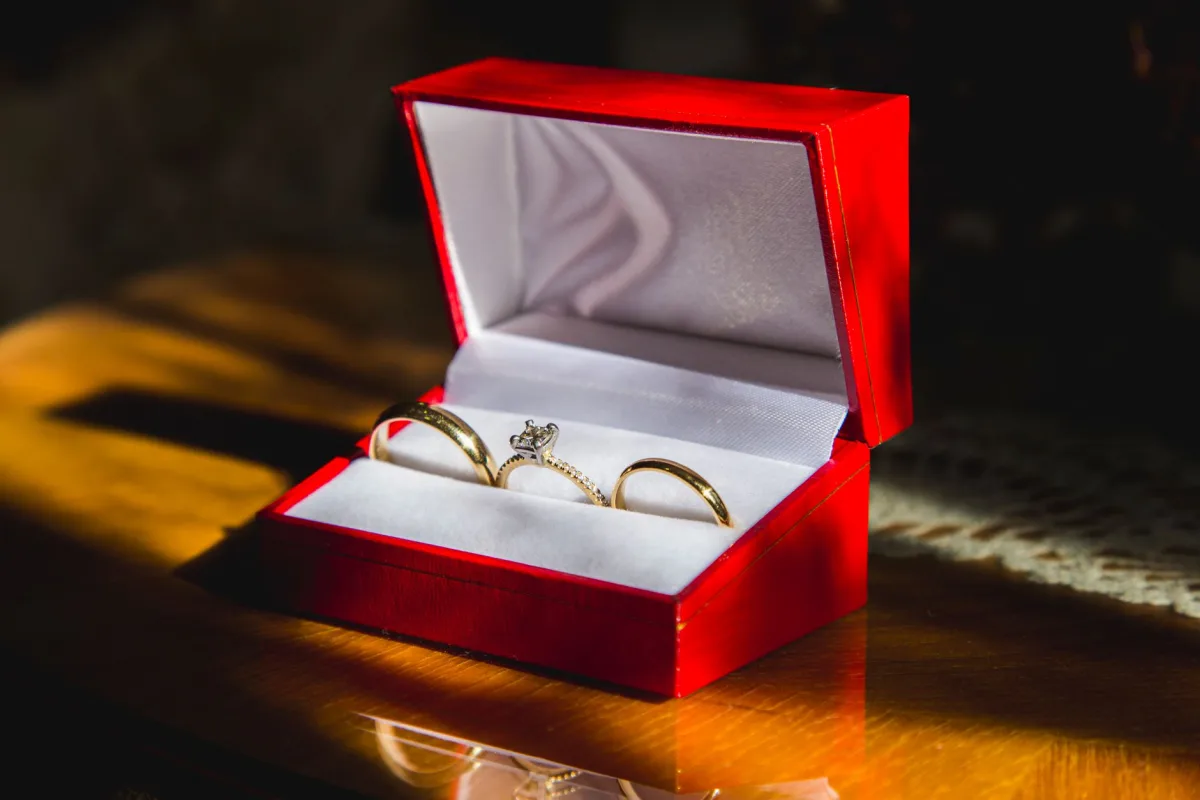
Sets come in two broad shapes. A his-and-hers set pairs two bands for the two partners. A bridal set, by contrast, pairs an engagement ring with a matching wedding band for the same hand, designed to nest together. This guide is mostly about the first kind, though much of the metal and sizing advice applies to both. For the second, our guide to wedding ring sets goes deeper on the nesting engagement-plus-band combination.
Why couples buy a set rather than two separate rings
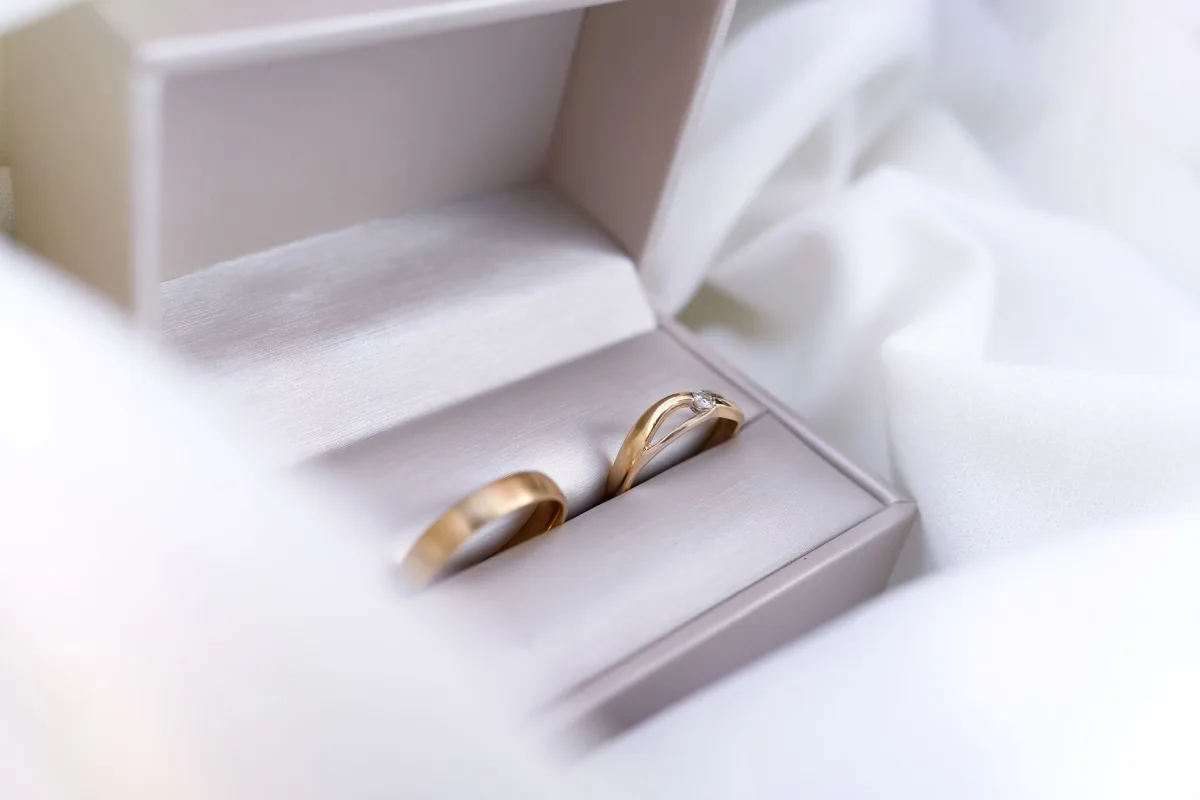
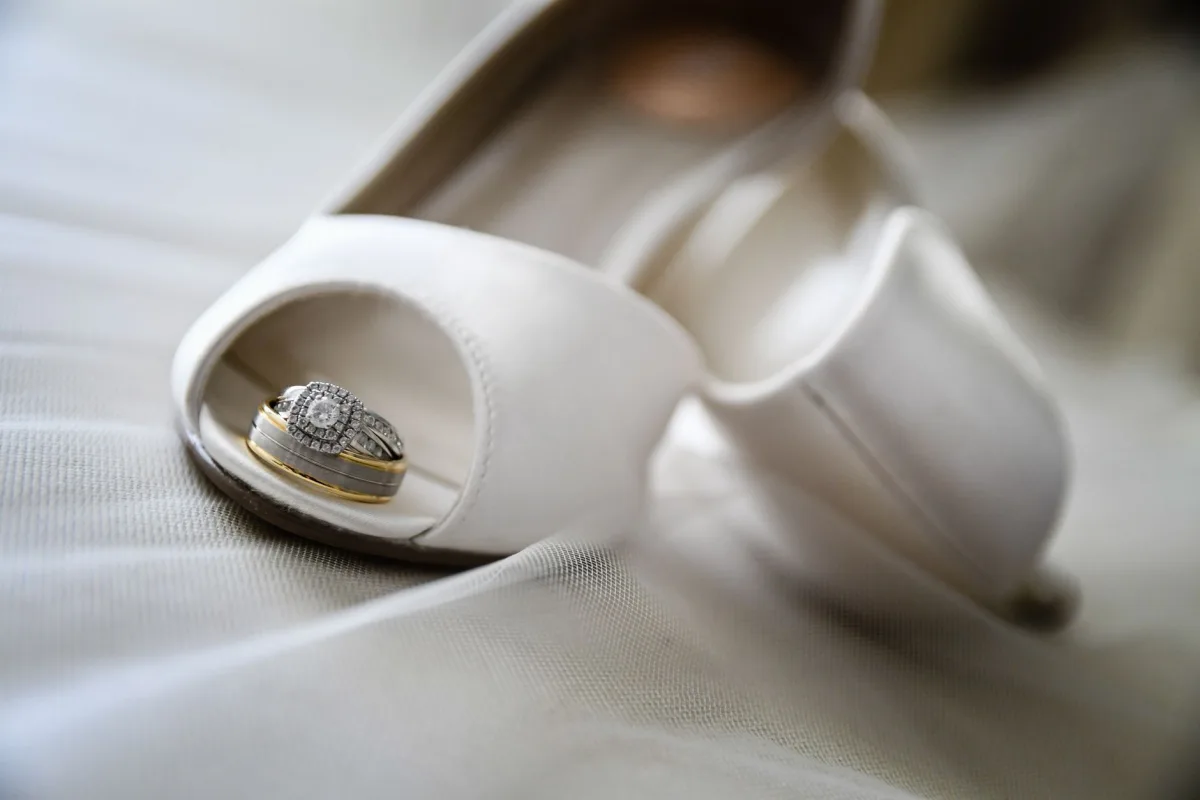
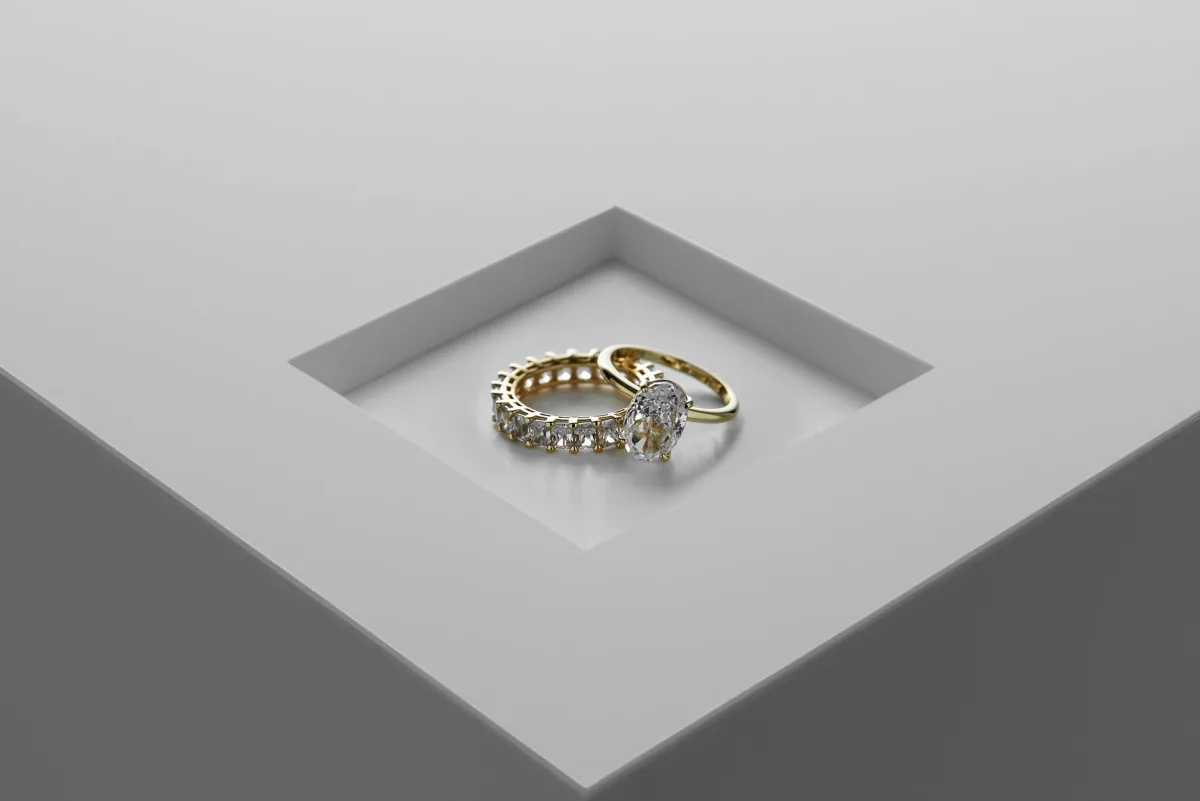
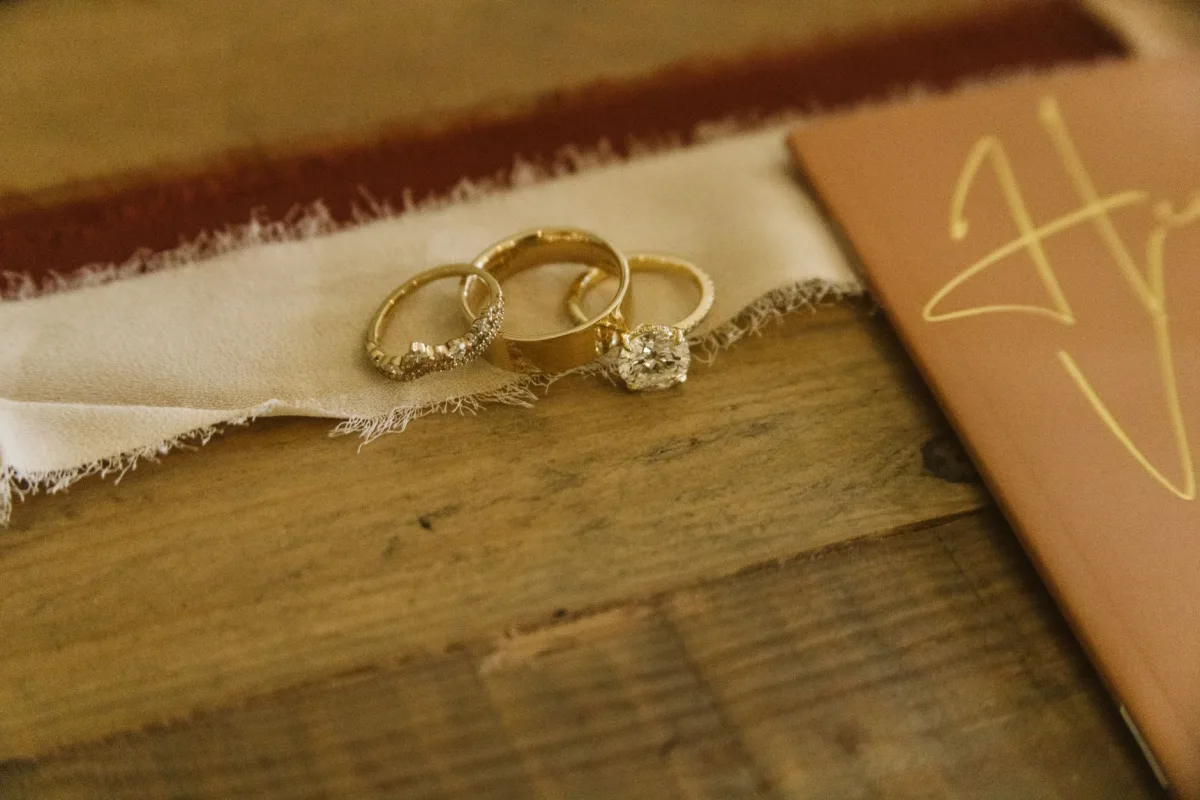
The most practical reason is consistency. Metals and finishes are surprisingly hard to match after the fact. Two "yellow gold" bands from different makers can sit at different karat values and read as subtly different shades side by side, and a brushed finish from one workshop rarely lines up with a brushed finish from another. Buying the pair from one source, made to the same specification, removes that risk entirely.
The second reason is cost. Jewellers routinely price a matched pair below the sum of the two rings bought alone, partly as an incentive and partly because making two related pieces in one run is more efficient. You should still confirm the pair price rather than assume it, but the saving is real often enough to be worth asking about.
The third reason is simply ease. Choosing rings is one of many decisions in a long planning list, and a set collapses several choices, metal, finish, width relationship, into a single coordinated decision. For couples who want their rings to feel connected without labouring over every detail, that is a genuine relief. If you like the idea of a shared theme running through both bands, our piece on wedding bands for couples explores how far to take the matching before it starts to feel forced.
Choosing the metal
Metal is the decision that shapes almost everything else: colour, weight, durability, how the band ages, and price. Because a set shares one metal across both rings, it is worth understanding the main options before you fall for a particular style.
Yellow and rose gold
Gold is alloyed for strength; common grades are 9, 14 and 18 karat. Warm, classic and easy to resize, though softer at higher karats.
White gold
Gold alloyed to a white tone, usually plated with rhodium for brightness. Beautiful, but the plating wears and needs occasional re-dipping.
Platinum
Platinum is dense, naturally white and very durable. It develops a soft patina rather than losing metal, and costs more per gram.
Titanium and tungsten
Hard, light (titanium) or heavy and scratch-resistant (tungsten). Excellent for active hands, but generally cannot be resized, only replaced.
Palladium
A naturally white metal in the platinum family, lighter than platinum and hypoallergenic. Less common, but a quiet favourite for a durable white band.
Silver and cobalt
Silver is affordable but soft and tarnishes; cobalt is a harder, brighter white alternative. Both suit a lower budget or a first ring.
A useful rule for sets: pick the metal for the partner whose lifestyle is hardest on a ring, then confirm the softer partner is happy in the same metal. If one of you works with your hands, the resize-friendly golds or the ultra-hard tungsten pull in opposite directions, and the set has to reconcile that. There is no single right answer, only the one that fits how you both actually live.
Matching styles without matching exactly
Once the metal is settled, the design conversation is about how closely the two bands should echo each other. The most common and most flattering approach is a shared motif rather than a mirror image. A repeated milgrain edge, the same brushed centre with polished sides, a matching bevel, or an engraved line that runs through both bands, any of these ties a pair together while letting each ring suit its wearer.
Width is where sets usually diverge on purpose. A broader band tends to suit a larger hand and a slimmer band a smaller one, so a set of, say, six millimetres and three and a half millimetres can look perfectly balanced even though the numbers differ. Stones are the other point of difference: many couples choose one plain band and one with a line of small diamonds or a single accent, which reads as complementary rather than competing. If a single sparkling stone across the pair appeals, the ideas in our guide to diamond bands transfer neatly to the stone-set half of a set.
Sizing, width and comfort fit
A band you wear every day has to earn its place through comfort, not just looks. Three things decide how a band feels: its size, its width, and its inner profile. Size should be measured at the end of the day when fingers are at their largest, and ideally in a similar temperature to normal life, because fingers swell in heat and shrink in cold. Getting a professional measurement for each partner beats guessing from an old ring.
Width changes the feel more than people expect. A wider band covers more skin and can feel tighter at the same nominal size, so many jewellers suggest sizing a wide band a touch larger. The inner profile matters too: a "comfort fit" band is slightly domed on the inside so it slides on easily and sits softly, which many daily wearers prefer over a flat interior. Because a set locks in a width relationship, try both bands on together before committing, so the pair feels right on two real hands rather than in a catalogue photo.
Setting a budget for the pair
Because a set is two rings, budget is best set as a total for the pair rather than per ring. Prices range enormously. A modest but genuine pair in silver, titanium or lower-karat gold can be found for a couple of hundred in most currencies; a mid-range gold or palladium pair sits higher; and a platinum pair with diamonds runs higher again. None of that makes the cheaper pair less meaningful, and none of it makes the expensive pair a better marriage. Treat these as broad bands, not quotes, and always confirm the current price with the jeweller, since metal markets move.
A few honest ways to control the total without regret: choose a lower karat of the same colour gold, keep one or both bands plain, choose a naturally white metal instead of plated white gold to avoid re-plating costs, and be wary of paying for a heavier band than you find comfortable. If a set stretches the budget, remember that many couples upgrade or add to their rings on a later anniversary, so the first pair does not have to be the last word. For where rings sit in the wider spend, our wedding budget checklist puts the number in context alongside everything else.
Care, engraving and living with your set
A set worn daily will pick up the marks of a life, and that is not a flaw. Softer metals show fine scratches that a jeweller can polish out; platinum develops a patina many owners grow to love; plated white gold needs an occasional re-dip to stay bright. Take rings off for heavy manual work, gym sessions and swimming in chlorine or salt, and clean them gently at home with warm water and a soft brush.
Engraving is the small touch that turns a bought pair into your pair: a date, initials, a short line, or a single word inside each band. Keep it short, confirm the artist can fit it inside your chosen width, and remember that deep engraving is harder to do on the very hard metals. Done well, it is the private half of a public symbol, and it costs very little to add when the set is made.
Frequently asked questions
Do both rings in a set have to look identical?
No, and most couples deliberately choose bands that are matched rather than identical. A set shares a metal, a finish and usually a design detail, but the two bands are often different widths, and one may carry stones while the other stays plain. The goal is for the pair to clearly belong together while each ring suits the hand that wears it. Identical rings are an option, not a requirement.
Is buying a set actually cheaper than buying two rings separately?
Often, yes. Many jewellers price a matched pair below the combined cost of the two rings bought individually, both as an incentive and because making related pieces together is efficient. The saving is not guaranteed, so ask for the pair price directly and compare it against the two single prices. Even where the discount is small, buying together guarantees the metals and finishes match, which is difficult and costly to correct later.
Which metal is best for a wedding band set?
There is no single best metal, only the best fit for how you live. Gold is warm and easy to resize; platinum and palladium are naturally white and very durable; titanium and tungsten are extremely hard and great for active hands but usually cannot be resized. A practical approach is to choose the metal around the partner whose lifestyle is toughest on a ring, then confirm the other partner is comfortable in the same metal, since a set shares one throughout.
Can a wedding band set be resized later?
It depends on the metal. Gold, platinum, palladium and silver can generally be resized by a jeweller, up or down within reason. The very hard metals such as titanium and tungsten usually cannot be resized and are replaced instead if the fit changes. Because fingers change over a lifetime, this is worth weighing before you buy, especially if you expect weight or life changes ahead.
What is the difference between a his-and-hers set and a bridal set?
A his-and-hers set is two wedding bands, one for each partner, designed to coordinate with each other. A bridal set pairs an engagement ring with a matching wedding band for the same hand, designed to nest together as one look. They solve different problems: the first coordinates two people's rings, the second coordinates two rings on one finger. Some couples buy both, matching across all the rings involved.