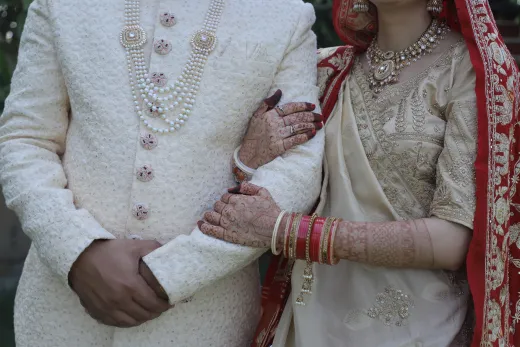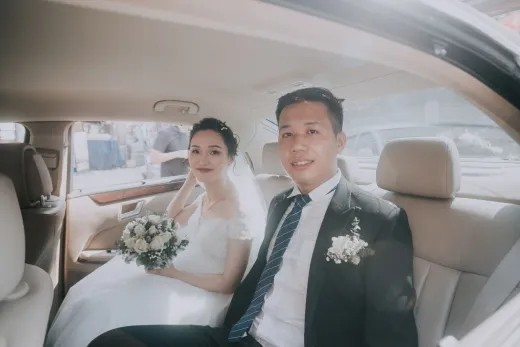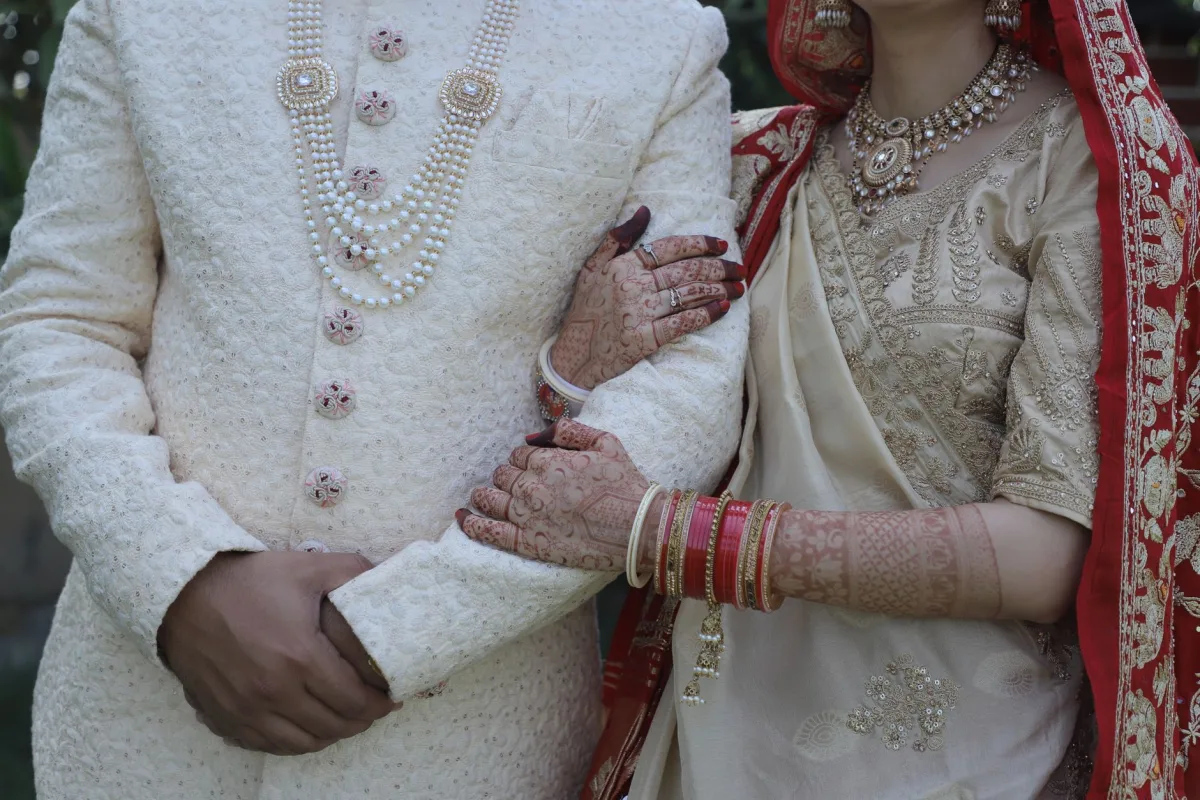
Wedding Couple: The Complete Guide
A complete guide to the pair at the heart of a wedding: what the phrase means, traditional and modern roles, planning together, and crossing from wedding couple to married couple.
Every wedding, however large or small, has one thing at its centre: the couple. The flowers, the venue, the guest list and the cake all orbit two people making a public promise to each other. Yet in the rush of planning, the couple can end up as the least considered part of their own celebration, treated as the subjects of an event rather than its heart. This guide puts them back where they belong, walking through what "wedding couple" means, the roles the two people hold, how to plan as a team, and how to actually be present on the day the whole thing is for.
The short version
- The couple is the point. Everything else at a wedding exists to mark the union of two people, not the other way around.
- Plan as a team, not a project. How you make decisions together while planning previews how you will make them married.
- Roles are traditional, not compulsory. The old scripts for the couple are a starting point you are free to rewrite.
- Presence beats perfection. The couples who enjoy their wedding are the ones who let the small things go and stay in the moment.
What "wedding couple" actually means
A wedding is the ceremony and celebration in which two people are united in marriage, and the "wedding couple" is simply the pair at its centre: the two people being married. Traditionally this pair has been described as the bride and the groom, but the more neutral phrase "wedding couple" reflects the reality that couples come in many forms and that the older terms do not fit every celebration. What unites them all is the same thing: two people choosing each other in front of others.
It helps to separate the couple from the wedding in your mind. The wedding is a single day, an event with a start and an end. The couple is the ongoing reality the day exists to mark. When planning gets overwhelming, that distinction is a compass: decisions that serve the couple and their marriage matter more than decisions that serve the event's polish. A day can be flawless and forgettable, or imperfect and deeply meaningful. The difference is almost always how present the couple managed to be.
The couple's roles, traditional and modern
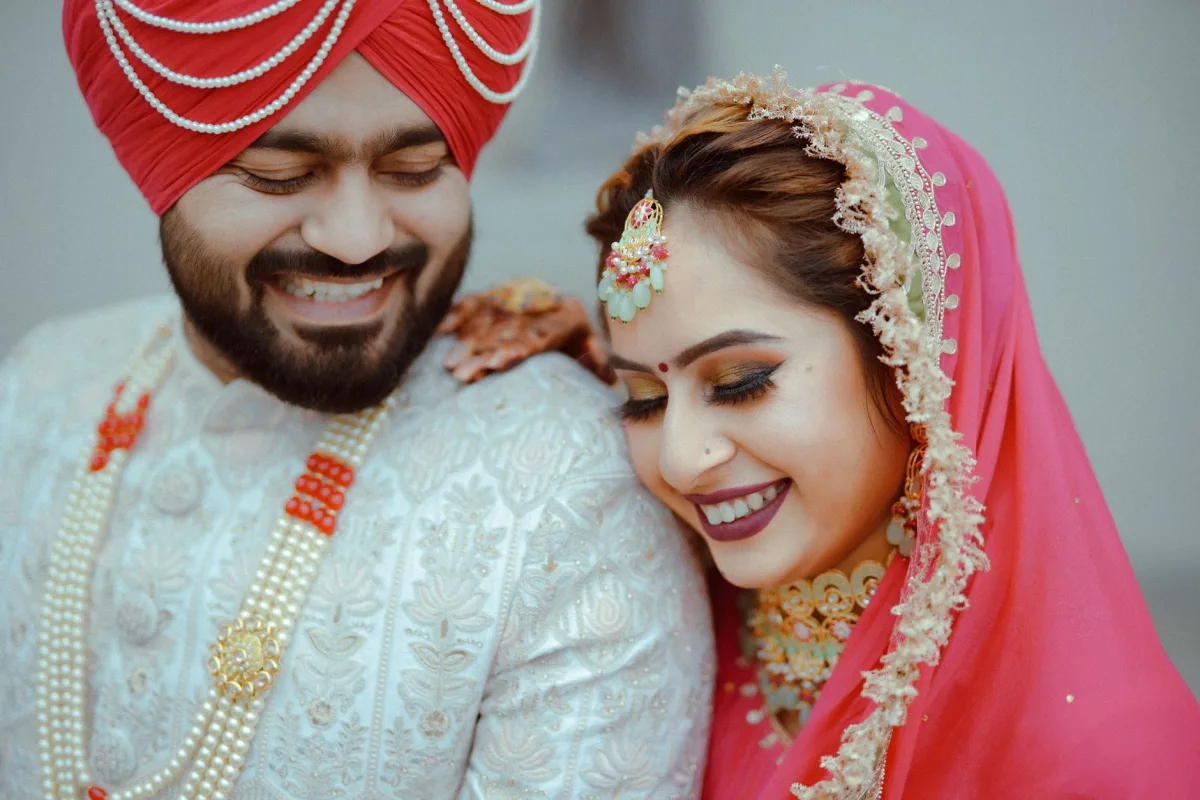
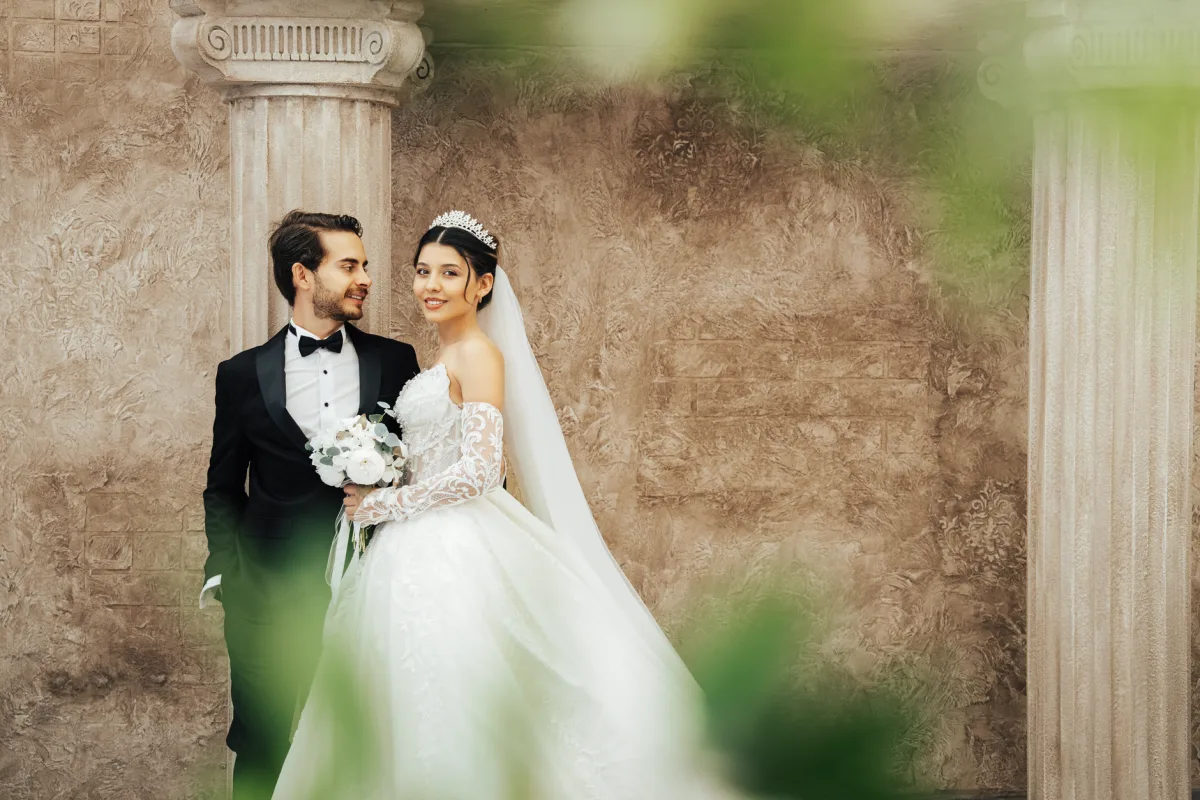
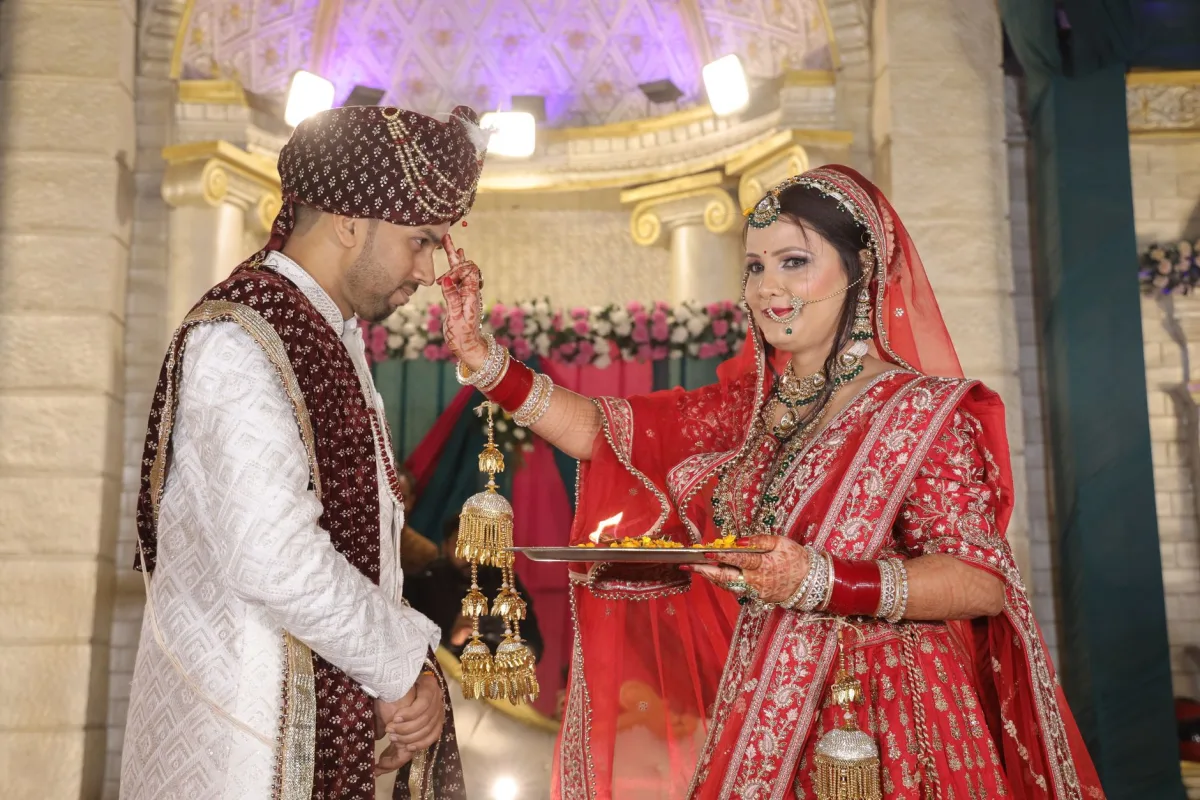
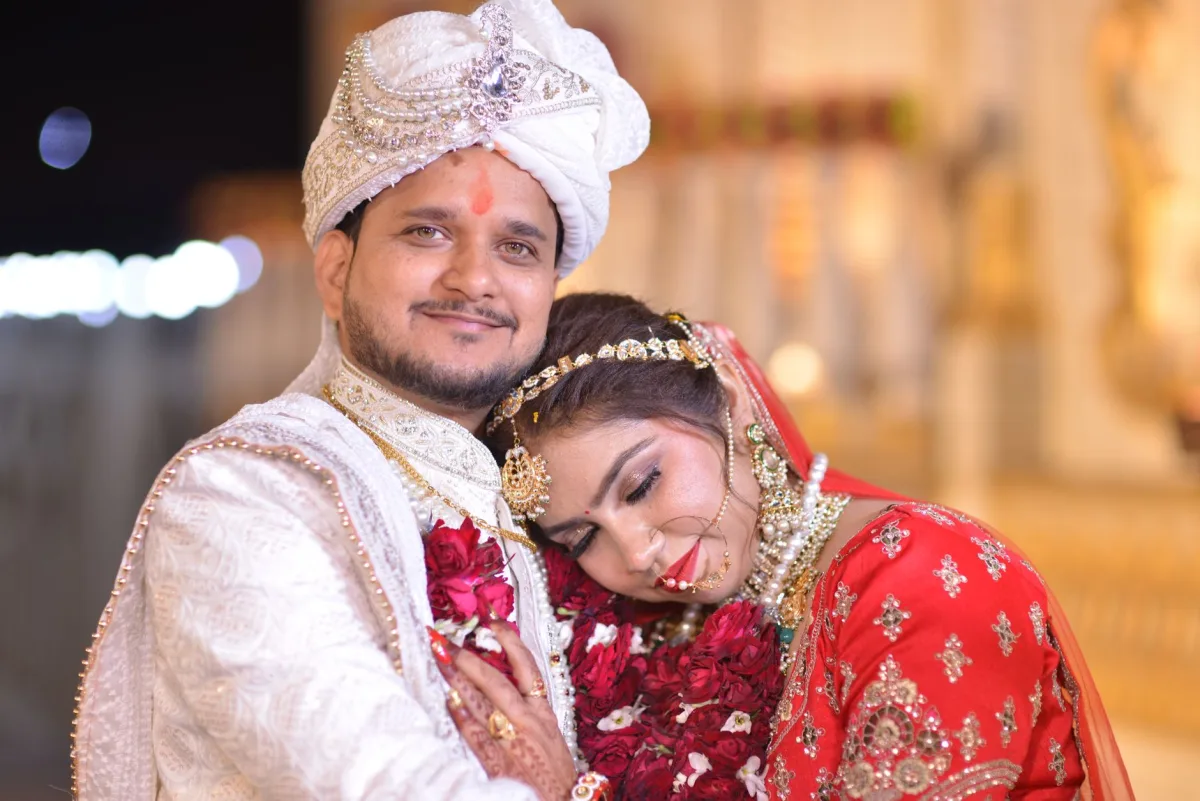
Historically the two members of a wedding couple were handed fairly fixed scripts, and it is worth knowing them, both because many couples still follow them and because you cannot decide what to keep until you know what the tradition assumed. These roles are a menu, not a mandate.
The bride
Traditionally the centre of the day's attire and attention, with much of the pre-wedding celebration built around her. In many cultures her family plays a specific ceremonial and hosting role.
The groom
Traditionally the one who proposes and, in some customs, whose family hosts or receives. His visible role in the ceremony varies widely by culture and faith.
The couple as hosts
Increasingly the two act jointly as hosts of their own celebration, sharing decisions, cost and the welcome of guests rather than following a single family's lead.
The couple as a unit
The modern trend is to blur the separate scripts entirely, with both partners shaping every part of the day according to what suits them rather than inherited expectation.
The healthiest approach is to treat the traditional roles as raw material. Keep what carries meaning for you and your families, set aside what does not, and be explicit with each other about which is which. Couples run into trouble not when they break tradition but when they assume the other person wants the same things they do without ever checking. For the deeper history and etiquette of the two central figures, our full guide to the bride and groom goes further than there is room for here.
Planning as a couple, not a solo project
Wedding planning is often quietly offloaded onto one partner, which is both unfair and a missed opportunity. The way a couple plans a wedding is a live rehearsal for how they will handle money, family, disagreement and big decisions as a married couple. Treated that way, the planning becomes useful rather than merely stressful.
A few habits keep it a shared endeavour. Divide the work by genuine interest and strength rather than by default assumption about who "should" handle what. Agree the budget together first, because money is the single most common source of wedding conflict and the easiest to defuse with an early, honest conversation. And build in decision points where you step back from the details and check that the day you are building still reflects both of you. Our wedding planning checklist gives the task-by-task structure, but the principle above it is simple: plan as two people, not as one person with an assistant.
- Set the budget together, early. Numbers agreed at the start prevent most later arguments. Decide what the day is worth to you both before vendors define it for you.
- Divide by strength, not stereotype. Let each partner own the parts they genuinely care about. Ownership beats grudging help.
- Name the non-negotiables. Each of you should say the one or two things that truly matter, so compromise happens everywhere else without resentment.
- Manage the families as a team. Present decisions as a united couple, so neither of you is left defending the other's family alone.
- Protect time as a couple. Keep some evenings wedding-free. The relationship still needs feeding while the event is being built.
The couple on the wedding day
On the day itself, the couple's real job is not to manage logistics but to be present for the thing they spent months building. This sounds obvious and is surprisingly hard, because the instinct is to keep steering. The couples who look back on their wedding with joy are almost always the ones who handed the steering to someone else and let themselves simply live it.
Delegate ruthlessly. Anything that can be handled by a coordinator, a member of the wedding party or a trusted relative should be, so that neither of you is fielding vendor questions during your own ceremony. Expect something to go slightly wrong, because at almost every wedding something does, and decide in advance that it will not touch you. Eat something, drink water, and steal a few minutes alone together at some point in the day; many couples say those quiet minutes, away from the crowd, are what they remember most. The day moves fast, and presence is the only way to actually keep it.
From wedding couple to married couple
The wedding ends and the marriage begins, and the transition is worth naming because it can catch couples off guard. After months of a shared, all-consuming project, the sudden quiet once the event is over can feel strange, even flat. This is normal. The couple simply moves from planning an event to living a life, which is a change of gear rather than a loss.
The habits that made planning go well are the same ones that make a marriage go well: honest conversation about money, shared decisions, clear expectations, and protected time together. In that sense a wedding well planned is a marriage well begun. Our guides to the newly married couple and to life as a settled married couple pick up exactly here, and our overview of marriage as an institution sets the whole journey in its wider context. The wedding was the doorway; the marriage is the house.
Where matrimony360 fits
Our part of this story is the very beginning, before there is a wedding couple at all: helping two people meet with marriage as the honest intention, on verified profiles rather than in a casual swipe culture. Everything in this guide, the shared planning, the day, the marriage that follows, is what the introduction is ultimately for. We think it is worth writing about the whole arc, not just the first step, because the point of a good match was never the match itself. It was the life two people build afterward.
The bottom line
A wedding couple is not a set of roles or a pair of subjects to be photographed. It is two people at the centre of their own celebration, and the day works best when it is built around them rather than the other way round. Plan as a team, treat the traditional scripts as a menu, delegate hard enough to actually be present, and remember that the wedding is the doorway rather than the destination. Do that, and you cross from wedding couple to married couple with the most important thing already in place: the partnership the whole day was for.
Frequently asked questions
What does "wedding couple" mean?
It refers to the two people at the centre of a wedding, the pair being united in marriage. Traditionally described as the bride and groom, the more neutral phrase reflects that couples take many forms. What matters is the shared reality it names: two people publicly choosing each other, with the entire celebration existing to mark that union rather than the other way around.
Should the couple plan the wedding together?
Ideally, yes. Wedding planning is often offloaded onto one partner, but sharing it is fairer and more useful, because how a couple plans previews how they will handle money, family and big decisions once married. Divide the work by genuine interest, agree the budget together early, and keep checking that the day still reflects both of you rather than one person's vision alone.
Do we have to follow traditional bride and groom roles?
No. The traditional roles are a starting point, not a rule. Keep the customs that carry meaning for you and your families, set aside the ones that do not, and be explicit with each other about which is which. Couples run into difficulty less from breaking tradition than from assuming their partner wants the same things without ever actually checking.
How can a couple actually enjoy their wedding day?
By delegating the logistics and staying present. Hand anything that can be managed by a coordinator or the wedding party to them, so neither of you is fielding questions during your own ceremony. Expect a small hitch and decide in advance it will not touch you, eat and drink through the day, and steal a few quiet minutes alone together. Presence, not perfection, is what makes the day memorable.
What changes after the wedding?
The couple moves from planning an event to living a marriage, which can feel oddly quiet after months of an all-consuming project. That flatness is normal. The habits that made planning go well, honest talk about money, shared decisions and protected time together, are the same ones that make a marriage go well, so a wedding well planned tends to be a marriage well begun.