Bride and Groom: The Complete Guide
Where the words come from, what each person traditionally does, how the roles fit together across the day, and how couples are rewriting them to suit themselves.
Every wedding, in every culture, is built around two people and the roles they step into for a day: the bride and the groom. The words feel obvious until you stop and look closely, and then you find a surprising amount packed inside them: centuries of custom, a shifting set of duties, a language of dress and gesture, and a modern conversation about what those roles even mean anymore. This guide takes the pair as a single subject. It covers where the terms come from, what each person traditionally does, how the two roles fit together across the day, and how couples are quietly rewriting the whole script to suit themselves.
The short version
- Bride and groom are roles, not just labels. Each carries a set of customs, duties and a place in the day's choreography.
- The words are old. "Bride" reaches back to Old English; "groom" is a worn-down form of the older "bridegroom".
- Their duties overlap more than they divide. The real job of both is to show up prepared, present and gracious.
- The roles are changing fast. Shared planning, blended traditions and same-gender couples are reshaping who does what.
What "bride and groom" actually means
A bride is a woman on her wedding day or in the period just around it, and a bridegroom, almost always shortened to "groom", is the man in the same window. Both words are strikingly old. "Bride" descends from Old English and is shared across the Germanic languages, while "bridegroom" joins the same root to an old word for "man", which over centuries wore down to the "groom" we say today. The modern overlap with "groom" meaning a stable hand is an accident of language, not a shared origin.
What matters more than the etymology is that these are temporary roles, not permanent identities. A person is a bride or a groom for a season measured in months of preparation and a single peak day, after which they become spouses: a wife, a husband, a partner. Understanding the pair as a role you step into and then step out of takes a lot of the pressure off. You are not being asked to become a different person, only to carry a part gracefully for one well-planned day.
Bride
The woman marrying, from the run-up through the wedding day. The word is Old English and shared across Germanic languages.
Groom (bridegroom)
The man marrying. "Groom" is a shortened, softened form of the older "bridegroom", where the second part once simply meant "man".
The couple
The two together are the centre of the day. In modern usage the pair may be bride and groom, two brides, two grooms, or partners who use neither term.
Spouses
Who the pair become once married: wife and husband, or simply partners. The bridal roles end; the marriage begins.
What the bride traditionally does
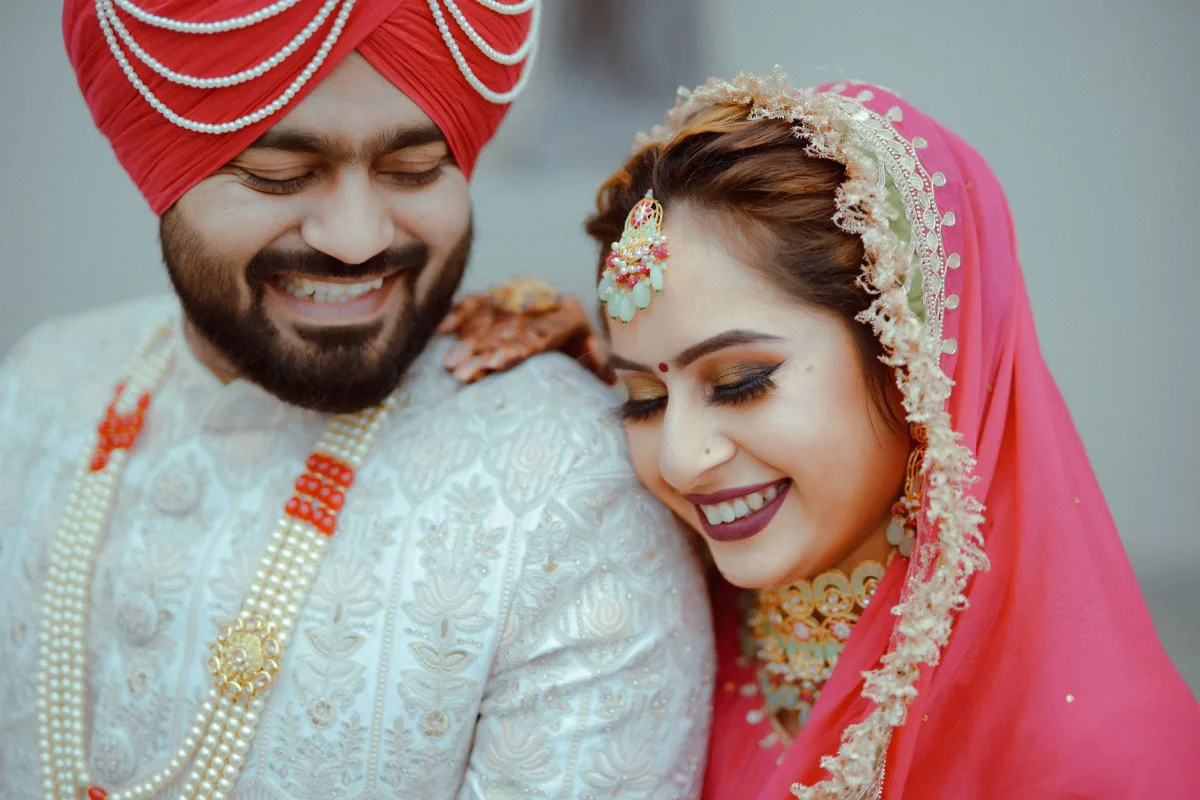
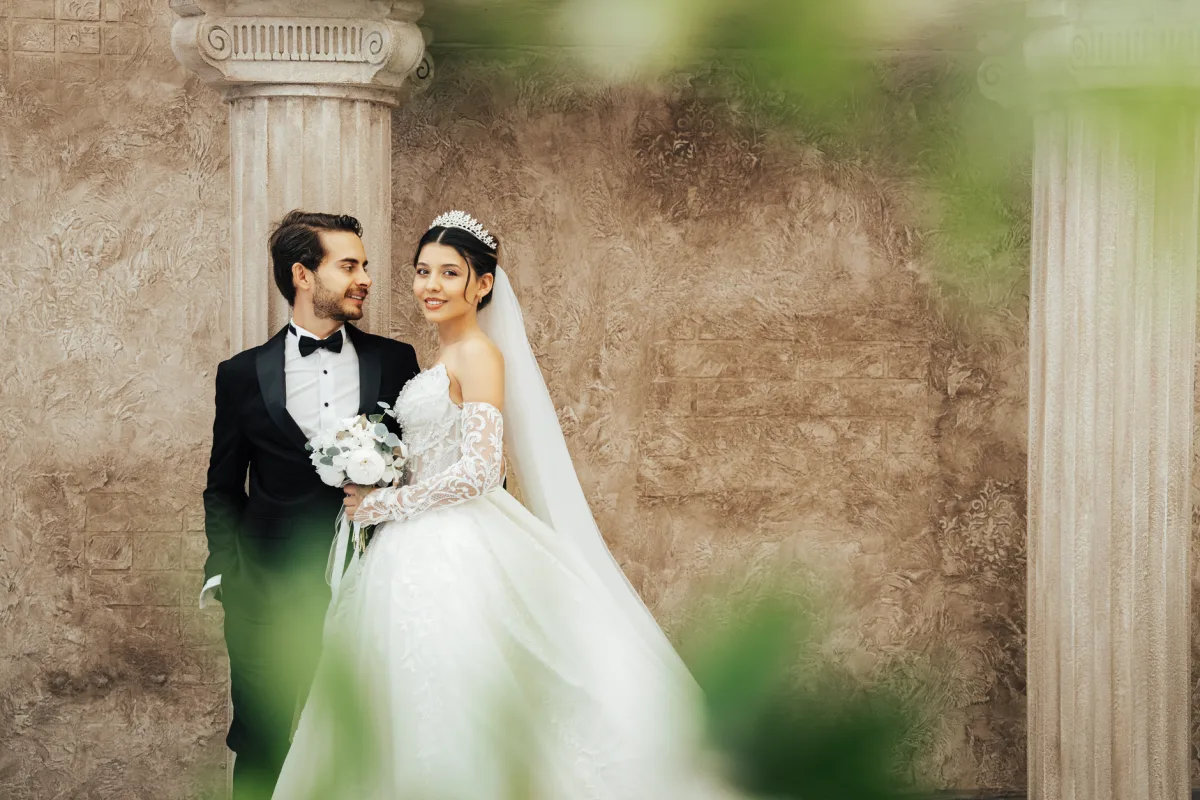
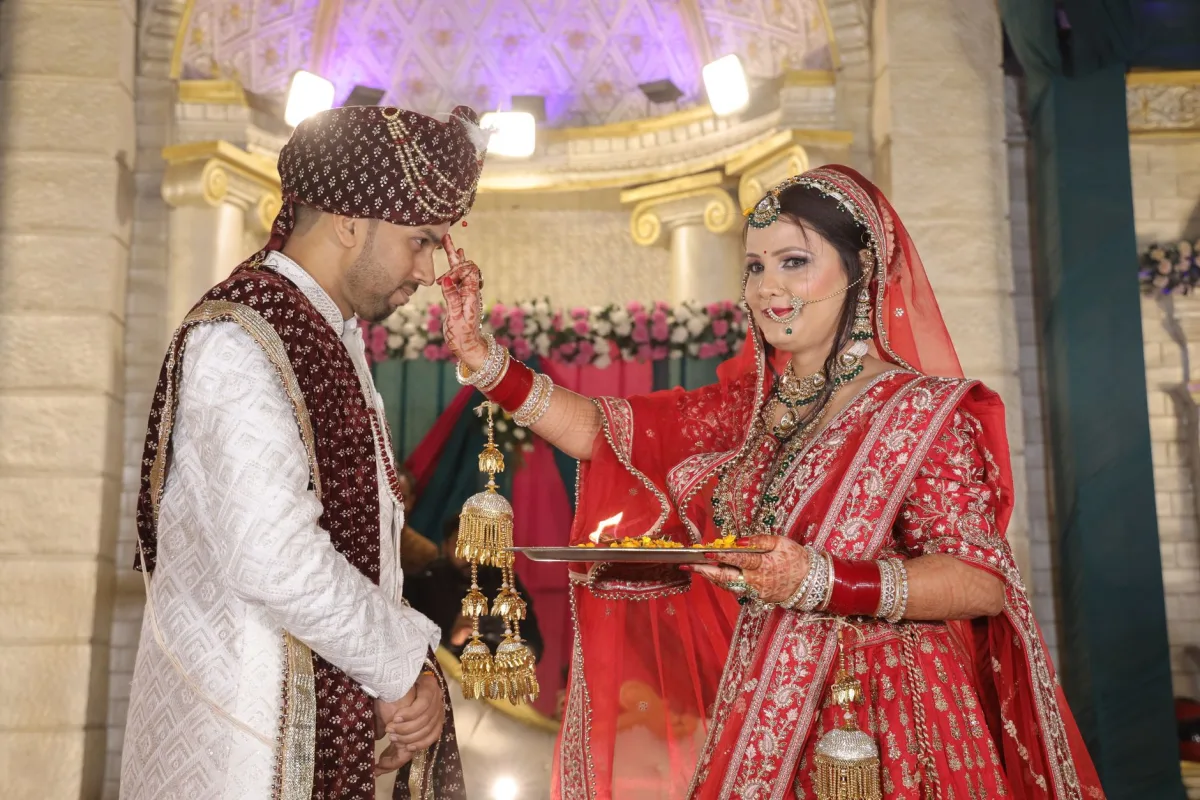
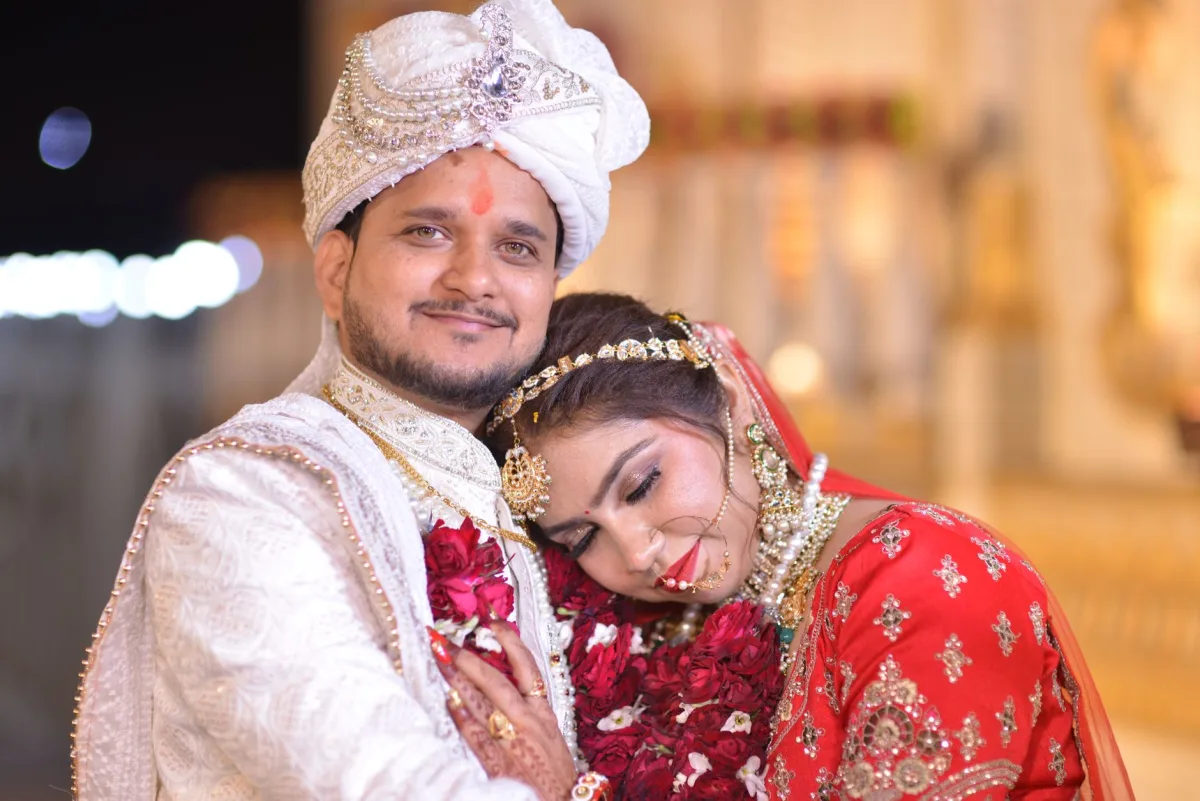
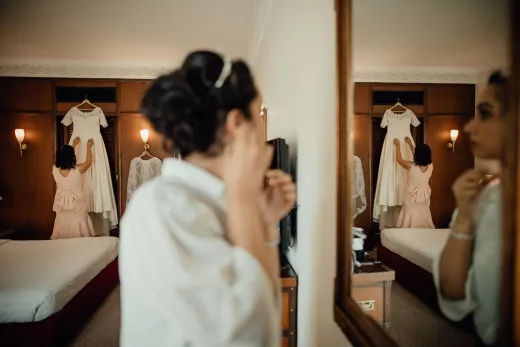
In the older, more divided version of a wedding, the bride carried the bulk of the visible preparation. Her attire tended to be the more elaborate, her beauty and dressing the longer process, and much of the pre-wedding celebration was organised around her. Even the day's choreography, from the walk down the aisle to the first look, was frequently built to frame her entrance. Our broader guide to all things bridal unpacks that world in detail: the gown, the beauty timeline, the party and the events.
But the traditional bridal role was never only decorative. It carried real responsibility: choosing and coordinating the bridal party, holding relationships steady between two families, and setting the tone for the celebration. The bride was, in many customs, the emotional centre of gravity for the whole event, and that is a demanding job long before anyone puts on a dress. If you are stepping into it, our guide to choosing and looking after bridesmaids covers one of its most rewarding parts.
What the groom traditionally does
The groom's traditional role is quieter on the surface and easy to underestimate. His attire is usually simpler, his preparation shorter, and the spotlight on the day tends to swing toward the bride's entrance. That visual imbalance has fooled generations of grooms into thinking their part is small. It is not. In many customs the groom carries specific ceremonial duties, from leading a procession to exchanging particular vows or gifts, and off-stage he often handles a slice of the logistics that keeps the day running.
The most enduring groom's tasks are relational rather than showy: choosing a best man and groomsmen, being ready and calm at the front so the ceremony can begin, and giving a speech that thanks the people who made the day possible. His jewellery is usually a single band, and even that has quietly become a subject in its own right; our guide to men's wedding bands covers how grooms are choosing them today. The groom who takes his role seriously, prepared, present and warm, does as much for the day as any centrepiece.
How the two roles fit together
The useful shift is to stop seeing bride and groom as a division of labour and start seeing them as a partnership with a shared brief. Strip away the costumes and the customs and the actual job of both people is identical: turn up prepared, stay present through a long and emotional day, and be gracious to everyone who came. Everything else is decoration around that core.
Where the roles genuinely differ, culture usually decides how, and those specifics belong to the ceremony itself rather than to the people. The structure of a wedding, and the sequence of a marriage ceremony, is what tells a bride and groom when to walk, when to speak and when to simply stand still and let the moment happen. Read those two together and the day stops feeling like a test of memory and starts feeling like a well-rehearsed dance.
The couple's shared timeline
Whatever the culture, a bride and groom who plan together and pace themselves arrive at the day steadier than a couple who cram everything into the final weeks. A broad, culture-agnostic rhythm looks like this, and it works best when the two of them own it jointly rather than splitting it into "her list" and "his list".
- Twelve months and earlier. Agree a budget, choose the date and venue, and draft the guest list together. The big, slow decisions belong here.
- Six to nine months. Order attire with long lead times, book the key vendors, and each choose your own attendants. Begin any beauty or grooming routines that respond slowly.
- Three to six months. Send invitations, confirm the ceremony details, and plan the pre-wedding events. First fittings happen here.
- The final month. Trials, final fittings, the rehearsal, and a clear plan for who handles what on the day so neither of you is troubleshooting in your wedding clothes.
- The morning. Get ready, hand off the logistics to trusted people, eat something, and be present. The planning is done; this part is just living it.
The single best habit a couple can build is to treat planning as one shared project with two leads, not two parallel projects that happen to share a date. It is also a genuinely useful rehearsal for the partnership that follows: a wedding couple who can plan a wedding kindly together has already practised something married life will ask of them for years.
How the roles are changing
The old, sharply divided version of bride and groom is loosening everywhere, and mostly for the better. A few shifts stand out.
- Shared planning is now the norm. The idea that the wedding is "the bride's day" and the groom simply shows up is fading. Couples increasingly plan as equals, with tasks split by interest and skill rather than by role.
- The terms themselves are flexing. Same-gender weddings mean a day may have two brides, two grooms, or partners who use neither word. The choreography adapts, and the celebration is no poorer for it.
- Blended traditions are common. Couples from different backgrounds fold customs together, so a single day may hold rituals from two cultures and belong fully to neither template.
- Grooms are more visible. More elaborate groom's attire, considered grooming, and a real say in the aesthetics of the day are all rising, rebalancing a spotlight that used to swing only one way.
None of this erases tradition; it simply widens the doorway. A couple can honour every custom they hold dear and still write the parts of the day that the old script left blank. The point of the roles was never rigidity. It was to give two nervous, happy people a clear part to play, and that job is done just as well by a script the couple writes themselves.
The bottom line
"Bride and groom" names two of the oldest roles we have, but the roles were always more about grace than about spectacle. Learn where the words come from, understand the duties each side has carried, and then plan the day as one couple with one shared brief. Honour the traditions that matter to your families, borrow gently from others, and feel free to rewrite the blanks. Do that, and the pair at the centre of the day become exactly what they were always meant to be: not two performers, but two people beginning something together.
Frequently asked questions
What is the difference between a groom and a bridegroom?
There is no difference in meaning. "Bridegroom" is the older, full form of the word, and "groom" is simply the shortened version people use in everyday speech. The second part of "bridegroom" comes from an old word for "man", which wore down over centuries to "groom". The modern sense of "groom" as someone who tends horses is an unrelated coincidence of language, not a shared root.
Who traditionally does more work, the bride or the groom?
Traditionally the bride carried more of the visible preparation, since the attire, the beauty timeline and much of the pre-wedding celebration were organised around her. That does not mean the groom's role was small; it was quieter, with its own ceremonial duties and logistics. In modern weddings the split is increasingly even, with couples planning as equals and dividing tasks by interest and skill rather than by role.
What does the groom actually do on the wedding day?
The groom's core job is to be ready and calm at the front so the ceremony can begin, to carry any ceremonial duties his culture assigns, and to give a speech thanking the people who made the day possible. He also typically chooses a best man and groomsmen and handles a share of the day's logistics. His most important task is the simplest: to be prepared, present and gracious throughout.
Can a wedding have two brides or two grooms?
Yes. Same-gender weddings may have two brides, two grooms, or partners who use neither term and simply describe themselves as the couple. The day's choreography adapts easily, since the roles were always about who does what and when, not about gender. Many couples of every kind now write the parts of the day that the traditional script left open.
Should the bride and groom plan the wedding together?
Planning together is one of the best habits a couple can build. Treating the wedding as a single shared project with two leads, rather than two parallel lists, keeps the workload fair and the day coherent. It is also useful practice for married life, which asks for exactly the same skill: handling a big, emotional project kindly and as a team.