Wedding Gown for Bride: The Complete Guide
Silhouette, fabric, fit and budget: a plain-terms guide to choosing a bridal gown you will love, matched to your venue and season.
Choosing a wedding gown is one of the most personal decisions a bride makes, and also one of the most over-complicated by the sheer volume of advice out there. Strip away the noise and it comes down to a handful of clear ideas: the silhouette that suits your body and your venue, the fabric that fits your season, a realistic budget, and enough lead time to order and alter without panic. This guide walks through all of it in plain terms so you can shop with confidence rather than overwhelm.
The short version
- Silhouette comes first. The overall shape flatters or fights your figure more than any detail, so choose the shape before the embellishment.
- White is a recent convention, not a rule. Colour, layering and multiple outfits are traditional across much of the world.
- Match the gown to venue and season. A heavy gown punishes a summer beach; a light one struggles in a winter hall.
- Order early. Gowns have long lead times and need alterations, so start roughly nine to twelve months out.
What a wedding gown really is
A wedding dress or bridal gown is the outfit worn by a bride at her wedding, and its colour, style and importance vary enormously with religion and culture. The white gown feels timeless, but it is younger and narrower than most people assume. White became fashionable in the West after Queen Victoria wore it at her 1840 wedding and the image spread through the press; before that, brides simply wore their best dress in whatever colour they owned. Across much of Asia, white signals mourning and is avoided, so red and gold lead instead, and changing through several outfits in one celebration is common.
Holding that history in mind is freeing, because it means there is no single correct gown, only the one that fits your body, your budget, your venue and the traditions you carry. Everything that follows is a tool for finding that, not a set of rules you must obey.
Silhouette: the decision that matters most
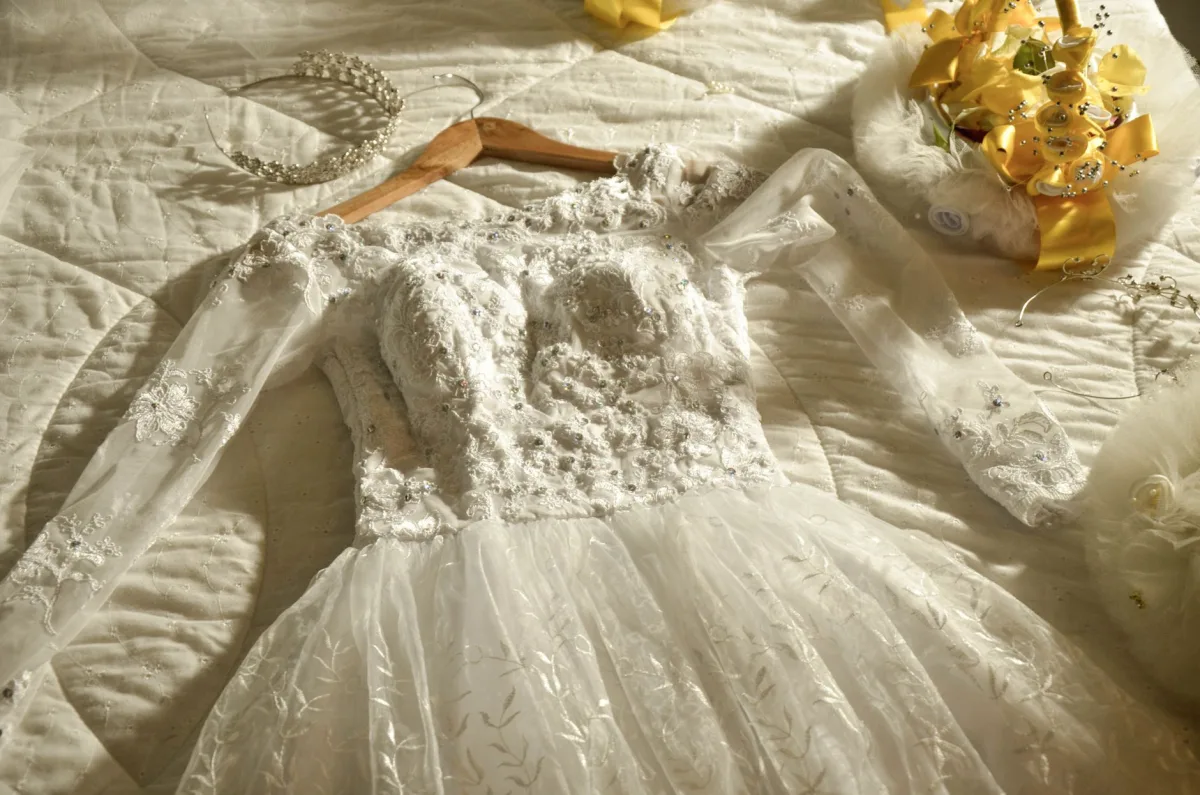
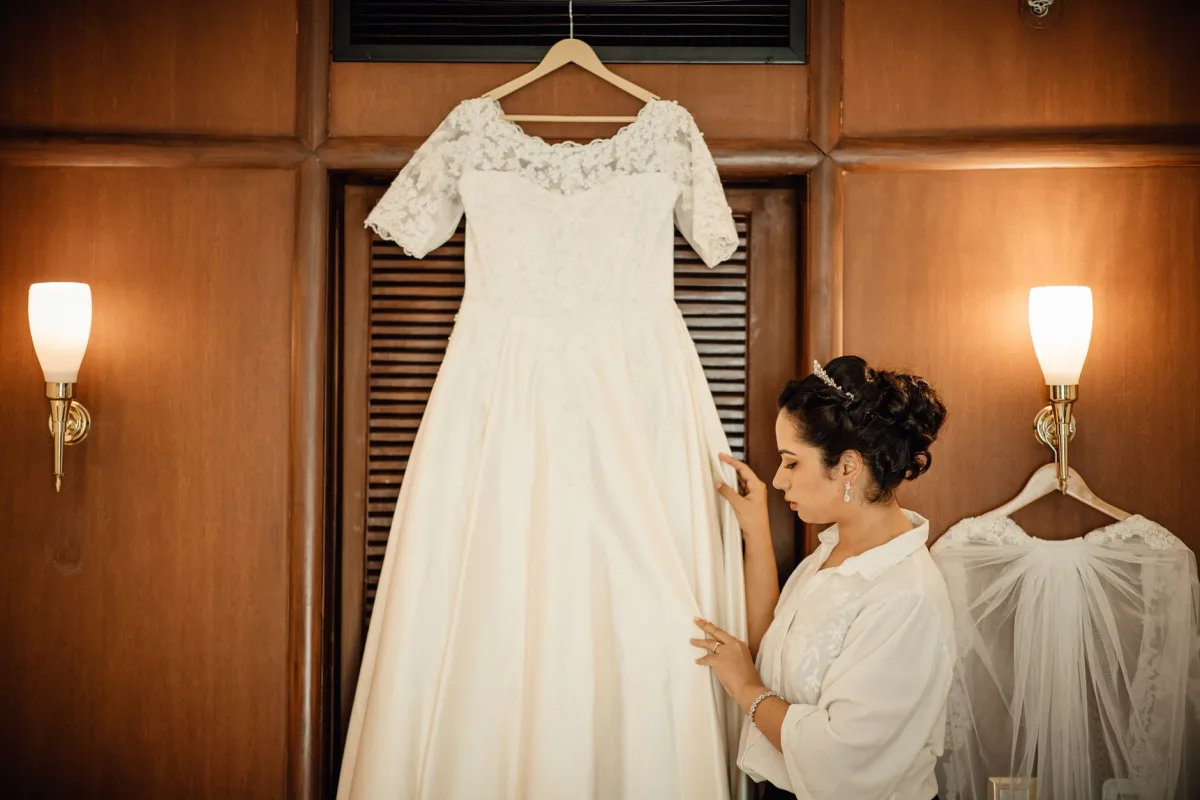
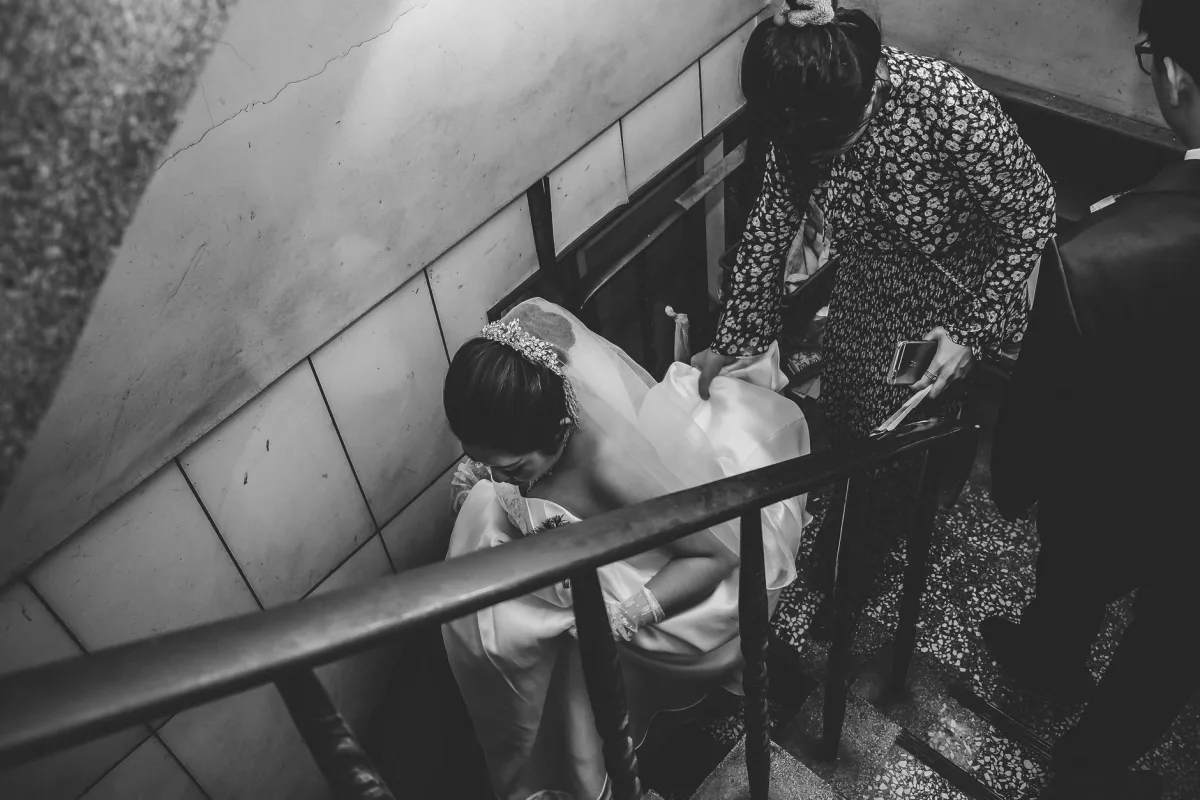
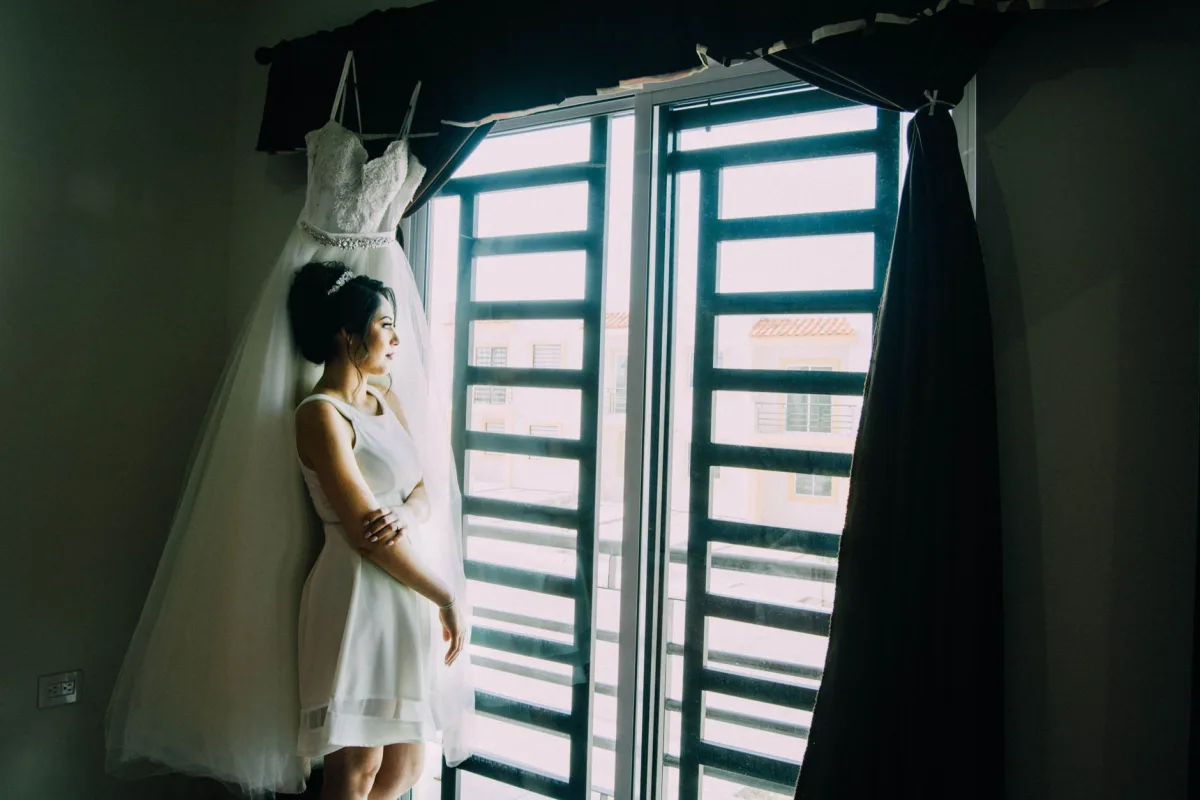
The silhouette is the overall shape of the gown from shoulder to hem, and it does more to flatter or fight your figure than any beading or neckline ever will. Get the shape right and the rest is refinement; get it wrong and no amount of detail rescues it. A handful of classic silhouettes cover most of the ground.
A-line
Fitted through the bodice then flaring gently to the hem like the letter A. The most universally flattering shape and a safe starting point for most figures.
Ball gown
A fitted bodice with a full, dramatic skirt. The classic fairy-tale look, well suited to formal venues and to balancing a fuller upper body.
Mermaid and trumpet
Fitted through the body and flaring below the knee or thigh. Body-hugging and glamorous, they reward a confident fit and a venue with room to move.
Sheath and column
A slim, straight line from top to bottom with no flare. Light, modern and easy to move in, ideal for beach and civil ceremonies.
The right silhouette depends on your proportions, your comfort and how you want to move on the day. A ball gown makes a grand entrance but is hard to dance in; a sheath is effortless but leaves nowhere to hide. Try several shapes on before you settle, because a silhouette can look completely different on the body than it does on the hanger.
Fabric, season and venue
Fabric is where comfort is won or lost. A gown must agree with the temperature and the setting, exactly as a guest's outfit should. Heavy satin, brocade and velvet hold structure and warmth, which is wonderful in a winter hall and punishing on a July beach. Light chiffon, organza, tulle and crepe move with the air and suit warm weather and outdoor ceremonies, but they drape softly rather than holding a dramatic shape.
- Warm-weather and outdoor weddings. Favour breathable, lighter fabrics like chiffon, organza and crepe, and simpler silhouettes that move.
- Cool-weather and formal indoor weddings. Structured fabrics like satin, mikado and brocade hold their shape and add warmth, supporting ball gowns and detailed bodices.
- Beach and destination weddings. Lightweight, packable fabrics travel better and cope with heat, wind and sand; skip heavy trains that drag.
- Places of worship. Some venues expect covered shoulders or a higher neckline, so check any dress requirements before you fall for a gown.
Thinking about fabric and venue together, early, prevents the classic mistake of loving a gown that is wrong for the day it is worn. For a wider look at how attire fits into the whole bridal picture, our guide to bridal preparation places the gown alongside beauty, the bridal party and the timeline.
Fit, alterations and lead time
Almost no gown fits perfectly off the rack, and that is normal. Bridal gowns are usually ordered in a standard size closest to your measurements and then tailored to your body, which is why alterations are a planned part of the process rather than a fault. The takeaway that saves the most stress is simple: time. Gowns often have lead times of several months from order to delivery, and alterations need weeks on top of that.
A comfortable rule is to begin shopping around nine to twelve months before the wedding, order the gown six to nine months out, and schedule fittings in the final months, with the last fitting close enough to the day that your measurements are settled. Buy for the body you have, not a body you hope to have by the date, because dramatic size changes make alterations harder and riskier. If you love a gown, you can always take it in a little; letting it out is far more limited.
Budget without regret
Wedding gowns span an enormous price range, and the number you see on the tag is rarely the final cost. Alterations, a veil or headpiece, undergarments, shoes and any accessories all add up, so the honest budget is the gown plus everything that makes it wearable. Decide your total comfortably before you shop, and tell the boutique that figure so they show you gowns you can actually afford, rather than falling for one that blows the plan.
There are real ways to spend less without settling. Sample sales, trunk shows, off-the-rack boutiques, renting, and resale or preloved gowns can all cut the cost substantially, and a simpler silhouette in a beautiful fabric often photographs better than a heavily embellished one anyway. If saving matters to you across the whole wedding, our wedding budget checklist shows where the gown fits into the larger picture so it does not quietly crowd out everything else.
Beyond the gown: the finishing pieces
A gown rarely stands alone. The veil or headpiece, the jewellery, the shoes and the small finishing pieces all shift the final look, and it is worth choosing them in conversation with the gown rather than as afterthoughts. A veil changes the mood of a gown more than most brides expect; jewellery is where family heirlooms usually enter the outfit; and shoes must survive a twelve-hour day, so comfort is not optional. Keep a flat second pair for dancing.
A steadying principle applies to all of it: never debut anything untested on the wedding day, from shoes straight out of the box to a first-time hairstyle. Everything should have a trial run with room to recover if it goes wrong. To pull the jewellery side together, our guide to wedding jewellery covers how to match pieces to a neckline and metal, and for a deeper look at gown styles specifically, our wedding gowns guide and its companion on the wedding gown for women go further on individual silhouettes. Matrimony360's fashion guides are here to make the whole decision feel calm rather than frantic.
Frequently asked questions
How far in advance should I buy my wedding gown?
Begin shopping around nine to twelve months before the wedding and order roughly six to nine months out. Gowns often take several months to arrive from the designer, and alterations need weeks on top of that, with a final fitting close to the day. Starting early gives you room to choose calmly, order the right size and complete fittings without a last-minute rush that risks a poor fit.
Which wedding gown silhouette is most flattering?
The A-line is the most universally flattering, fitted through the bodice and flaring gently to the hem, which suits most figures. But the truly best silhouette depends on your proportions, your comfort and your venue: a ball gown makes a grand statement, a sheath is light and easy to move in, and a mermaid shape is body-hugging and glamorous. Try several shapes on, because a gown looks very different on the body than on the hanger.
Do brides have to wear white?
No. The white gown is a Western convention that took hold only after Queen Victoria married in white in 1840. Across much of Asia white signals mourning and is avoided, so brides classically wear red and gold, and changing through several outfits in one celebration is common in many traditions. There is no universal bridal colour, only the one your culture, faith and personal taste call for.
Why do wedding gowns need alterations?
Because bridal gowns are ordered in standard sizes and then tailored to your individual body. Almost no gown fits perfectly off the rack, so alterations to the length, bodice and fit are a planned part of the process, not a defect. Buy for the body you have rather than one you hope to reach by the date, since taking a gown in is far easier than letting it out, and schedule enough time for two or more fittings.
How can I save money on a wedding gown?
Sample sales, trunk shows, off-the-rack boutiques, renting, and resale or preloved gowns can all cut the cost substantially. A simpler silhouette in a beautiful fabric often looks more elegant than a heavily embellished one and costs less. Remember to budget for alterations, a veil, undergarments and shoes as well as the gown itself, and tell the boutique your total figure so they only show you gowns within it.