Wedding Jewellery: The Complete Guide
Necklaces, earrings, bangles and headpieces: how to assemble a bridal jewellery ensemble that frames the face and suits the gown.
Wedding jewellery is the quiet architecture of the bridal look. The gown gets the attention, but it is the jewellery that frames the face, catches the light in photographs, and most often carries the family history into the day. It is also the piece of the wedding most people understand the least, tangled up as it is with metals, gemstones, cultural tradition and a thicket of terminology. This guide untangles it. It covers what wedding jewellery actually includes beyond the ring, how to choose metals and stones, how to coordinate the whole ensemble with your gown, the traditions that shape it around the world, and how to buy, borrow or inherit it wisely.
The short version
- Jewellery is an ensemble, not a single piece: necklace, earrings, bangles and headpieces working together.
- The neckline leads. Choose the gown first, then the jewellery that suits its neckline.
- Metal and stone set the tone. Gold, platinum and silver each pair differently with a gown and a skin tone.
- Heirlooms carry meaning money cannot. Borrowed and inherited pieces are often the most treasured.
What wedding jewellery includes
Jewellery is decorative items worn for personal adornment, and wedding jewellery is simply the set chosen to complete the bridal look. It is far broader than the wedding ring alone. Depending on culture and style it can include a necklace, earrings, a bracelet or bangles, a headpiece or tiara, and a range of pieces specific to particular traditions. The art of it is not owning the most, but assembling a set that works together and with the gown rather than competing with it.
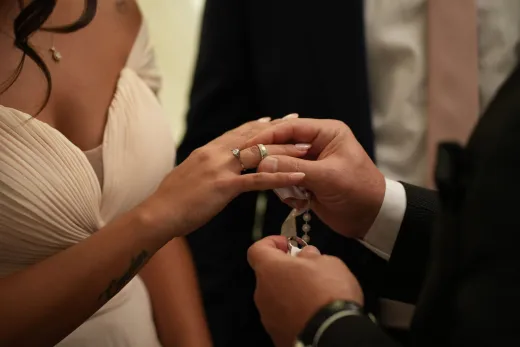
The wedding ring sits at the centre of the story but is genuinely its own subject, from metals and settings to sizing and engraving; our dedicated pillar on wedding rings covers it in full, so this guide focuses on everything else the bride and often the groom wear on the day. If you are shopping for a matched set, our guide to bridal jewellery sets goes deeper on coordinating pieces bought together.
The core pieces
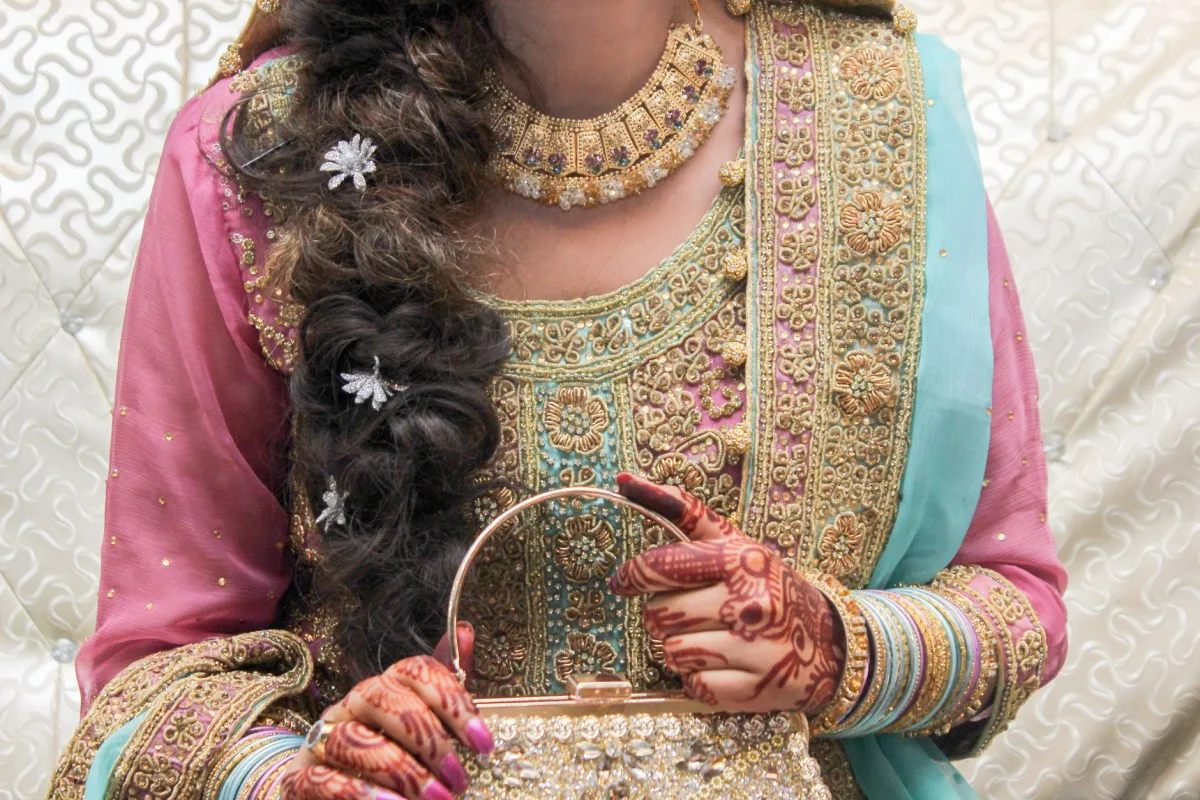
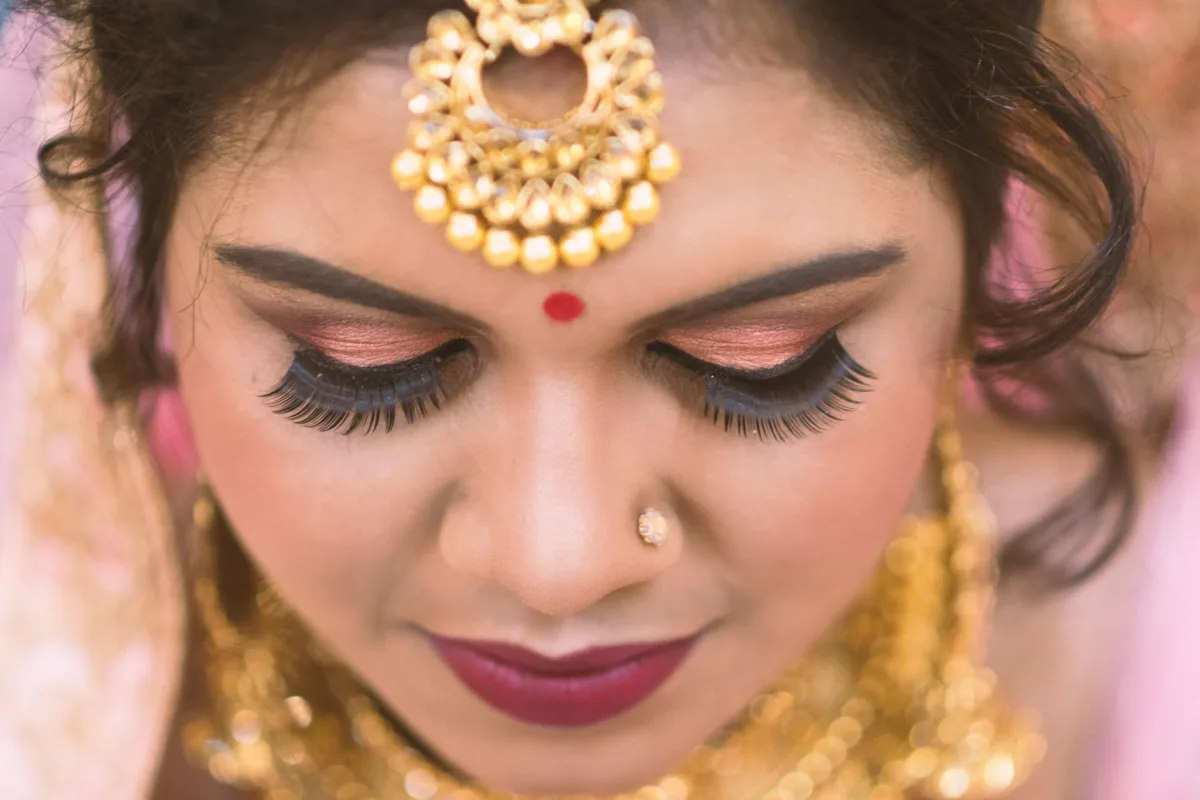
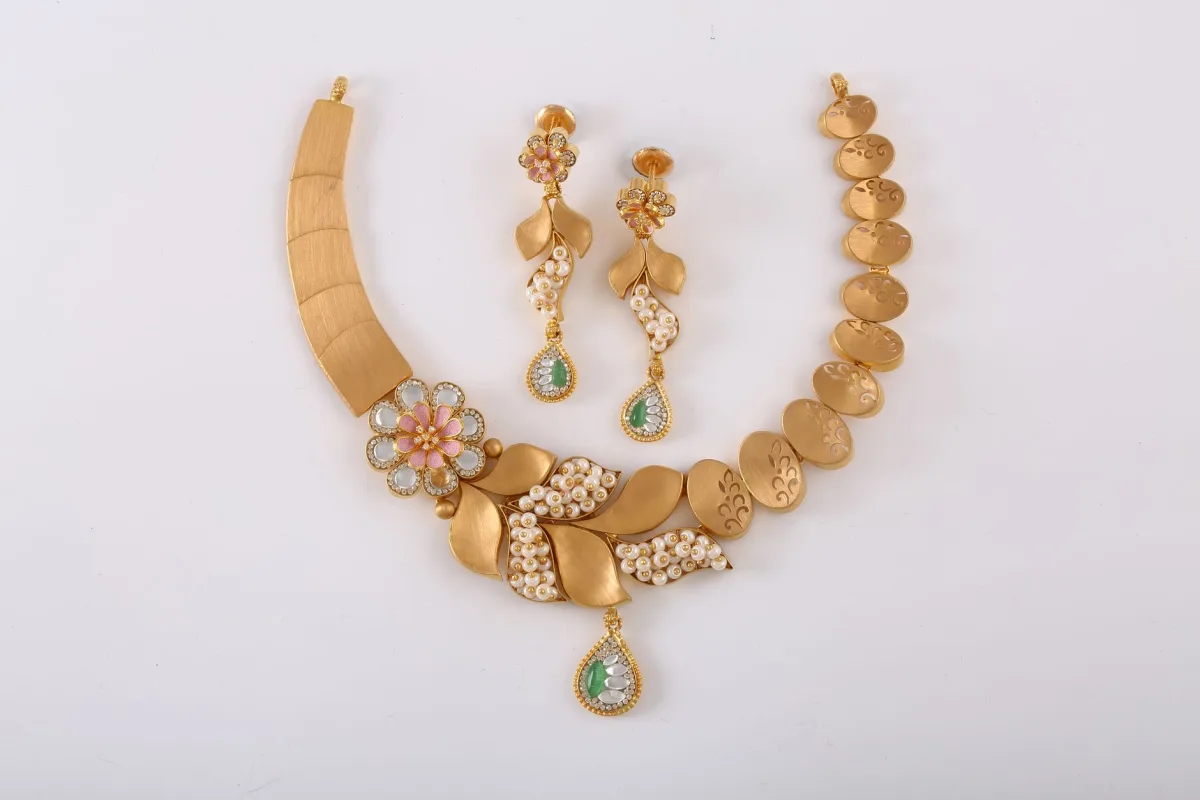
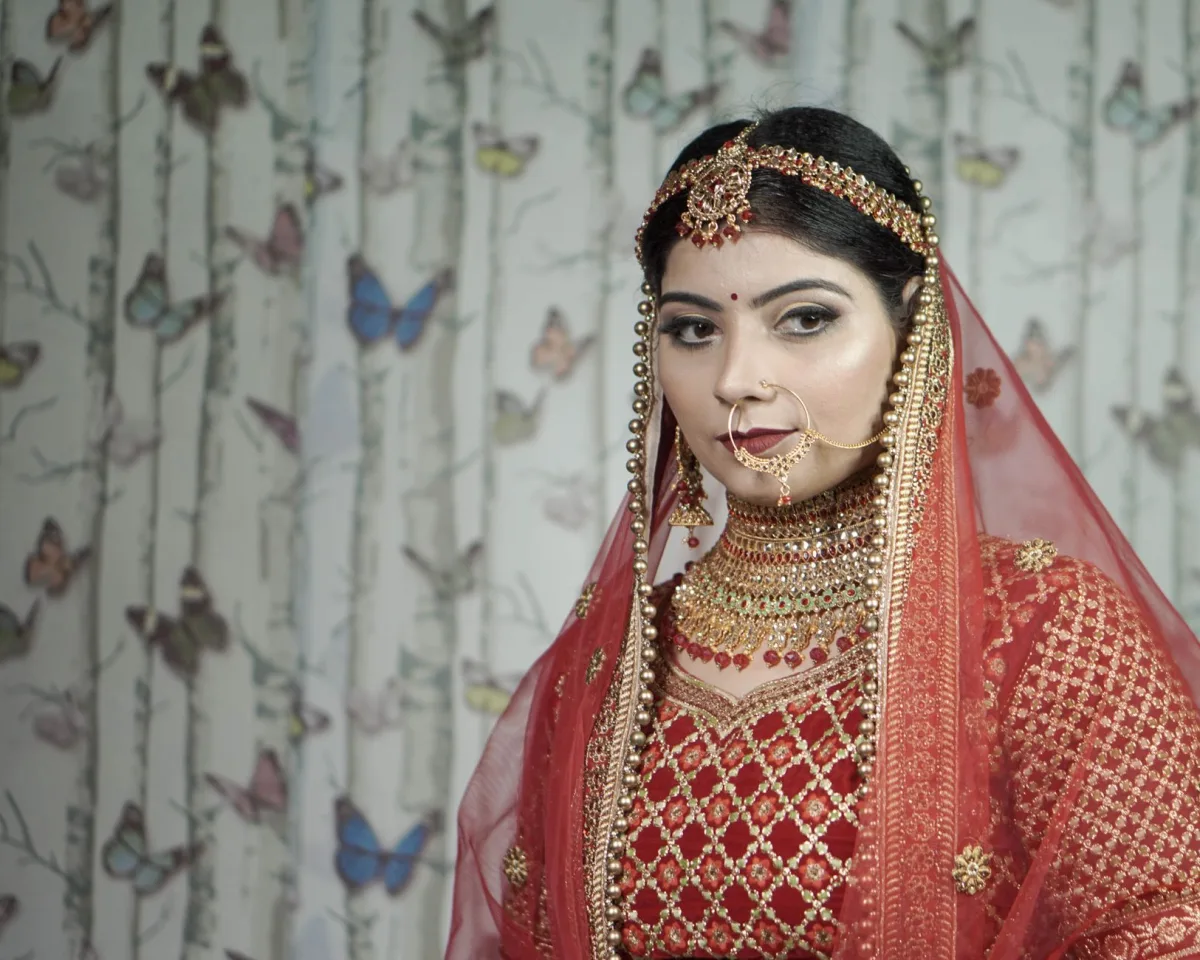
Most bridal ensembles are built from a familiar set of components. You do not need all of them, and the most elegant looks often use fewer, but knowing what each does helps you decide where to focus.
Necklace
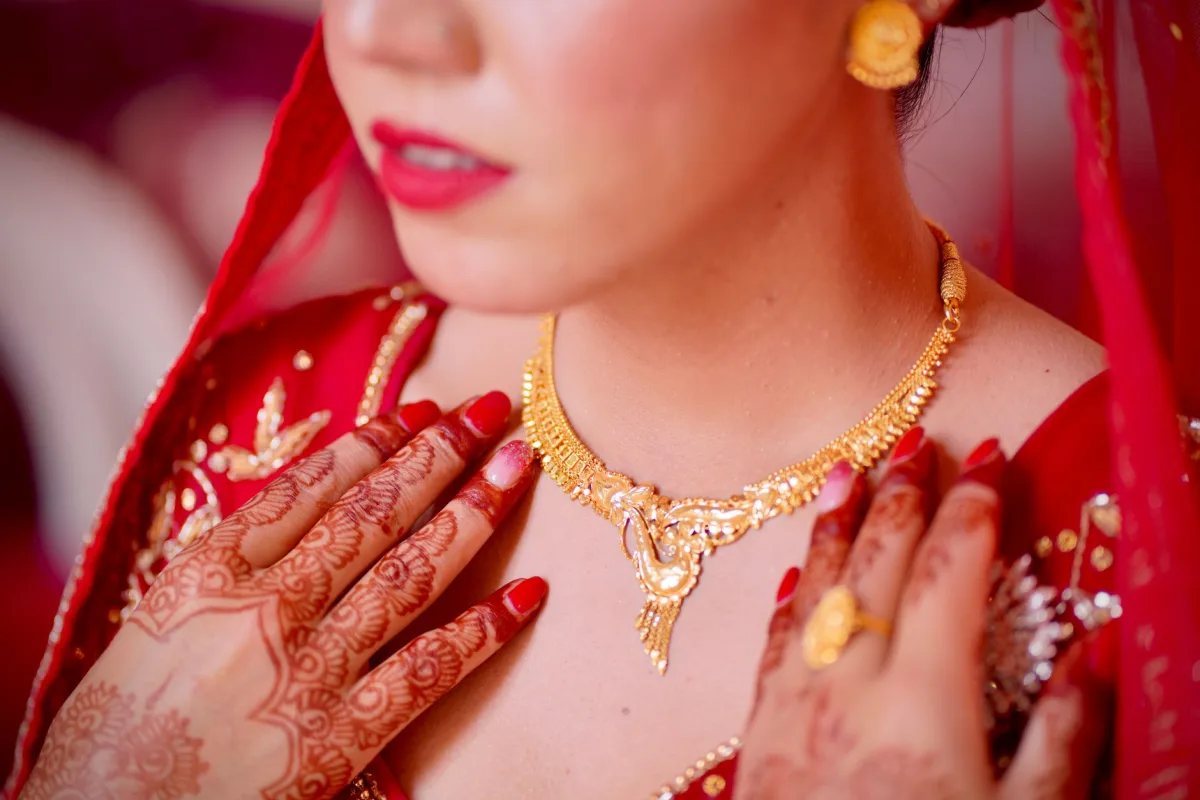
The anchor of the ensemble, chosen to suit the neckline. It draws the eye to the face and sets the formality of the whole look.
Earrings
Studs, drops or chandeliers. They frame the face closely and read strongly in photographs, so they often matter more than their size suggests.
Bracelets and bangles
From a single fine bracelet to stacked bangles. In South Asian weddings, bangles such as the chura carry deep ceremonial meaning.
Headpieces
A tiara, a maang tikka, hair vines or combs. They bridge the hair, veil and face and complete the crown of the look.
Heirloom and ceremonial pieces
A mangalsutra, a nose ring, an anklet or a family locket. These carry cultural and family meaning beyond decoration.
The groom's pieces
Cufflinks, a tie pin, a watch or, in some cultures, a turban brooch or kalgi. The groom's jewellery deserves its own thought.
A single restraining principle keeps an ensemble elegant: let one piece lead. If the necklace is bold, keep the earrings quiet; if the earrings are statement chandeliers, let the neckline breathe. Piling every piece on at full volume reads as busy in person and cluttered in photographs.
Metals and their moods
The metal sets the temperature of the whole look, and it should agree with both your gown and, if you like, your skin tone. The colours of gold come from what the pure metal is alloyed with: copper pushes it toward rose, white metals and rhodium plating create white gold, and everyday yellow gold is balanced with silver and copper.
- Yellow gold is warm and traditional, the classic choice across South Asian, Middle Eastern and many Western weddings. It flatters warm and deeper skin tones especially well and pairs naturally with ivory and champagne gowns.
- White gold and platinum read cool, modern and understated. They sit beautifully against a bright white gown and let diamonds and clear stones do the talking.
- Rose gold is soft, romantic and distinctive, a flattering middle ground that suits blush gowns and a wide range of skin tones.
- Silver and sterling offer the cool look at a gentler price, though they need more care to keep from tarnishing.
Matching your jewellery metal to the metal of your rings is a common instinct and a safe one, but not a rule. Deliberately mixing metals is a modern, confident choice when done with intention. If you are building the look around gold, our guide to gold wedding rings explains the karats and colours in more depth.
Gemstones, briefly
A gemstone is a piece of mineral, or occasionally an organic material like pearl, cut and polished to be worn as jewellery. Diamonds are the default for their brilliance and durability, but coloured stones carry meaning and personality a colourless stone cannot. Pearls remain a timeless bridal classic, elegant and soft against the skin. Sapphires, rubies and emeralds add colour and can echo a wedding palette or a family tradition. When judging any faceted stone, remember that cut, more than size, governs how it catches the light, so a smaller, well-cut stone often outshines a larger, dull one. Pearls and other softer stones need gentler handling than diamonds, which matters across a long day and in storage afterwards.
Coordinating jewellery with the gown
The order of operations matters more than any single choice: pick the gown first, then choose jewellery that serves it. The neckline is the deciding factor for the necklace above all else.
Strapless and sweetheart
The open neckline invites a statement necklace or a choker. There is space to fill, and jewellery completes the look.
V-neck and plunging
A pendant that follows the line of the neckline works beautifully. Match the drop of the necklace to the depth of the V.
High neck and bateau
Skip the necklace entirely and let earrings do the work. A necklace here competes with the gown rather than helping it.
Halter and one-shoulder
Asymmetry calls for restraint. Lean on earrings and a bracelet, and keep the neck clear so the gown's line stays clean.
Beyond the neckline, let the formality of the gown set the scale of the jewellery, and consider your hair: an updo exposes the neck and ears and gives earrings and necklaces room to shine, while loose hair softens and partly hides them. Our companion guide to wedding gowns walks through necklines in more detail if you are still choosing the dress.
Cultural traditions
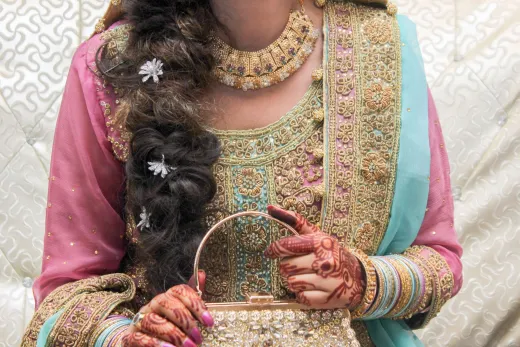
Wedding jewellery is one of the most culturally rich parts of any wedding, and its meaning runs far deeper than decoration. In South Asian weddings, gold is central and often accumulated over years, and specific pieces carry ceremonial weight: the mangalsutra tied by the groom, the red-and-white chura bangles of a new bride, the maang tikka on the forehead and the nose ring each mark the occasion. In many Western weddings a single strand of pearls or a family diamond does similar work in a quieter register. Chinese weddings feature gold given by elders, often in the form of dragon-and-phoenix bangles, as a blessing and a form of security. The common thread across cultures is that wedding jewellery is rarely only ornament; it is memory, blessing and, historically, a woman's own portable wealth. If you are honouring a specific tradition, our overview of the whole bridal experience places these customs in their wider context.
Buy, borrow or inherit
Wedding jewellery does not have to be bought new, and some of the most meaningful pieces never are. There are four broad routes, and the best ensembles often mix them.
- Buy new. Full choice and a piece that is yours forever, at the highest cost. Worth it for a piece you will genuinely wear again, less so for something purely occasional.
- Inherit or borrow. A grandmother's earrings or a mother's necklace carry a meaning no purchase can, and they neatly satisfy the "something borrowed" and "something old" traditions at once.
- Rent. Increasingly common and sensible for high-value statement pieces you will wear once. You get the drama without the outlay or the insurance worry.
- Buy pre-loved. Vintage and second-hand jewellery offers character and value, and often better craftsmanship than a modern piece at the same price.
Whatever the source, budget honestly. Set the jewellery spend as a share of your overall budget rather than chasing a look you saw elsewhere, and remember that borrowed and inherited pieces cost nothing yet often become the details you treasure most.
Caring for it
Wedding jewellery is worn hard for one long, active day, so a little care protects it. Put jewellery on last, after hair, makeup and perfume, because sprays and creams dull metal and cloud pearls. Clean most pieces gently with warm water, a drop of mild soap and a soft brush, but treat soft stones and pearls especially kindly and never soak strung pearls, whose silk thread weakens when wet. Store pieces separately so harder stones do not scratch softer ones, and if any piece is valuable, insure it and keep the receipt or an appraisal. Heirloom pieces in particular deserve a jeweller's check before the day, because an old clasp or a worn setting is far cheaper to fix in advance than to lose on the dance floor.
The bottom line
Wedding jewellery is not about wearing the most or spending the most; it is about assembling a small, intentional set that frames your face, suits your gown and honours whatever traditions you carry. Let the neckline lead the necklace, let one piece take the spotlight, choose a metal that agrees with the gown, and lean on borrowed and inherited pieces for the meaning they bring. Do that, and your jewellery stops being an afterthought bought in a panic and becomes what it should be: the detail that ties the whole look together and, quite often, the thing you keep and pass on.
Frequently asked questions
What jewellery does a bride typically wear?
A bridal ensemble usually centres on a necklace, earrings and the wedding ring, and can extend to bracelets or bangles, a headpiece such as a tiara or maang tikka, and pieces specific to a culture, like a mangalsutra or chura. You do not need all of them; the most elegant looks often use fewer pieces, letting one lead while the others stay quiet.
How do I match my jewellery to my wedding dress?
Choose the gown first, then let the neckline lead. Open necklines like strapless and sweetheart invite a statement necklace, a V-neck suits a pendant that follows its line, and high or bateau necklines are best left clear so earrings do the work. Match the formality and scale of the jewellery to the gown, and consider your hairstyle, since an updo gives earrings and necklaces far more room to shine.
Should wedding jewellery match the metal of the wedding ring?
Matching the metal of your jewellery to your rings is a safe, harmonious choice, but it is not a rule. Deliberately mixing metals, such as pairing yellow-gold jewellery with a white-gold ring, is a modern and confident look when done with intention. Let your gown and skin tone guide the metal at least as much as the ring does.
Is it better to buy, rent or borrow wedding jewellery?
All three are good, and many brides mix them. Buying new gives you a piece forever at the highest cost; renting suits high-value statement pieces you will wear only once; and borrowing or inheriting family jewellery carries a meaning no purchase can, while satisfying the "something borrowed" and "something old" traditions. Set the spend as a share of your overall budget rather than chasing a particular look.
How should I care for wedding jewellery?
Put jewellery on last, after hair, makeup and perfume, since sprays and creams dull metal and cloud pearls. Clean most pieces gently with warm water, mild soap and a soft brush, but be especially gentle with soft stones and never soak strung pearls, whose thread weakens when wet. Store pieces separately to avoid scratches, insure anything valuable, and have heirloom pieces checked by a jeweller before the day.