Wedding Party: The Complete Guide
Who is in the wedding party, what each role really does, and how to choose attendants for temperament, cost and etiquette without causing hurt.
The wedding party is the small circle of people who stand beside the couple and, behind the scenes, keep the whole day upright. The term does double duty in English: it means both this group of attendants and, loosely, the celebration itself. This guide takes the first meaning, the people, and walks through who they are, what each role actually does, how to choose them, and the etiquette and costs that trip couples up.
The short version
- The wedding party is your support crew, not a decoration: they organise, reassure and carry tasks.
- Roles matter more than titles. Every culture names them differently but needs the same jobs done.
- Choose for temperament, not just closeness. Steady under pressure beats loudest opinions.
- Money and duties should be clear up front, so nobody is ambushed by a cost or an expectation.
What "wedding party" means
A wedding party is the group of attendants chosen by the couple to stand with them during the ceremony and to support them through the day. It classically splits into two sides that mirror each other: the bride's attendants, led by a maid or matron of honour, and the groom's attendants, led by a best man. Modern weddings mix and reshuffle these freely, and there is no rule that says the sides must be equal or gendered.
It helps to separate the word from the party as a celebration. When people say "the wedding party is at the top table," they mean these attendants. When they say "the wedding party ran until midnight," they mean the reception. This guide is about the people, because they are the part you actually have to choose, brief and look after.
Who is in the wedding party
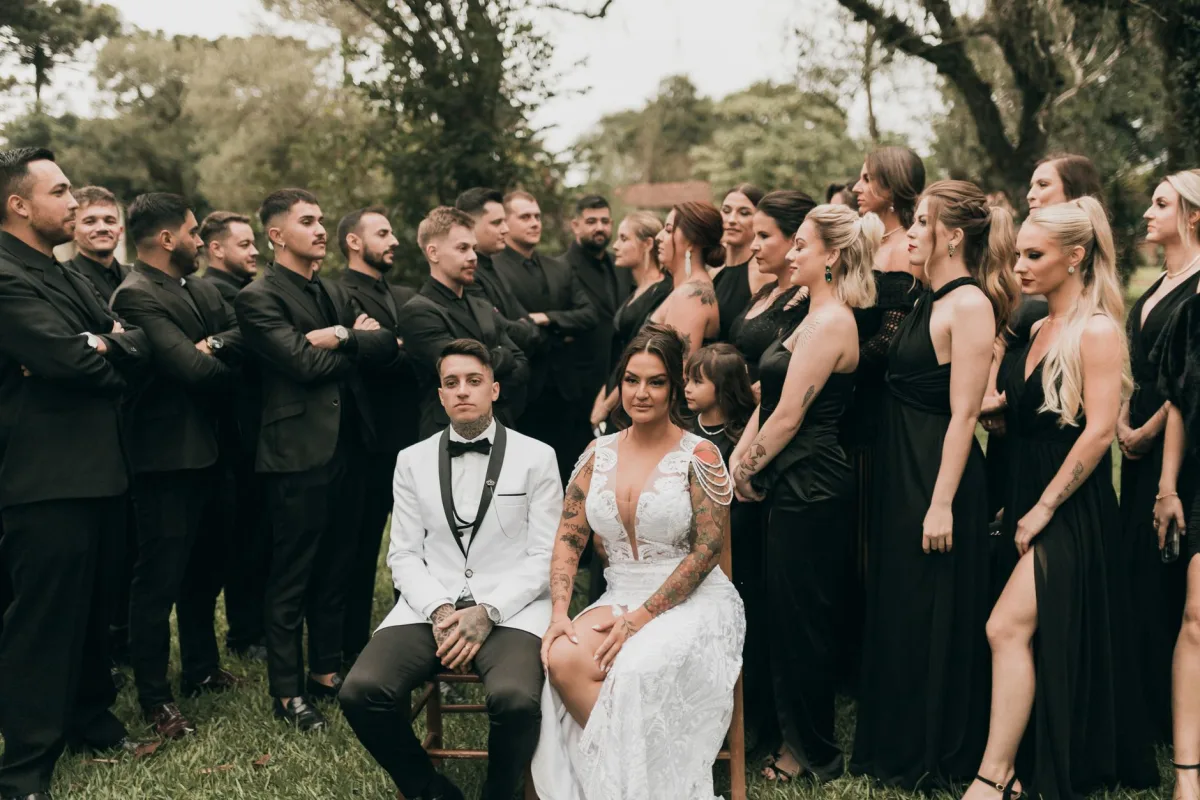
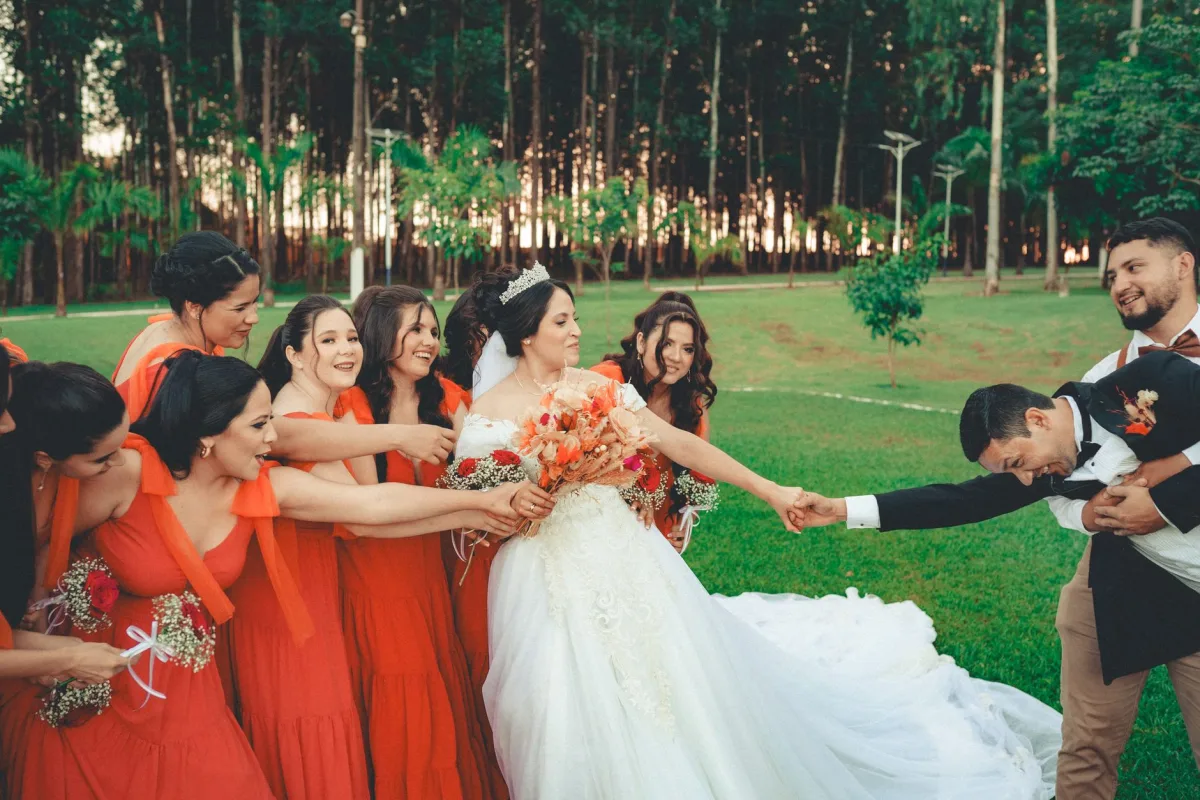
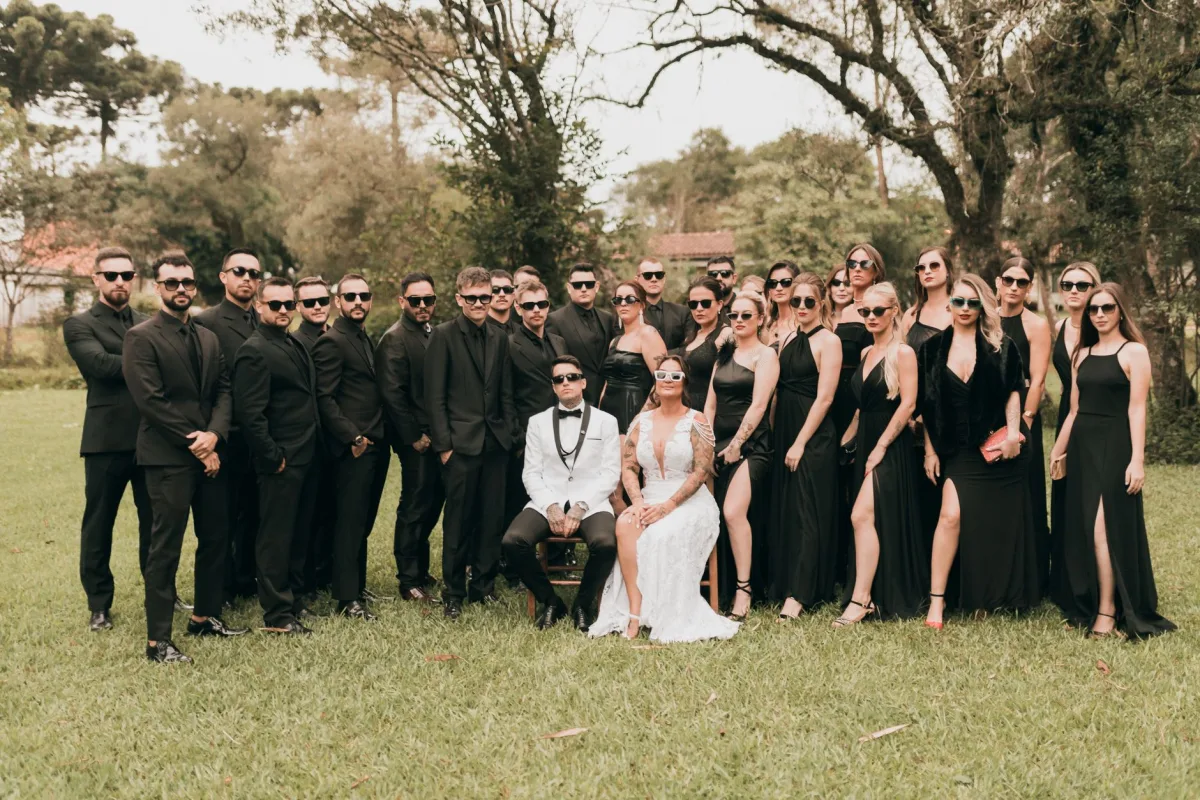
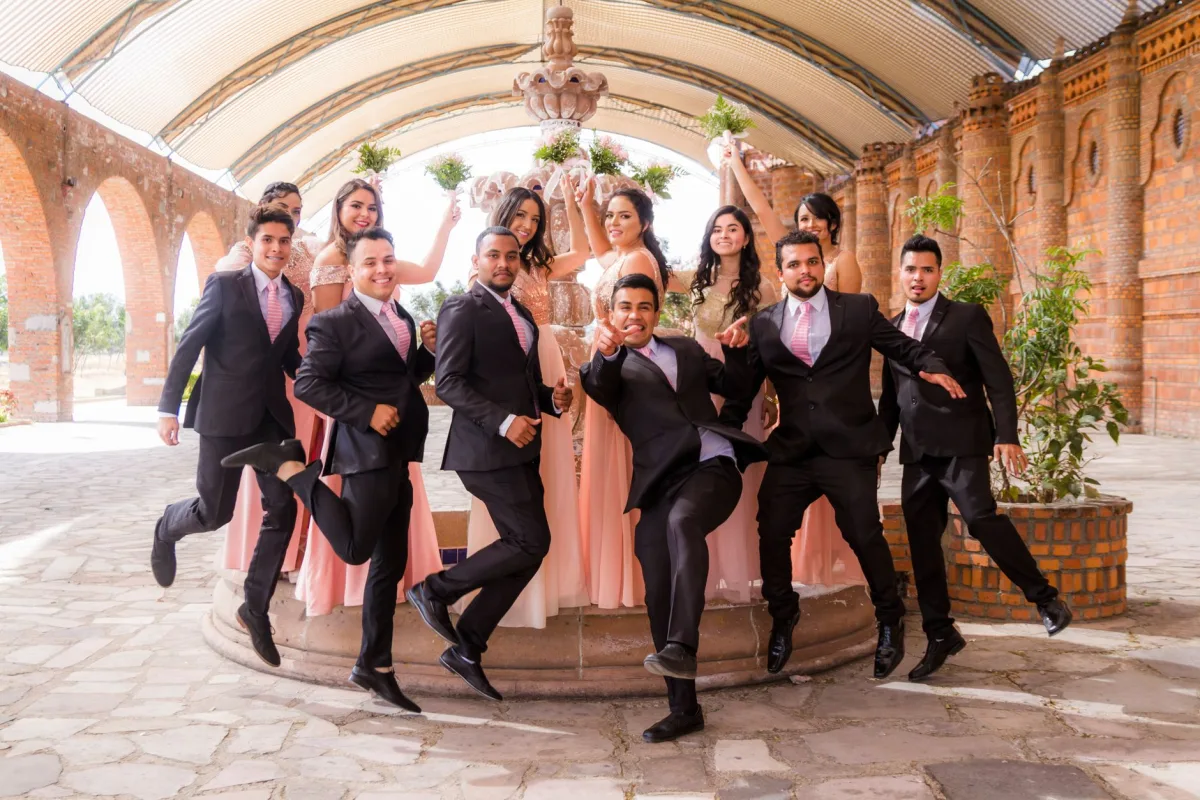
The exact line-up varies by culture and by choice, but the roles behind the titles are remarkably consistent across weddings. Here are the core members and what each one is really there to do.
Maid or matron of honour
The bride's right hand. Coordinates the other attendants, holds the bouquet, manages small crises and often leads the pre-wedding events. "Maid" if unmarried, "matron" if married.
Bridesmaids
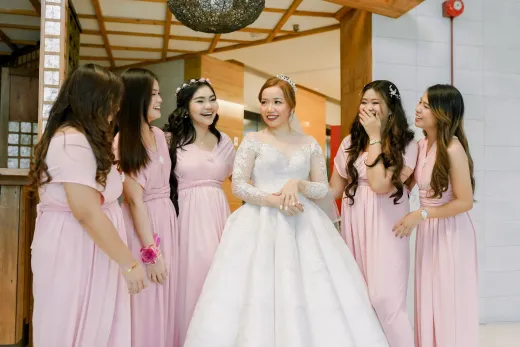
The support crew who get ready with the bride, help with the dress, gather guests and lend a hand wherever needed. See our full guide to bridesmaids for the detail.
Best man
The groom's counterpart to the maid of honour. Guards the rings, gives a speech, organises the stag or bachelor event and keeps the groom calm and on time.
Groomsmen and ushers
Seat guests, hand out orders of service, and provide the practical muscle of the day. Groomsmen often double as ushers at smaller weddings.
Flower attendants and page boys
Younger family members who walk the aisle scattering petals or carrying rings. Low on duty, high on charm and photographs.
Parents and elders
In many cultures parents and elders hold ceremonial roles, from giving blessings to leading specific rituals. Their part is often the emotional centre of the day.
Note how the same two jobs repeat on both sides: one lead organiser and a team of hands. Everything else is naming and costume. If you understand that structure, you can adapt it to any tradition, faith or family shape without getting lost in titles.
What the wedding party actually does
The value of a good wedding party is not visible in the photographs; it is in the problems the couple never hears about. A bustle that comes loose is fixed, a missing buttonhole is found, a lost guest is steered to their seat, all without the couple lifting a finger. The bridesmaid and best man traditions both grew, in part, from this protective, practical instinct.
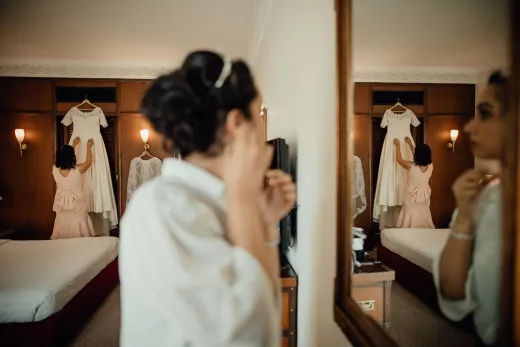
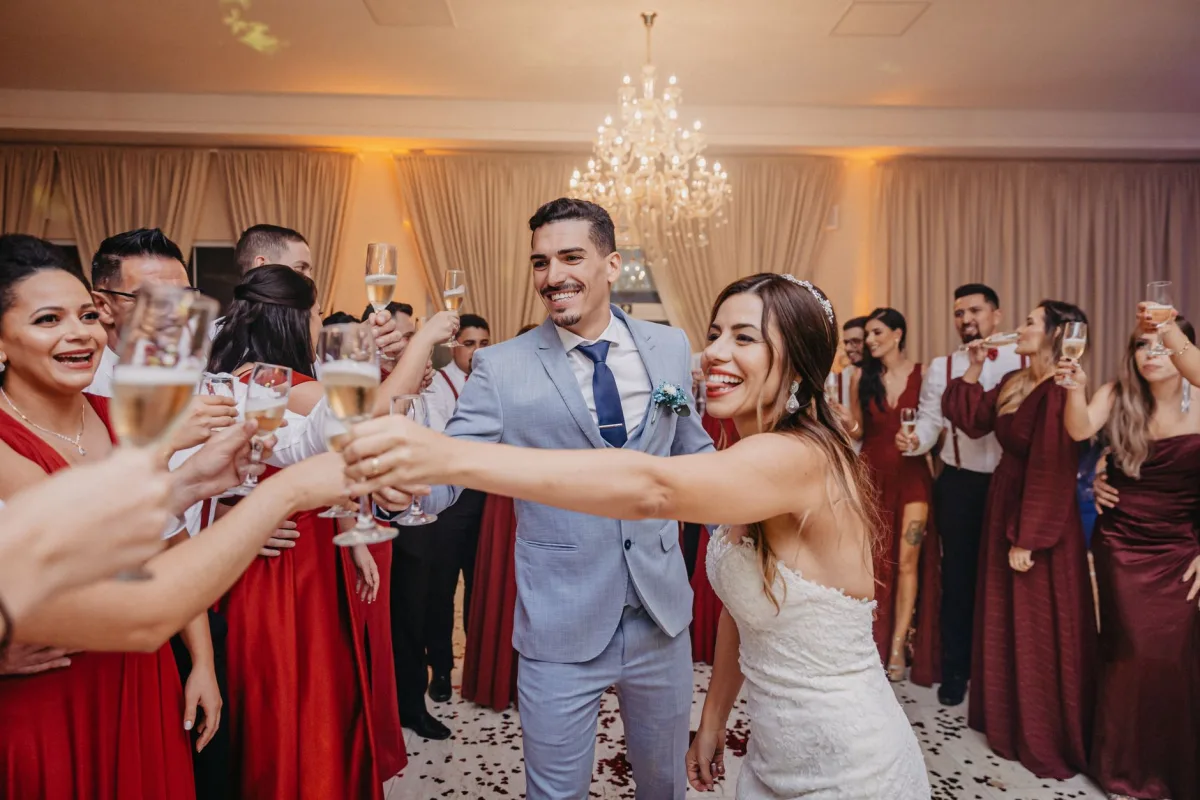
Their duties fall into three broad phases. Before the day, they help plan, host the pre-wedding events and rally the guests. On the morning, they get ready alongside the couple, manage timing and calm nerves. During the celebration, they give speeches, keep the schedule moving and act as the couple's eyes and hands so the two people at the centre can simply be present. A wedding party that understands this rhythm is worth more than any decoration.
How to choose your wedding party
This is where couples cause themselves the most stress, because the choice is emotional and public. A few principles keep it sane and keep friendships intact.
- Choose for temperament, not obligation. The friend who stays calm in chaos is worth more on the day than the one you feel you "have to" ask. You are picking a crew, not repaying social debts.
- Keep the group as small as it needs to be. A larger party means more schedules, more outfits and more opinions. Two steady people can outperform eight distracted ones.
- Match the role to the person. Give the organiser the coordinating role and the warm one the reassuring role. Do not force a nervous public speaker into a speech.
- Ask clearly and early. Explain the time, cost and duties when you ask, so nobody says yes and then feels ambushed later.
- It is fine to break the mould. Mixed-gender parties, a "best woman," a friend of honour, uneven sides: all normal. The structure serves you, not the other way round.
Costs and etiquette
Money is the quiet fault line in most wedding parties, so name it early. Traditionally attendants pay for their own outfits and travel and contribute to the pre-wedding events, while the couple covers gifts and sometimes hair and makeup. None of that is fixed, and the kind approach is simply to be explicit about who pays for what before anyone commits.
Outfits
Usually the attendant's own cost. If you require a specific expensive dress or suit, consider covering some or all of it, and be honest about the price when you ask.
Travel and stay
Normally the attendant's responsibility, but for a destination wedding the couple often helps. State your expectation up front so nobody overcommits.
Pre-wedding events
The stag, hen or shower is typically shared among the party. Keep it within reach of the least wealthy member; nobody should go into debt to celebrate you.
Thank-you gifts
The couple's job. A thoughtful gift, however small, acknowledges the real time and money attendants give. Sincerity matters more than expense.
Modern wedding parties
The wedding party is loosening its old rules faster than almost any other part of a wedding. Couples increasingly build the group that fits their lives rather than the one etiquette books describe, and the results are warmer for it.
- Mixed and flexible sides. A bride with a brother she is closest to, a groom with a best friend who is a woman: both stand where they belong, regardless of which "side" tradition assigns.
- Smaller and more meaningful. Many couples now choose two or three genuinely close people over a large symmetrical line-up.
- Clearer, kinder asks. Being upfront about time and cost when inviting someone is increasingly seen as basic courtesy, not oversharing.
- Shared costs by design. More parties openly plan events to a budget the whole group can afford, rather than assuming everyone can match the biggest spender.
For how the wedding party fits into the wider structure of the day, from ceremony to reception, our overview of the wedding itself is the natural companion read, and our guide to being a gracious wedding guest covers the wider circle around the party.
The bottom line
The wedding party is not scenery; it is the human infrastructure of the day. Choose people for how steady they are, keep the group only as large as it needs to be, match roles to temperaments, and be honest about time and money from the first ask. Do that, and you gain a crew who quietly absorb the hundred small problems of the day so the two of you can simply enjoy it.
Frequently asked questions
What is the difference between the wedding party as people and as an event?
The phrase does both jobs. As people, the wedding party is the group of attendants, maid of honour, best man, bridesmaids, groomsmen and others, who stand with the couple and support the day. As an event, "wedding party" loosely means the celebration or reception. This guide covers the people, because that is the part you actually have to choose and brief.
How many people should be in the wedding party?
There is no correct number. Small weddings may have one attendant each; large ones may have six or more per side. Choose only as many as you genuinely need and can coordinate, because every extra member adds outfits, schedules and opinions. Two steady, reliable people often serve you better than a large but distracted group.
Who pays for the wedding party's outfits?
Traditionally the attendants pay for their own outfits and travel, while the couple covers thank-you gifts and sometimes hair and makeup. None of this is fixed. If you require a specific, expensive outfit, it is gracious to cover some of the cost, and it is always kind to be explicit about who pays for what before anyone commits.
Can the wedding party be mixed gender?
Absolutely, and it increasingly is. A bride can have a man of honour or a brother by her side, and a groom can have a best woman. The sides do not need to be equal in size or split by gender. The old structure exists to get certain jobs done, so arrange the people you trust in whatever shape fits your relationships.
How do I choose who to include without causing hurt?
Choose for temperament and genuine closeness rather than obligation, keep the group small, and be warm but honest when you explain why the party is the size it is. You can involve people you love in other roles, such as readings or hosting an event, without making everyone an attendant. Clear, kind communication prevents most hurt feelings.