Bridal Shops Near Me: How to Choose the Right One (2026 Local Guide)
A practical framework for choosing a local bridal shop: the criteria that matter, how to read reviews, the questions to ask, and the red flags to watch.
Searching for "bridal shops near me" is often the moment wedding planning turns from dreaming to doing. Suddenly there is a map full of pins, a stack of reviews, and no obvious way to tell which shop will actually give you a calm, well-fitted, on-budget experience and which will not. This guide is a practical framework for choosing well, wherever you live. Rather than name businesses we cannot vouch for, it hands you the criteria, the questions and the red flags, so you can walk into any local shop and judge it for yourself with confidence.
The short version
- Judge shops on fit, not just frontage: selection, alteration service, timelines and reviews matter more than the window display.
- Book appointments, do not just walk in. Good bridal shops run on consultations, and the best dates fill early.
- Ask about total cost up front: the gown price is rarely the final price once alterations and extras are added.
- Trust the room, not just the racks. How a shop treats you on a first visit is how it will treat you under deadline pressure.
Start by knowing what you are looking for
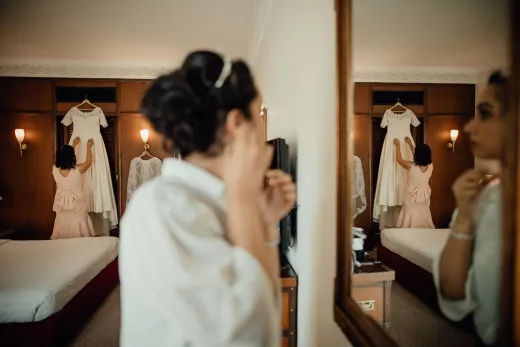
Before you compare shops, it helps to be clear about the thing they sell. A wedding dress is a significant, often made-to-order purchase with a long lead time, not an off-the-rack impulse buy, and that single fact shapes everything about how to shop for one. It means the right store is less a shop and more a service: somewhere that stocks styles you like, fits them to your body, and guides you through a process that can run for many months. The bride at the centre of it deserves a place that treats the purchase as the milestone it is.
So when you type "bridal shops near me," you are really looking for a match on four fronts at once: the styles they carry, the budget they serve, the service they provide, and the way they make you feel in the room. A shop can be flawless on the first three and wrong for you on the fourth. Keep all four in view and the shortlist sorts itself out quickly. If you have not yet pinned down the look you are after, our broader guide to all things bridal is the place to start before you set foot in a store.
The criteria that actually matter
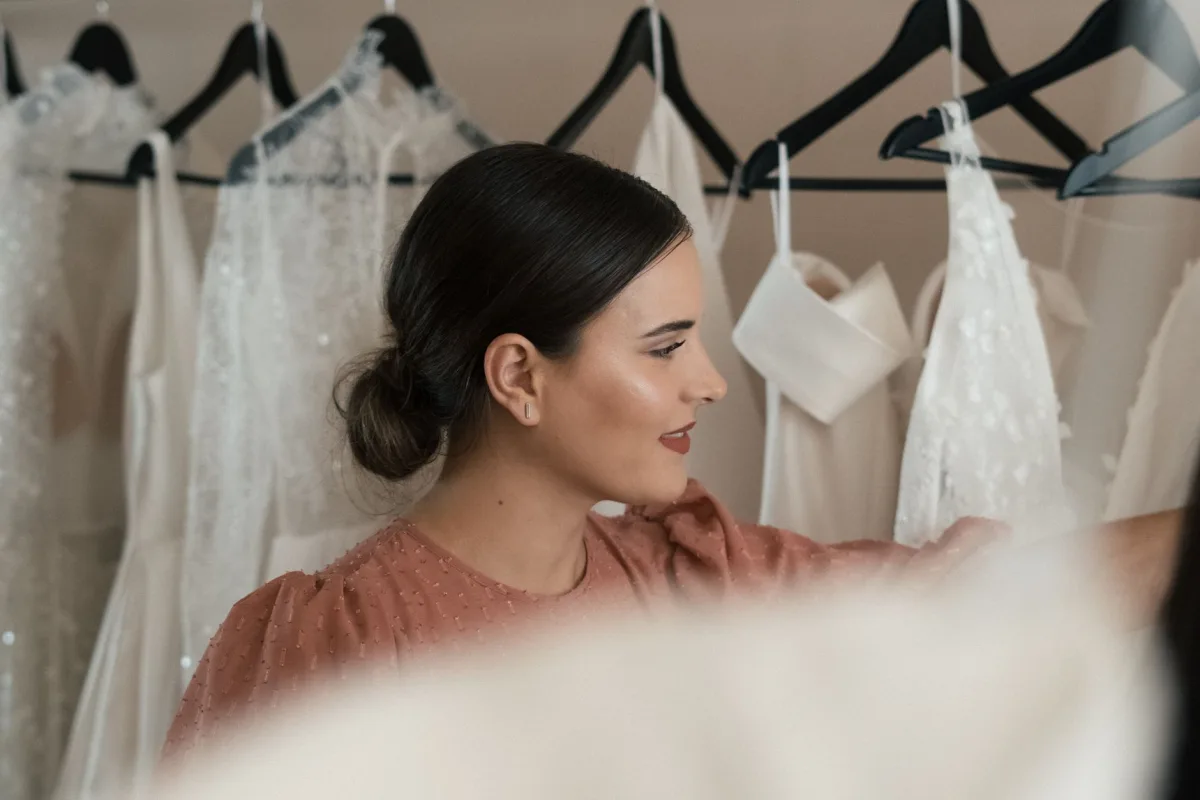
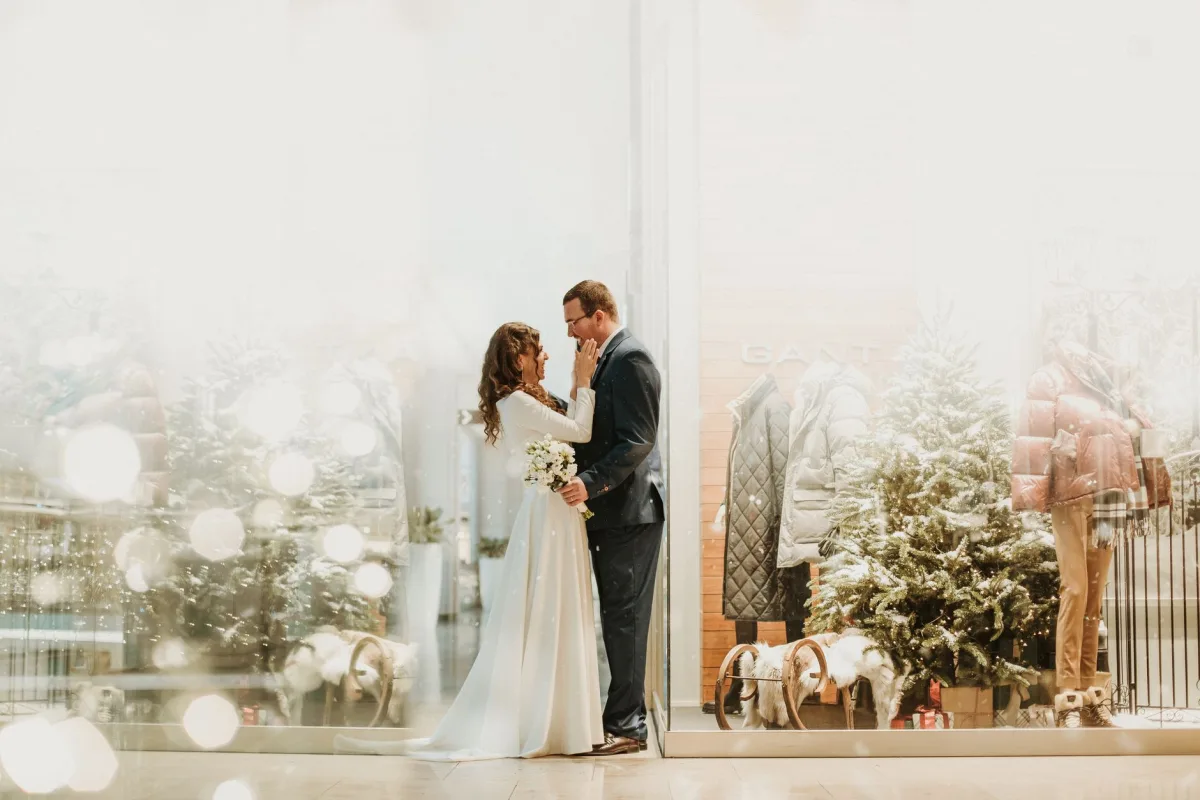
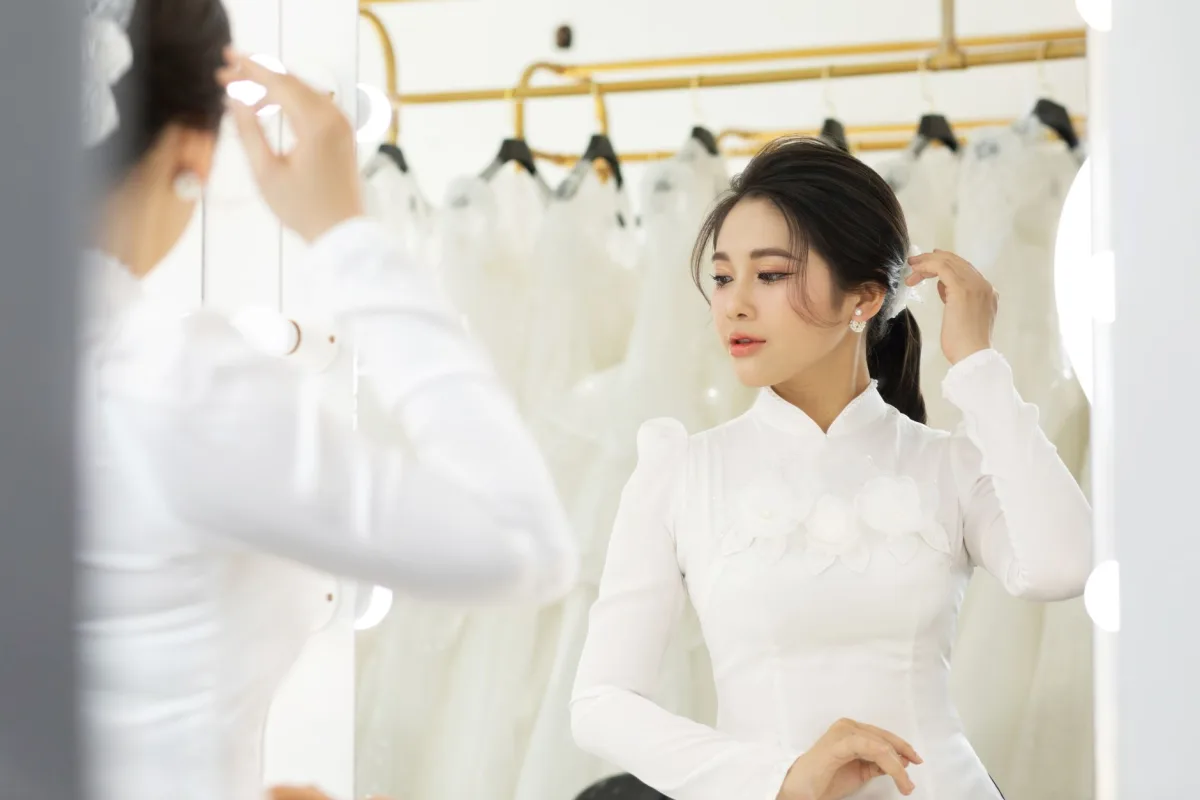
Local search will hand you a dozen options. These are the factors worth weighing them against, in rough order of importance for most brides.
Selection and specialism
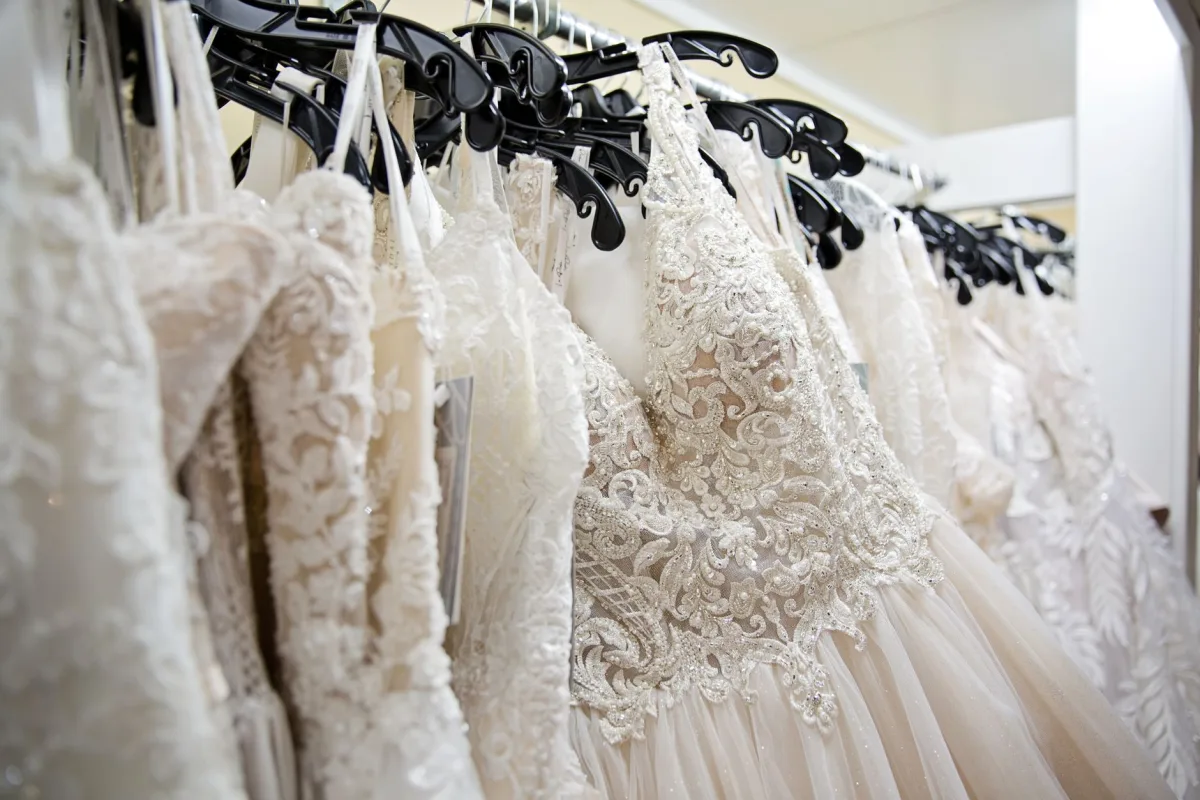
Does the shop carry the style, size range and price band you actually want? A boutique that specialises in your aesthetic beats a huge showroom that does not.
In-house alterations
Almost every gown needs altering. A shop with a skilled in-house seamstress, or a trusted partner, removes one of the biggest sources of stress and cost surprises.
Timelines and stock
Made-to-order gowns can take many months. Ask their lead times against your date, and whether off-the-rack or rush options exist if your date is close.
Reputation
Read recent reviews for patterns, not one-offs. Repeated praise for the fitting experience, or repeated complaints about delays, tells you more than a star average.
Transparent pricing
The best shops are open about the gown price and the likely cost of alterations and accessories, so the final figure holds no nasty surprises.
The experience
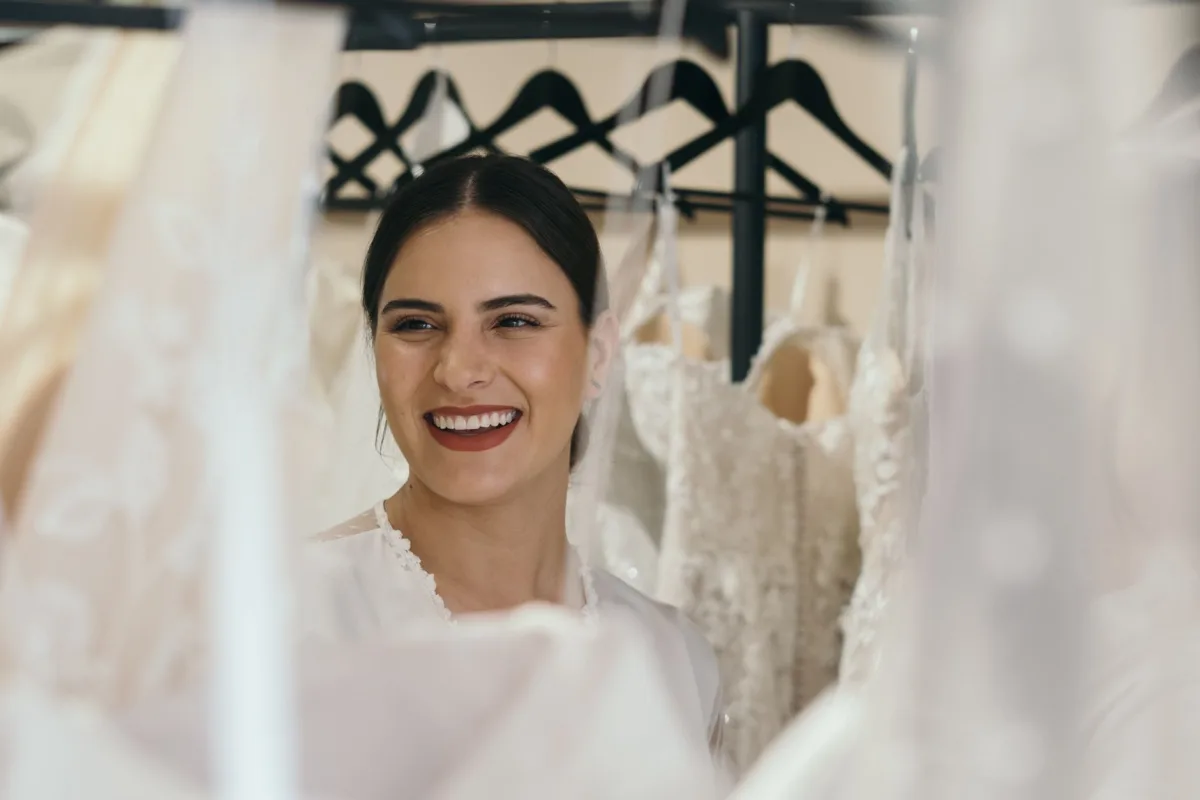
Attentive, unhurried, pressure-free service. You are trusting these people with an emotional purchase and a hard deadline; the vibe is not a luxury, it is data.
Read local reviews the right way
Reviews are the single most useful tool a local search gives you, but only if you read them well. A four-and-a-half star average tells you very little on its own. What tells you a great deal is the pattern in the words. Skim for the same praise or the same complaint appearing again and again, because a recurring theme is far more reliable than any single glowing or furious review.
Weight recent reviews more heavily than old ones, since ownership, staff and standards change. Pay special attention to how a shop responds to criticism: a calm, constructive reply to a complaint often says more about how they will treat you when something goes wrong than a wall of five-star ratings. And read specifically for the moments that matter to you, whether that is alterations, plus-size or petite fitting, cultural or modest styles, or handling of a tight timeline. General warmth is nice; evidence about your specific need is better.
Questions to ask before you commit
A first appointment is a two-way interview. Bring these questions, because the answers separate a shop that will look after you from one that will simply sell to you.
What is the full timeline?
From ordering to final fitting, how long, and does that comfortably clear my wedding date with room to spare?
What will alterations cost?
Roughly what should I budget on top of the gown, and are alterations done in-house or referred out?
What is the deposit and refund policy?
How much is due up front, and what happens if plans change? Get this in writing before you sign.
How many appointments are included?
How many fittings come with the purchase, and what happens if more are needed closer to the day?
How many guests can I bring?
Some shops limit your party or have busy weekends. Knowing this shapes who you invite to the fitting.
What if the gown arrives late or wrong?
Ask how they handle a delayed or flawed delivery. A confident, specific answer is reassuring; a vague one is a warning.
Red flags to watch for
Most bridal shops are honest and want your day to go well. A few warning signs, though, are worth taking seriously, because they tend to predict trouble later. High-pressure selling is the clearest: if you are being pushed to sign today, or made to feel guilty for wanting to think it over, walk out. A dress you are excited about will still be available after a night's sleep, and a shop confident in its service does not need to rush you.
Be wary, too, of vagueness about money and time. A shop that will not give you a straight answer on total likely cost, alteration fees, or realistic timelines is either disorganised or hoping you will not notice until it is too late. Watch for pressure to buy accessories you do not want, deposits with no clear refund terms, and a general reluctance to put promises in writing. And trust your read of the room: dismissive, hurried or condescending treatment on a first visit rarely improves once they have your deposit and your deadline.
Fit it into the bigger picture
Choosing a bridal shop does not happen in isolation; it sits inside the wider machinery of planning a wedding, and timing it well makes everything downstream easier. Because gowns can take many months to order and fit, the dress hunt should begin relatively early, well before the smaller decisions crowd in. Slotting it into your overall schedule keeps you from the panic of a rushed order, and our wedding planning checklist shows exactly where the dress search belongs in the sequence.
It also helps to think of the shop as one stop among several. Beyond the gown itself there are accessories, and often outfits for the wider party and the guests, which is a whole subject in its own right, covered in our guide to wedding guest gowns. Some brides prefer to browse a range of shops in one trip, and our overview of wedding stores near you takes the same local-first approach as this guide, applied to the wider haul. If you are also outfitting your attendants, our piece on bridesmaids covers how to coordinate their looks without derailing your own.
The bottom line
A search for "bridal shops near me" returns a map; this framework returns a decision. The shop worth your money is the one that matches your style, serves your budget, holds a realistic timeline, and treats you well on the very first visit. Read reviews for patterns, come to appointments with your questions ready, and take pressure, vagueness or poor treatment as your cue to leave. Do that, and the store you choose will not just sell you a dress; it will make one of the most photographed decisions of the whole wedding feel calm, personal and genuinely yours.
Frequently asked questions
How far in advance should I visit bridal shops?
Start early. Because many wedding gowns are made to order and can take several months to arrive, and then need alterations on top, it is wise to begin visiting shops well ahead of your date, commonly the better part of a year out for a formal wedding. Starting early gives you time to browse without pressure, order comfortably within the shop's lead times, and complete fittings with room to spare. If your date is close, ask specifically about off-the-rack or rush options.
How do I compare local bridal shops?
Weigh them on four things at once: the selection and style they carry, whether they serve your budget, the service they offer including in-house alterations and realistic timelines, and how they make you feel in the room. Read recent reviews for recurring patterns rather than a single star average, and note how each shop responds to criticism. The right shop matches your aesthetic and price band while also treating you with unhurried, transparent care.
What questions should I ask a bridal shop?
Ask about the full timeline from order to final fitting and whether it clears your date, the likely cost of alterations and whether they are done in-house, the deposit and refund policy in writing, how many fitting appointments are included, how many guests you can bring, and what happens if the gown arrives late or wrong. Clear, specific answers signal a shop that will look after you; vague ones are a warning sign.
What are the warning signs of a bad bridal shop?
The clearest red flag is high-pressure selling: being pushed to sign immediately or made to feel guilty for wanting to think. Others include vagueness about total cost, alteration fees or timelines, pressure to buy accessories you do not want, deposits with unclear refund terms, reluctance to put promises in writing, and dismissive or hurried treatment on your first visit. How a shop treats you before you pay is usually how it will treat you under deadline pressure later.
Do bridal shops charge for alterations separately?
Usually, yes. The gown price and the cost of alterations are often separate, and almost every wedding dress needs some altering to fit properly. A good shop will be upfront about roughly what to budget for alterations and whether they are handled by an in-house seamstress or referred to a partner. Always ask so the final figure holds no surprises, and factor alteration costs into your dress budget from the start rather than treating the sticker price as the total.