Tiffany Wedding Rings: The Complete Guide
The house's history, the Tiffany Setting, and what the premium really buys: how to judge a luxury ring on the same fundamentals you would apply anywhere.
Tiffany is shorthand for a certain idea of the wedding ring: a clean solitaire in a robin's-egg-blue box, a name that carries more than a century and a half of history. Whether that history justifies its price is a fair question, and this guide answers it honestly. It explains what Tiffany actually is, why the house is woven into the story of the modern engagement ring, and how to judge one of its rings on the same fundamentals you would apply anywhere, so you buy on substance and not only on the box.
The short version
- Tiffany is a historic luxury house. Founded in 1837, it shaped the modern engagement ring with the six-prong Tiffany Setting in 1886.
- You pay for brand and craft. A premium buys design, service and prestige on top of the metal and stone.
- Judge the ring on fundamentals. Metal, and the diamond's cut, colour, clarity and carat, drive real value at any house.
- Decide what you value. A luxury name is worth it to some couples and not to others; both choices are valid.
What Tiffany is, and why the name carries weight
Tiffany & Co. is an American luxury jewellery house founded in 1837 by Charles Lewis Tiffany. Over the following decades it became one of the most recognised names in fine jewellery in the world, as much a cultural symbol as a retailer, from its association with a signature shade of blue to its place in film and literature. When people say "a Tiffany ring," they are invoking that whole aura, not just a product.
That reputation is genuinely earned in one respect that matters for weddings: the house has a real place in the history of the ring you are shopping for. In 1886 Tiffany introduced what became known as the Tiffany Setting, a solitaire diamond raised on six slender prongs above the band so that light could reach the stone from all sides. That design is widely credited with shaping the modern engagement ring, and versions of it are now sold by jewellers everywhere. Buying from Tiffany is, in part, buying from the source of an idea.
What you are paying for at a luxury house
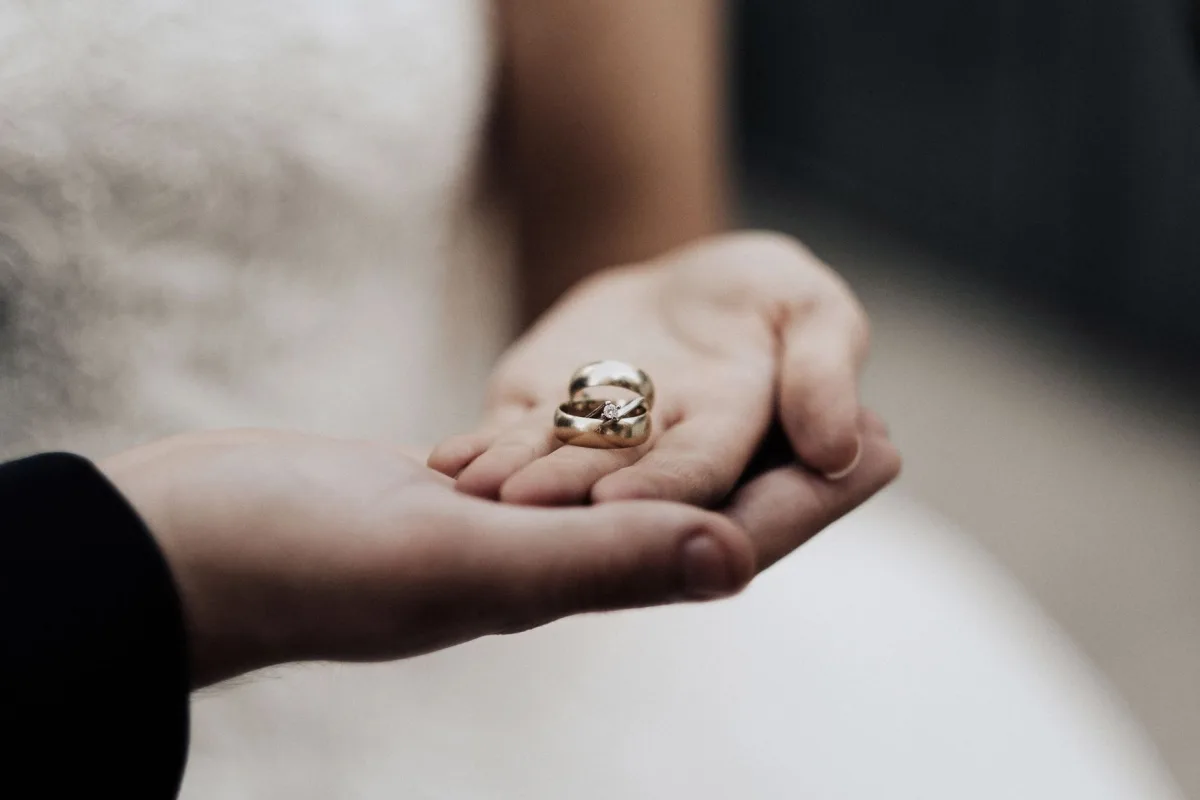
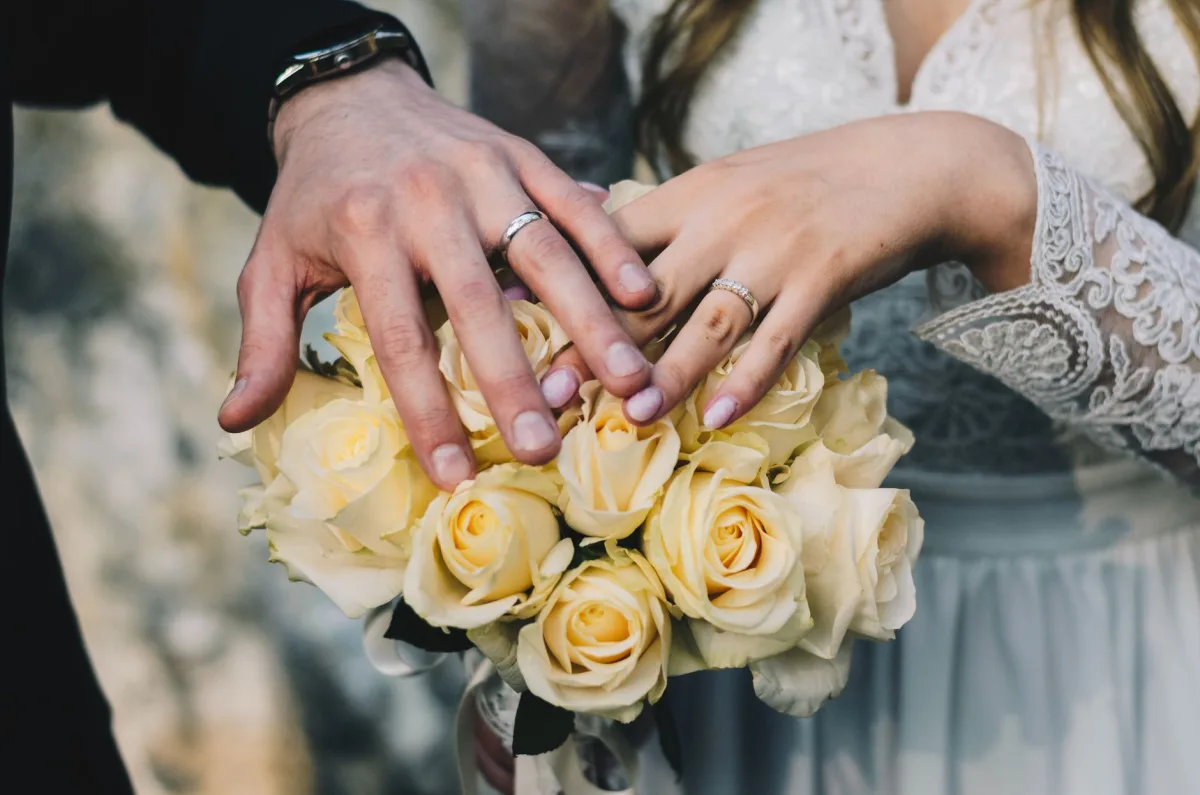

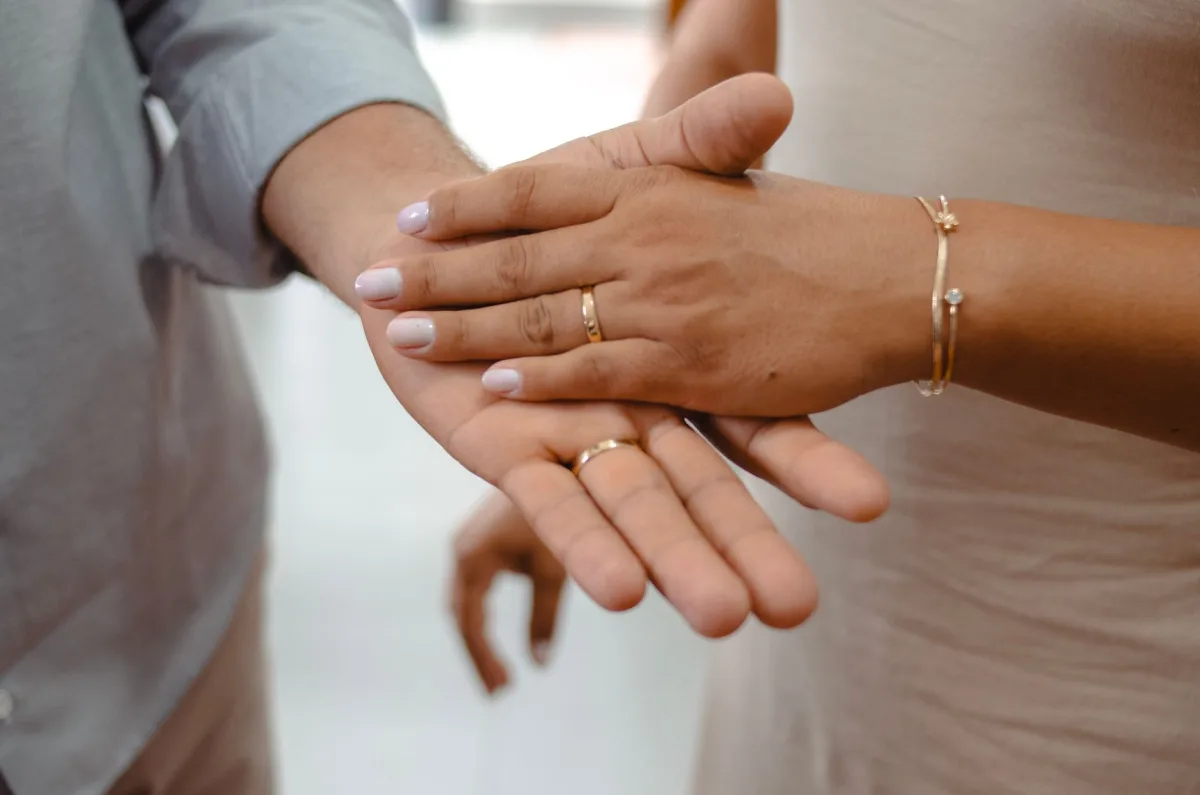
A Tiffany ring costs more than a comparable ring from a mainstream jeweller, and it is worth being clear about what that premium buys, because some of it is real value and some of it is prestige. Both are legitimate; you simply want to know which is which before you decide.
Craft and design
A heritage house employs its own designers and setters and holds tight standards. You are paying for finish, consistency and often exclusive designs.
The stone and metal
The intrinsic value: a graded diamond and a precious metal such as platinum. This part you can and should compare like for like.
Service and provenance
In-house grading, sourcing standards, cleaning, resizing and a documented history. A luxury house sells reassurance as part of the ring.
Brand and experience
The name, the box, the store and the story. Real to many buyers, but the part of the price that reflects prestige rather than physics.
Here is the honest bottom line on price. The metal and the stone are objective: a platinum band and a diamond of a given cut, colour, clarity and carat have a value you can compare across any retailer. The craft, service and brand are subjective: worth a premium to some couples and not to others. A Tiffany ring is not "overpriced" if you value what the premium buys; it is simply a different proposition from a like-for-like ring elsewhere. If you want to anchor yourself in the fundamentals first, our overview of wedding rings covers the metals and terms that apply everywhere.
Judging the ring itself
Whatever the name on the box, a wedding or engagement ring is judged on the same handful of things, and keeping your eye on them protects you from buying on aura alone. For a diamond, the four Cs decide most of the value: cut, which governs how brilliantly the stone returns light and is arguably the most important; colour, graded from colourless downward; clarity, the presence of tiny internal marks; and carat, the weight. A well-cut smaller stone often outshines a larger, poorly cut one.
For the metal, confirm exactly what it is, platinum, or gold of a stated karat and colour, since that drives both durability and cost. And for any significant stone, ask about grading documentation so the quality is verified rather than asserted. A luxury house will have its own rigorous standards, but you should still understand what the stone is graded at, because that grade is what you are actually paying for beneath the brand. Our guide to platinum wedding rings explains why that metal so often features in fine bridal jewellery.
Is a Tiffany ring worth it?
The honest answer is that it depends on what you weigh most, and neither answer is wrong. A Tiffany ring is worth it if you value heritage, design, service and the meaning the name carries, and if the premium sits comfortably within your budget. It is less worth it if your priority is the maximum stone and metal for your money, in which case an independent jeweller or a well-chosen online seller can give you more carat and quality per pound spent.
A useful way to decide is to separate the emotional from the financial. If part of the ring's meaning for you is genuinely tied to the house and its story, that value is real and personal, and no spreadsheet overrides it. If, on reflection, what you want is simply a beautiful ring at the best value, then compare on specification and let the box follow the stone rather than lead it. For couples working to a firmer budget, our guide to affordable wedding rings shows where savings are safe.
How it fits the wider ring decision
A wedding ring rarely stands alone. If you are buying an engagement ring and a wedding band that will sit against it, think about how the two nest together, especially with a raised solitaire setting that a flat band has to sit beneath. If you are buying as a couple, our guide to his and hers wedding rings covers how to coordinate a matched pair, and for a partner who wants something plainer and hard-wearing, men's wedding bands covers the practical choices.
Finally, keep the ring in proportion to the marriage. A famous name on the box is a lovely thing, but the ring is a symbol of a relationship, not a scoreboard. Services like Matrimony360 exist for the part that matters most, helping people find the person the ring is for. Choose the ring that fits your feelings and your finances, from whatever house those two agree on.
The bottom line
Tiffany is a genuine landmark in the history of the wedding ring, the house that gave the world the six-prong solitaire and a name that carries real cultural weight. Its rings command a premium that buys craft, service and prestige on top of the metal and stone. Whether that premium is worth it is a personal call, not a universal one. Judge any Tiffany ring on the same fundamentals you would apply anywhere, the metal and the diamond's four Cs, decide honestly how much the name means to you, and buy the ring that your heart and your budget both agree on.
Frequently asked questions
What makes Tiffany rings special?
Tiffany is a luxury house founded in 1837 with a real place in ring history: in 1886 it introduced the Tiffany Setting, a solitaire raised on six prongs that helped shape the modern engagement ring. Beyond that heritage, the premium reflects design, craftsmanship, service and brand prestige layered on top of the intrinsic value of the metal and stone.
Why are Tiffany rings so expensive?
Part of the price is intrinsic, the graded diamond and precious metal, and part is the premium for craft, in-house standards, service and the brand itself. The metal and stone can be compared like for like against any retailer; the craft and name are subjective value, worth the premium to some buyers and not to others. Knowing which is which helps you decide.
What is the Tiffany Setting?
It is a solitaire engagement ring design introduced by Tiffany in 1886, in which a single diamond is raised above the band on six slender prongs so light can reach the stone from all sides. It is widely credited with defining the modern engagement ring, and similar six-prong solitaires are now sold by jewellers everywhere.
How do I judge a Tiffany diamond ring?
Use the same fundamentals as anywhere: the four Cs of the diamond, cut, colour, clarity and carat, with cut arguably mattering most for brilliance, plus the exact metal and its purity. Ask about the stone's grading so quality is verified rather than assumed. A well-cut smaller stone often looks better than a larger, poorly cut one.
Is a Tiffany ring worth it compared to other jewellers?
It depends on what you value. If heritage, design and service matter to you and the premium fits your budget, it can be worth it. If your priority is the most stone and metal for your money, an independent jeweller or a reputable online seller may offer more per pound spent. Compare on specification, then decide how much the name means to you.